Swollen ankles, a common and often uncomfortable condition, can significantly impact your daily life, making simple tasks like walking or standing a challenge. If you’ve ever experienced persistent puffiness around your ankles, you know the frustration. Fortunately, compression ankle socks offer a straightforward and effective solution, providing targeted support to alleviate discomfort and improve circulation. This comprehensive guide will delve into everything you need to know about compression ankle socks, from how they work to choosing the perfect pair for lasting relief.
What Are Compression Socks?
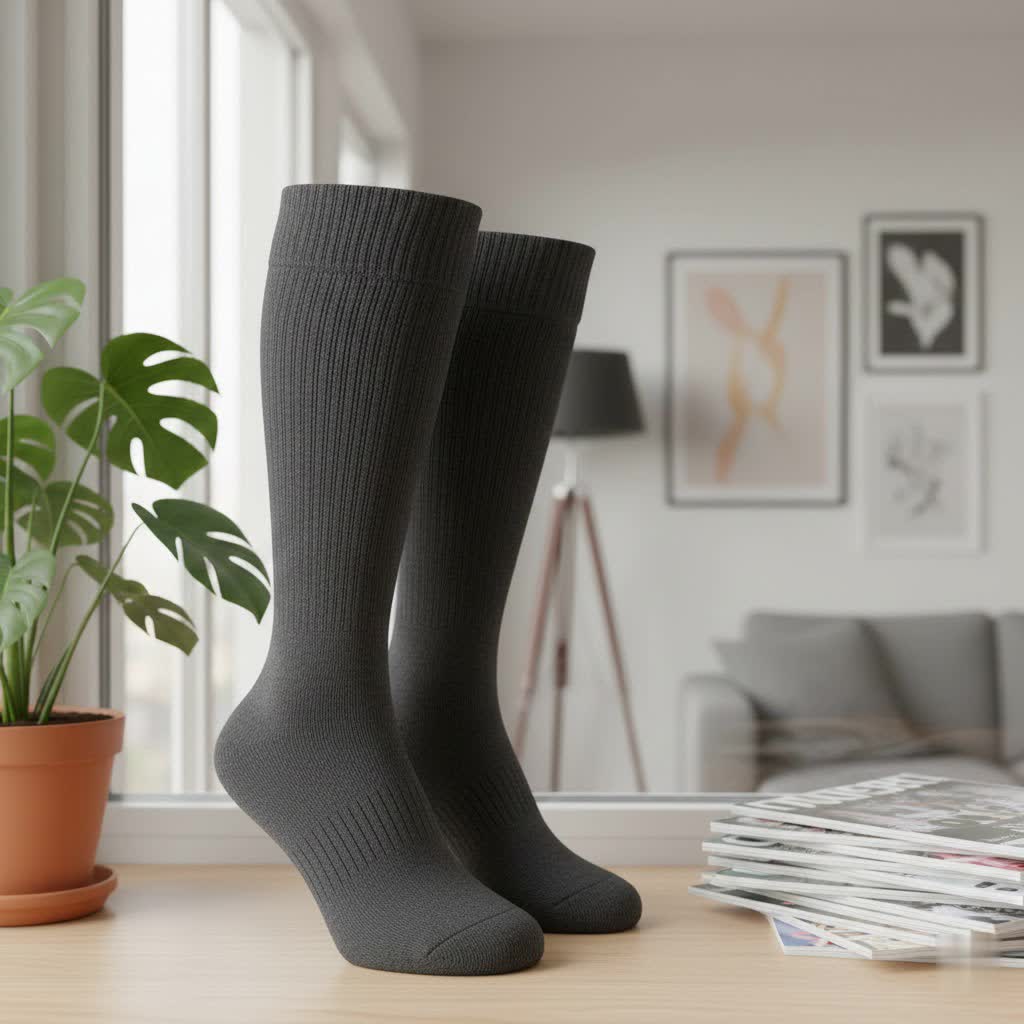
Compression socks are specially designed hosiery that apply gentle pressure to your legs and ankles. This therapeutic pressure helps to manage and prevent swelling by promoting healthy blood flow and reducing fluid accumulation in the tissues. Unlike regular socks, compression socks are engineered to exert graduated pressure, meaning the compression is strongest at the ankle and gradually decreases as it moves up the leg. This design effectively encourages blood to flow back towards the heart, preventing pooling in the lower extremities.
Benefits of Compression Socks
The advantages of incorporating compression ankle socks into your routine extend beyond mere comfort. They play a vital role in supporting overall leg health and significantly reducing the symptoms associated with swelling.
- Improved Blood Circulation: By gently squeezing the veins, compression socks enhance blood flow, helping oxygen-rich blood reach muscles and tissues more efficiently while facilitating the return of deoxygenated blood to the heart. This improved circulation can prevent feelings of heaviness and fatigue in the legs and feet.
- Reduced Swelling and Inflammation: The primary benefit for swollen ankles, compression socks prevent excess fluid from leaking out of capillaries and building up in the surrounding tissues. This constant, gentle pressure effectively reduces puffiness and inflammation.
- Support for Venous Issues: For individuals with conditions like varicose veins or chronic venous insufficiency, compression socks provide external support to weakened vein walls, helping them function more effectively and preventing further progression of these conditions.
- Alleviation of Pain and Discomfort: The consistent pressure helps to ease the aching and throbbing sensations often associated with swollen ankles, providing significant relief and improving overall comfort.
- Aids in Post-Activity Recovery: Athletes and active individuals often use compression socks to reduce muscle soreness and inflammation after intense workouts. By improving blood flow, they help clear metabolic waste products and deliver essential nutrients for faster recovery.
- Enhanced Stability and Support for Injuries: For those recovering from ankle sprains or other injuries, compression socks can offer additional stability to the joint, helping to prevent further injury and reduce swelling during the healing process.
Who Should Use Compression Socks?
Compression ankle socks are beneficial for a diverse range of individuals, addressing various causes of swelling and discomfort.
- Individuals Who Stand or Sit for Long Periods: Professions requiring prolonged standing (nurses, retail workers, teachers) or sitting (office workers, drivers) can lead to fluid pooling in the ankles. Compression socks help counteract the effects of gravity.
- Athletes and Active Individuals: From runners to hikers, anyone engaging in strenuous activity can benefit from compression socks for performance enhancement and accelerated recovery.
- Pregnant Women: Pregnancy often brings hormonal changes and increased blood volume, leading to swollen feet and ankles. Compression socks can provide much-needed relief and support.
- Individuals with Circulatory Issues: Those with conditions like edema, lymphedema, or early-stage varicose veins can find significant relief and management through the consistent use of compression therapy. Always consult a healthcare professional for guidance on appropriate compression levels if you have an underlying medical condition.
- Long-Distance Travelers: During long flights or car rides, inactivity can cause fluid retention. Wearing compression socks can prevent “economy class syndrome” and reduce swelling.
- Post-Surgery Recovery: After certain surgeries, compression socks can be recommended to minimize swelling and aid in the healing process.
Classifying Compression Socks
Understanding the different classifications of compression socks is crucial for choosing the right pair. They are typically categorized by their compression level, length, and material.
By Compression Level (mmHg)
Compression levels are measured in millimeters of mercury (mmHg), indicating the amount of pressure exerted.
- Mild Compression (8-15 mmHg): Ideal for everyday comfort, preventing minor fatigue, and light support during travel.
- Moderate Compression (15-20 mmHg): This is a common starting point for mild to moderate ankle swelling, long hours of standing or sitting, and post-exercise recovery.
- Firm Compression (20-30 mmHg): Recommended for more significant swelling, moderate varicose veins, and post-surgical recovery. A healthcare professional’s advice is often recommended for this level.
- Extra-Firm Compression (30-40 mmHg and higher): These medical-grade levels are typically prescribed by a doctor for severe conditions like chronic venous insufficiency, deep vein thrombosis, or severe lymphedema.
|
Our Picks for the Best Compression Socks in 2026
As an Amazon Associate I earn from qualifying purchases.
|
||
| Num | Product | Action |
|---|---|---|
| 1 | FITRELL 3 Pairs Compression Socks for Women and Men 20-30mmHg-Circulation Support Socks |

|
| 2 | CHARMKING Compression Socks for Women & Men Circulation (3 Pairs) 15-20 mmHg is Best Support for Athletic Running Cycling |
|
| 3 | CHARMKING Compression Socks for Women & Men Circulation (3 Pairs) 15-20 mmHg is Best Support for Athletic Running Cycling |
|
| 4 | CHARMKING Compression Socks for Women & Men Circulation (3 Pairs) 15-20 mmHg is Best Support for Athletic Running Cycling |
|
| 5 | FITRELL 3 Pairs Compression Socks for Women and Men 20-30mmHg-Circulation Support Socks |
|
| 6 | MONFOOT Compression Socks for Men & Women, 15-20 mmHg (3 Pairs) - Best Circulation socks for Nurses, Athletic, Travel |
|
| 7 | FITRELL 3 Pairs Compression Socks for Women and Men 20-30mmHg-Circulation Support Socks |
|
| 8 | FITRELL 3 Pairs Compression Socks for Women and Men 20-30mmHg-Circulation Support Socks |
|
| 9 | CHARMKING Compression Socks for Women & Men Circulation (3 Pairs) 15-20 mmHg is Best Support for Athletic Running Cycling |
|
| 10 | CHARMKING Compression Socks for Women & Men Circulation (3 Pairs) 15-20 mmHg is Best Support for Athletic Running Cycling |
|
By Length
While this guide focuses on ankle compression socks, it’s worth noting other lengths:
- Ankle Socks: Provide targeted compression around the foot and ankle, often preferred for lightweight support and discretion.
- Knee-High Socks: Extend up to just below the knee, offering more comprehensive lower leg support.
- Thigh-High Socks and Pantyhose: Cover the entire leg or lower body, used for more extensive circulatory support.
By Material
The material of compression socks impacts comfort, breathability, and durability.
- Cotton: Comfortable, durable, and absorbent, good for everyday use.
- Nylon/Spandex Blends: Offer excellent stretch, maintain compression, are quick-drying, and durable, making them suitable for active lifestyles.
- Merino Wool/Bamboo: Known for being ultra-soft, breathable, naturally moisture-wicking, and hypoallergenic, ideal for all-day wear and sensitive skin.
Comparison of Compression Sock Types
| Type of Sock | Compression (mmHg) | Benefits | Best For | Key Features |
|---|---|---|---|---|
| Ankle | 15-20, 20-30 | Targeted swelling relief, discrete | Mild to moderate ankle swelling, everyday wear, light activity | Focused pressure at ankle, breathable, low-profile |
| Knee-High | 15-20, 20-30 | Comprehensive lower leg support, DVT prevention | General swelling, varicose veins, long travel, athletic recovery | Graduated compression from ankle to calf, often with reinforced areas |
| Athletic | 15-20, 20-30 | Performance, muscle support, faster recovery | Sports, intense workouts, post-exercise recovery | Moisture-wicking, reinforced, often with arch support |
| Medical-Grade | 30-40+ | Severe swelling, chronic conditions | Lymphedema, severe venous insufficiency, post-surgical (with prescription) | High, consistent compression, often custom-fitted, specific material blends |
Choosing the Right Compression Socks for Swollen Ankles (Buying Guide)
Selecting the ideal pair of compression ankle socks involves several considerations to ensure maximum effectiveness and comfort.
- Identify Your Purpose: Determine why you need compression socks. Is it for mild daily swelling, athletic recovery, or a specific medical condition? This will guide your choice of compression level and style.
- Accurate Measurement is Key: Proper sizing is paramount. Measure your ankle circumference at its narrowest point and your calf at its widest, ideally first thing in the morning before swelling occurs. Always refer to the brand’s specific sizing chart, as measurements can vary.
- Select the Appropriate Compression Level: For mild to moderate ankle swelling, 15-20 mmHg is a common recommendation. For more significant swelling, 20-30 mmHg may be required, often with a doctor’s consultation.
- Prioritize Material and Comfort: Look for breathable, moisture-wicking fabrics like bamboo, merino wool, or advanced synthetic blends to keep your feet dry and comfortable throughout the day.
- Ensure a Snug, Not Tight, Fit: The socks should feel supportive but never painfully constrictive or leave deep marks on your skin. If you experience discomfort, try a different size or compression level.
- Consider Toe Style: Most ankle compression socks are closed-toe. Open-toe options exist for those with sensitive toes or who prefer to wear sandals.
- Consult a Healthcare Professional: Especially if you have underlying medical conditions, severe swelling, or require higher compression levels, seeking advice from a doctor or lymphedema therapist is crucial.
- Invest in Quality: While it might be tempting to opt for cheaper options, investing in higher-quality compression socks often translates to better fit, consistent compression, greater durability, and superior comfort.
Top Picks: Evaluating Leading Compression Ankle Sock Brands
When it comes to effective compression ankle socks for swelling, certain brands consistently stand out for their quality, design, and therapeutic benefits.
- Rescue Legs: Highly regarded for their specialized design that accommodates swollen ankles and wide calves. They offer precise graduated compression (20-30 mmHg options) and feature Comfort Knit technology for easy application and all-day comfort with antimicrobial fibers.
- Sockwell: Known for using natural fibers like merino wool and bamboo, offering exceptional comfort and temperature regulation. They provide quality graduated compression (15-20 mmHg and 20-30 mmHg) suitable for mild to moderate swelling.
- Bombas: Praised for superior cushioning and seamless construction, often featuring their signature honeycomb arch support. While offering a range of compression levels (15-30 mmHg), they prioritize comfort and wearability.
- Physix Gear Sport: A popular choice for active individuals, offering 20-30 mmHg compression that aids in athletic recovery and helps with mild to moderate ankle puffiness. Their moisture-wicking fabric and cushioned construction are ideal for extended wear.
- Dr. Motion: An accessible and budget-friendly option, providing basic graduated compression for mild swelling and daily circulation support. They are comfortable for everyday wear and generally receive positive feedback for value.
“Properly fitted compression socks are a cornerstone in managing lower extremity swelling, providing a non-invasive yet highly effective way to improve venous return and reduce discomfort.” – Dr. Emily R. Thorne, Vascular Specialist
How to Use and Care for Compression Socks
To maximize the benefits and lifespan of your compression ankle socks, proper usage and care are essential.
- When to Wear: It is generally recommended to put on compression socks first thing in the morning, ideally before you get out of bed, when swelling is typically at its minimum. Wear them throughout the day to prevent fluid buildup.
- When to Remove: Take them off before going to bed or showering. Most experts advise against sleeping in elastic compression socks, as prolonged pressure without movement can potentially lead to pressure sores.
- Putting Them On: Compression socks are designed to be snug, making them tricky to put on. Techniques like turning them inside out halfway, gathering the material, and rolling them up your leg can help. Using donning aids or grip gloves can also make the process easier, especially for individuals with limited mobility.
- Washing and Drying: Always follow the manufacturer’s care instructions. Most compression socks should be hand-washed or machine-washed on a gentle cycle in cold water with a mild detergent and air-dried to maintain their elasticity and compression effectiveness. Avoid bleach, fabric softeners, and high heat drying, which can damage the fibers.
- Replacement: Compression socks lose their elasticity over time. It’s generally recommended to replace them every three to six months to ensure they continue to provide the intended therapeutic compression.
Conclusion
Compression ankle socks are a powerful and practical tool in the fight against swollen ankles, offering a blend of therapeutic benefits and everyday comfort. By understanding how they work, who can benefit, and how to choose and care for them, you can effectively manage discomfort, improve circulation, and enhance your overall leg health. Don’t let swollen ankles limit your life; embrace the relief that quality compression socks can provide. Are you ready to step into a world where comfort and well-being go hand-in-hand?
Frequently Asked Questions
Are ankle compression socks effective for swelling?
Yes, ankle compression socks are highly effective for reducing swelling. They apply graduated pressure that helps improve blood circulation, prevents fluid from pooling in the ankles, and reduces inflammation, leading to significant relief from puffiness and discomfort.
What compression level is best for ankle swelling?
For mild to moderate ankle swelling, a compression level of 15-20 mmHg is often recommended for daily wear and general relief. For more persistent or severe swelling, a firmer compression of 20-30 mmHg might be necessary, but it’s always best to consult a healthcare professional for personalized advice.
Can you wear compression ankle socks all day?
Yes, most mild to moderate compression ankle socks (8-20 mmHg) are designed for all-day wear. It is generally advised to put them on in the morning when swelling is minimal and remove them before bed. For higher compression levels or specific medical conditions, always follow your doctor’s recommendations.
How do you measure for compression ankle socks?
To ensure the correct fit, measure the narrowest part of your ankle circumference and the widest part of your calf circumference, ideally when your leg is not swollen, such as first thing in the morning. Compare these measurements to the brand’s specific sizing chart. A proper fit is crucial for effective compression and comfort.
