Do you often experience swollen ankles, heavy legs, or discomfort caused by fluid buildup? You’re not alone. Many people grapple with water retention, medically known as edema, a condition that can affect comfort, mobility, and overall well-being. The good news is that there’s a widely accessible and effective solution: compression socks. These specialized garments are designed to gently support your circulatory system, helping to manage fluid accumulation and bring much-needed relief to tired, swollen limbs.
What Are Compression Socks?
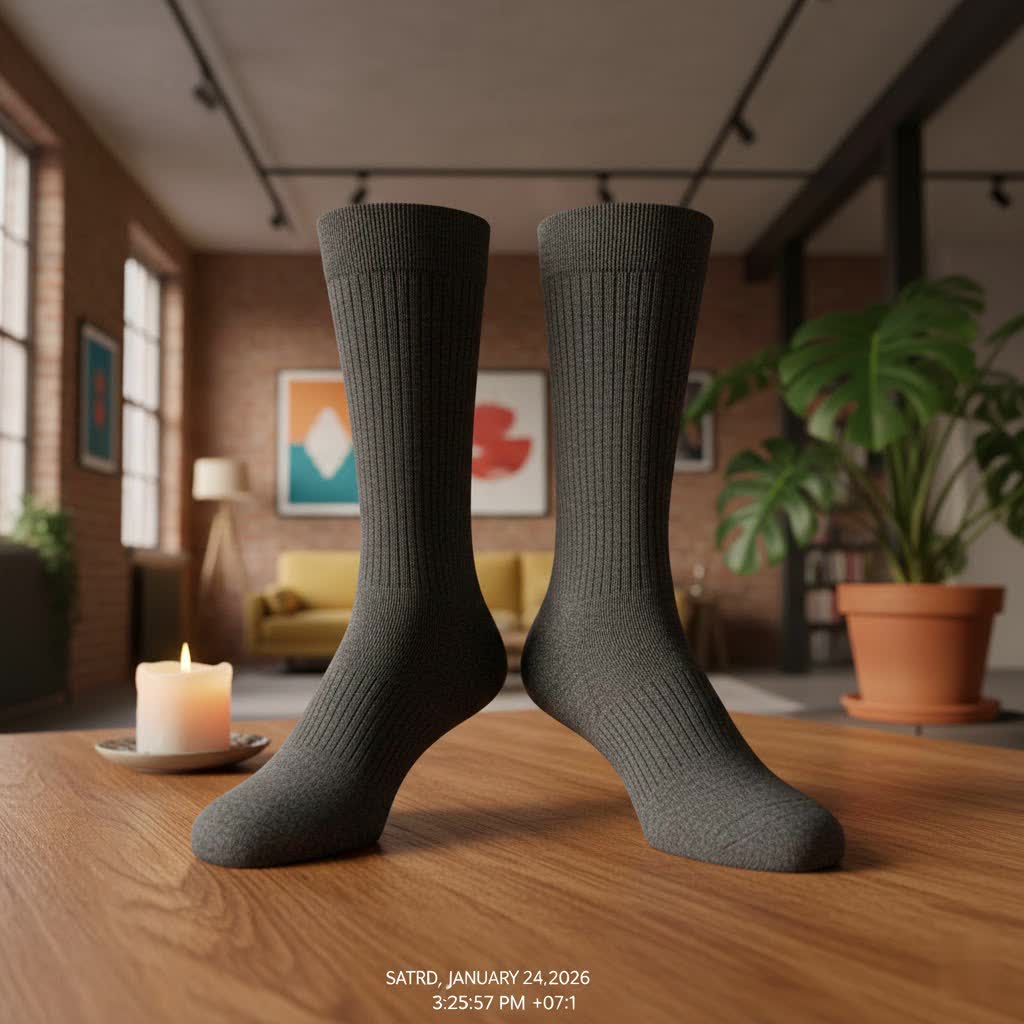
Compression socks are elastic garments specifically engineered to apply gentle, graduated pressure to your legs and ankles. This pressure is typically strongest at the ankle and gradually lessens as it extends up the leg. Their primary function is to support your veins and lymphatic system, promoting healthy blood flow back towards the heart and preventing fluid from pooling in the lower extremities. This mechanism helps to combat the discomfort and swelling associated with water retention. They essentially work by gently squeezing the veins, which narrows them and increases the speed of blood flow.
Benefits of Compression Socks for Water Retention
The advantages of incorporating compression socks into your daily routine, especially if you experience water retention, are numerous:
- Reduce Swelling and Fluid Accumulation: The most direct benefit, compression socks physically prevent excess fluid from collecting in the tissues of your feet, ankles, and lower legs. This graduated pressure aids in pushing accumulated fluid back into circulation.
- Improve Circulation: By supporting your vascular system, these socks make it easier for your body to pump blood against gravity back up to the heart. This enhanced blood flow delivers essential nutrients and oxygen more efficiently.
- Alleviate Discomfort: Swollen legs often feel heavy, tight, and uncomfortable. Compression socks provide a supportive embrace that can significantly reduce these sensations, allowing for greater comfort and mobility throughout the day.
- Assist Lymphatic Drainage: Beyond blood circulation, compression socks also facilitate the drainage of lymphatic fluid. The lymphatic system plays a crucial role in maintaining fluid balance, and the gentle pressure from the socks helps move this fluid, further reducing swelling.
- Prevent Blood Clots and Varicose Veins: Improved circulation and reduced pooling of blood can lower the risk of developing serious conditions like deep vein thrombosis (DVT) and may help prevent or manage varicose veins.
- Boost Energy and Reduce Fatigue: With better circulation and less swelling, your legs and feet can feel more energized, making it easier to stay active and tackle daily tasks without the burden of heavy, tired limbs.
Who Should Use Compression Socks for Water Retention?
Compression socks are a valuable tool for a diverse range of individuals experiencing or at risk of water retention:
- Individuals with Edema: Anyone experiencing swelling due to fluid buildup, whether from temporary causes or chronic conditions, can find relief. Edema can stem from pregnancy, medication side effects, high-salt diets, injuries, or underlying health issues like heart, kidney, or liver problems.
- People Who Stand or Sit for Long Periods: Professions requiring extended periods of immobility, such as healthcare workers, teachers, retail staff, or office workers, can benefit significantly from the circulatory support.
- Pregnant Women: Pregnancy often leads to increased body fluid and pressure on veins, causing swelling in the legs and feet. Compression socks are widely recommended by medical professionals to alleviate pregnancy-related edema.
- Athletes and Active Individuals: For post-exercise recovery, compression socks can reduce muscle soreness and aid in faster recuperation by improving blood flow and waste removal.
- Travelers: Long flights or car rides can restrict movement and slow circulation, increasing the risk of swelling and DVT. Compression socks help maintain healthy blood flow during extended travel.
- Individuals with Venous Issues: Those with venous insufficiency or a predisposition to varicose veins can use compression socks to support vein function and manage symptoms.
Types of Compression Socks
Compression socks are categorized primarily by their level of compression (measured in millimeters of mercury, mmHg), length, and material. Choosing the right type is crucial for optimal effectiveness and comfort.
By Degree of Compression (mmHg)
- Mild (8-15 mmHg): Offers light support, suitable for very minor swelling or general leg fatigue, though often less common for specific water retention management.
- Moderate (15-20 mmHg): This is a popular and versatile level, ideal for mild to moderate edema, daily wear, travel, and managing swelling during pregnancy. It provides noticeable support without being overly restrictive.
- Firm (20-30 mmHg): Recommended for moderate to severe swelling, significant varicose veins, and often prescribed for post-surgical recovery or more pronounced conditions. Pregnant women with more extreme swelling may also be prescribed this level.
- Extra Firm (30-40 mmHg): This is a medical-grade compression level, typically prescribed by a doctor for severe conditions like chronic venous insufficiency, lymphedema, or post-thrombotic syndrome.
|
Our Picks for the Best Compression Socks in 2026
As an Amazon Associate I earn from qualifying purchases.
|
||
| Num | Product | Action |
|---|---|---|
| 1 | FITRELL 3 Pairs Compression Socks for Women and Men 20-30mmHg-Circulation Support Socks |

|
| 2 | CHARMKING Compression Socks for Women & Men Circulation (3 Pairs) 15-20 mmHg is Best Support for Athletic Running Cycling |
|
| 3 | FITRELL 3 Pairs Compression Socks for Women and Men 20-30mmHg-Circulation Support Socks |
|
| 4 | FITRELL 3 Pairs Compression Socks for Women and Men 20-30mmHg-Circulation Support Socks |
|
| 5 | CHARMKING Compression Socks for Women & Men Circulation (3 Pairs) 15-20 mmHg is Best Support for Athletic Running Cycling |
|
| 6 | CHARMKING Compression Socks for Women & Men Circulation (3 Pairs) 15-20 mmHg is Best Support for Athletic Running Cycling |
|
| 7 | CHARMKING Compression Socks for Women & Men Circulation (3 Pairs) 15-20 mmHg is Best Support for Athletic Running Cycling |
|
| 8 | FITRELL 3 Pairs Compression Socks for Women and Men 20-30mmHg-Circulation Support Socks |
|
| 9 | MONFOOT Compression Socks for Men & Women, 15-20 mmHg (3 Pairs) - Best Circulation socks for Nurses, Athletic, Travel |
|
| 10 | CHARMKING Compression Socks for Women & Men Circulation (3 Pairs) 15-20 mmHg is Best Support for Athletic Running Cycling |
|
By Length
- Knee-High: The most common and often recommended length for addressing swelling in the feet, ankles, and calves. They are effective for most instances of leg edema.
- Thigh-High: Extend up the thigh and are used when swelling extends beyond the calf or for conditions like severe varicose veins in the upper leg.
- Pantyhose/Tights: Cover the entire leg and abdominal area, often chosen by pregnant women for comprehensive support or for conditions affecting the upper thighs.
By Material
Compression socks come in various fabrics, each offering distinct properties:
- Nylon/Spandex Blends: Common for their durability, stretch, and moisture-wicking capabilities, making them suitable for active use and everyday wear.
- Cotton: Known for its softness and breathability, offering comfort for sensitive skin.
- Merino Wool: Excellent for temperature regulation, moisture-wicking, and natural odor resistance, suitable for various climates.
- Bamboo: A soft, breathable, and naturally moisture-wicking material that is comfortable against the skin.
Comparison of Common Compression Sock Types for Water Retention
| Type of Sock | Compression (mmHg) | Length | Material | Advantages | Considerations |
|---|---|---|---|---|---|
| Daily Wear/Travel | 15-20 | Knee-high | Nylon/Spandex | Versatile, comfortable for long periods, good for mild swelling and prevention. | May not be sufficient for severe edema. |
| Pregnancy Support | 15-20, 20-30 | Knee-high | Bamboo/Cotton | Soft, breathable, reduces common pregnancy swelling, supports blood flow. | Higher compression may require doctor’s advice. |
| Medical/Therapeutic | 20-30, 30-40 | Knee-high/Thigh-high | Nylon/Spandex | Strong support for moderate to severe edema, venous issues, DVT prevention. | Often requires doctor’s prescription and precise fitting. |
| Athletic/Recovery | 15-20, 20-30 | Knee-high | Moisture-wicking blends | Enhances performance, aids muscle recovery, reduces post-exercise swelling. | Focuses on performance features; ensure comfort for daily edema. |
How to Choose the Right Compression Socks for Water Retention (Buying Guide)
Selecting the ideal compression socks involves several factors to ensure effectiveness and comfort:
- Identify Your Purpose: Are you preventing swelling during travel, managing daily mild edema, or addressing a specific medical condition? This will guide your compression level choice.
- Consult Your Doctor: For moderate to severe water retention (edema) or if you have underlying health conditions like diabetes, heart issues, or venous disease, always consult a healthcare professional. They can recommend the appropriate compression level (mmHg) and length.
- Accurate Measurement is Key: Compression socks need to fit precisely to be effective. Measure your ankle, calf, and sometimes thigh circumference, as well as leg length, typically in the morning when swelling is minimal. Each brand may have slightly different sizing charts.
- Choose the Right Compression Level:
- 15-20 mmHg: Good for mild swelling, tired legs, prolonged standing/sitting, and travel.
- 20-30 mmHg: For moderate to severe swelling, varicose veins, and more significant fluid retention. Often recommended by doctors.
- 30-40 mmHg: For severe conditions, always under medical guidance.
- Consider Material and Comfort: Look for breathable, moisture-wicking fabrics that feel comfortable against your skin. Seamless designs can prevent irritation, especially for prolonged wear.
- Ease of Application: Compression socks, especially higher compression levels, can be challenging to put on. Consider features like open toes or donning aids if you have difficulty.
Top Picks – Best Compression Socks Brands
Several reputable brands offer high-quality compression socks tailored for various needs, including water retention:
- Jobst: A well-known medical brand offering a wide range of compression levels and styles, often recommended by healthcare providers for medical conditions.
- Mediven: Another leading medical compression brand known for its therapeutic effectiveness and advanced fabric technology.
- CEP: Popular among athletes for performance and recovery, offering graduated compression suitable for reducing exercise-induced swelling and fatigue.
- VIM & VIGR: Known for stylish designs in various materials (cotton, merino wool, nylon) with moderate compression levels, making them a good choice for daily wear and travel.
- Comrad: Offers comfortable, graduated compression socks, often featuring moisture-wicking properties and diverse styles, suitable for daily use, travel, and mild pregnancy swelling.
- Sockwell: Combines merino wool and bamboo for temperature regulation and comfort, available in moderate compression levels.
When choosing, evaluate brands based on material quality, durability, user reviews, and whether they offer the specific compression level and fit you require.
How to Use and Care for Compression Socks
Proper usage and care are vital for maximizing the effectiveness and lifespan of your compression socks:
How to Wear
- Morning Application is Best: Put your compression socks on first thing in the morning, ideally before you get out of bed and before any swelling occurs. This ensures they can effectively prevent fluid accumulation throughout the day.
- Smooth Them On: Do not roll them down like regular socks. Instead, gather the sock down to the heel, slip your foot in, then gently roll it up your leg, ensuring there are no wrinkles or bunching, which can cut off circulation. Rubber gloves or special donning aids can make this easier.
- Wear Consistently: For best results in managing swelling, wear them all day.
- Remove Before Bed: Most people should remove compression socks before going to bed unless specifically instructed by a doctor, as gravity’s effect changes when lying down.
How to Care
- Gentle Washing: Follow the manufacturer’s instructions, but generally, machine wash on a gentle cycle with mild soap and cold water. Avoid bleach or harsh detergents.
- Air Dry: Air drying helps preserve the elasticity of the fibers. Avoid using a dryer, as high heat can damage the material and reduce the sock’s effectiveness.
- Replace Regularly: Compression socks lose their elasticity and effectiveness over time. Most need to be replaced every three to six months, depending on wear and care.
Important Precautions and When Not to Wear Them
While beneficial, compression socks are not suitable for everyone. Consult a doctor if you have:
- Severe Peripheral Artery Disease (PAD): Compression can further restrict blood flow if your arteries are already significantly narrowed.
- Severe Congestive Heart Failure (CHF): In advanced cases, pushing fluid back to the heart can overwhelm the cardiovascular system.
- Open Wounds or Skin Infections: Unless specifically advised by a healthcare provider, avoid compression over broken or infected skin.
- Severe Peripheral Neuropathy: If you have nerve damage causing numbness, especially in conditions like diabetes, you might not feel if the socks are too tight.
- Severe Leg Deformities or Poor Fit: An ill-fitting sock can do more harm than good.
Always remove compression socks and seek medical advice immediately if you experience pain, numbness, tingling, or changes in the color or temperature of your toes.
Conclusion
Compression socks offer a simple, non-invasive, yet highly effective solution for managing water retention and its associated discomforts. By applying gentle, graduated pressure, these garments significantly improve circulation, reduce swelling, and support the body’s natural fluid drainage systems. Whether you’re navigating pregnancy, enduring long hours on your feet, or seeking relief from everyday fluid buildup, the right pair of compression socks can bring comfort and vitality back to your legs. Remember to choose your compression level and style wisely, ideally with guidance from a healthcare professional, to ensure you experience the full benefits of compression therapy. Why let water retention weigh you down when relief could be just a pair of socks away?
Frequently Asked Questions
How quickly do compression socks reduce swelling?
Many individuals experience noticeable relief and a reduction in swelling within hours of putting on properly fitted compression socks. Consistent daily wear, applied first thing in the morning, yields the best long-term results by preventing fluid accumulation throughout the day.
Can I wear compression socks to bed for water retention?
Generally, it’s not recommended to wear compression socks while sleeping unless specifically prescribed by a doctor. When you lie down, gravity no longer causes fluid to pool in your lower legs, and your venous and lymphatic systems can drain more easily without compression.
What compression level is best for general water retention?
For mild to moderate water retention and general daily wear, a compression level of 15-20 mmHg (moderate compression) is often recommended. This level provides effective support for improving circulation and reducing swelling without being overly restrictive.
How do I know if my compression socks are too tight?
Compression socks should feel snug but not painful, restrictive, or cause numbness or tingling. If you notice deep indentations on your skin, discomfort, or changes in toe color or temperature, your socks may be too tight, and you should remove them and consult a healthcare professional.
Do compression socks help with water retention during pregnancy?
Yes, compression socks are highly effective and widely recommended for managing pregnancy-related water retention (edema). They help improve circulation, reduce swelling in the legs and feet, and can also lower the risk of varicose veins and blood clots common during pregnancy.
