Flying offers us the chance to explore distant lands, reconnect with loved ones, or embark on new adventures. Yet, for all its wonders, air travel can also be tough on our bodies, particularly our legs. Hours spent in cramped seats, with limited movement, can lead to discomfort, swelling, and even increase the risk of serious health concerns like deep vein thrombosis (DVT). This is where compression socks for flying come in – a simple yet incredibly effective solution to transform your travel experience. Far from being just a medical accessory, these specialized socks can be your secret weapon for arriving at your destination feeling refreshed, energized, and ready to hit the ground running. Let’s delve into everything you need to know about choosing, using, and benefiting from compression socks on your next flight.
What Exactly Are Compression Socks?
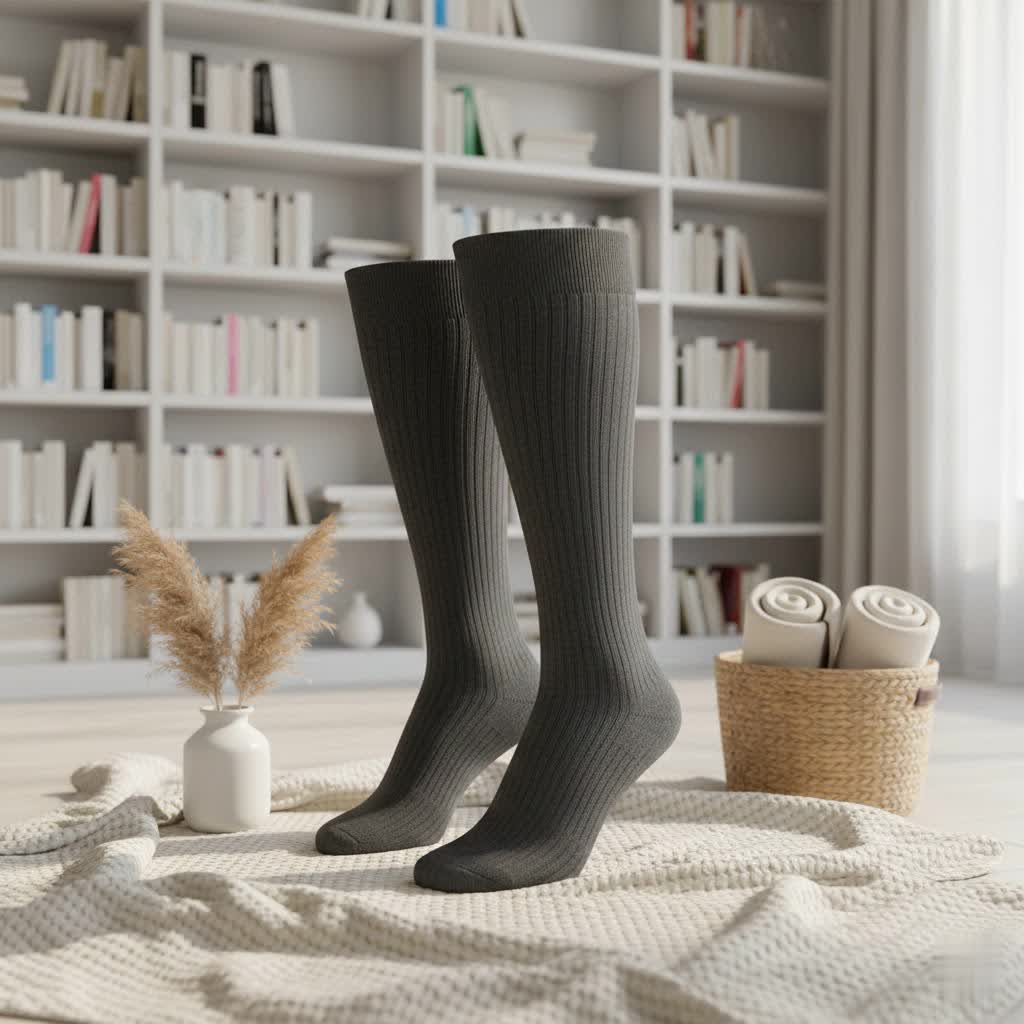
Compression socks are specially designed garments that apply graduated pressure to your legs, with the firmest compression at the ankle and gradually decreasing pressure as they extend up the leg. This therapeutic pressure helps to support your veins, encouraging blood to flow more efficiently back towards your heart. Their primary purpose is to improve circulation and prevent blood from pooling in your lower extremities.
When considering compression socks for flying, you’ll primarily encounter graduated compression socks. These are recognized for their effectiveness in promoting blood flow. Other types, such as non-medical support hosiery (uniform pressure) and anti-embolism stockings (uniform pressure, typically for bedridden patients), are generally not as suitable for active travelers or for preventing DVT related to air travel.
The Essential Benefits of Compression Socks for Flying
Wearing compression socks during your flight offers a multitude of advantages, significantly enhancing both your comfort and well-being.
- Improved Blood Circulation: The graduated pressure gently squeezes your veins, helping blood to move more effectively against gravity and cabin pressure, thereby preventing sluggish circulation.
- Reduced Swelling and Discomfort: Prolonged sitting often causes fluid to accumulate in your lower legs and feet, leading to uncomfortable swelling (peripheral edema). Compression socks counteract this by facilitating fluid return, reducing that heavy, aching sensation in your legs and feet.
- Prevention of Deep Vein Thrombosis (DVT): This is perhaps the most critical benefit. DVT involves the formation of blood clots in deep veins, usually in the legs, which can be life-threatening if a clot travels to the lungs. By maintaining consistent blood flow and preventing stagnation, compression socks significantly lower your risk of DVT during long periods of immobility.
- Alleviation of Fatigue and Leg Pain: Improved circulation ensures that oxygen and nutrients are delivered more efficiently to your leg muscles, reducing the feeling of tiredness and soreness that often accompanies long journeys.
- Enhanced Post-Flight Recovery: Stepping off the plane feeling less fatigued and swollen means you can recover quicker from the stress of travel and fully enjoy your destination from the moment you arrive.
“Compression socks are a simple, effective tool to help promote better circulation and reduce the risk of DVT and other circulatory issues during air travel.” – Mayo Clinic Store
Who Should Consider Using Compression Socks for Flying?
While beneficial for almost anyone embarking on a long journey, certain individuals can particularly benefit from wearing compression socks for flying.
- Long-Haul Travelers: Anyone on a flight lasting four hours or more is at an increased risk of DVT and swelling due to prolonged immobility.
- Individuals with Pre-Existing Conditions: If you have a history of DVT, varicose veins, chronic venous insufficiency, heart failure, or lymphedema, compression socks are highly recommended.
- Pregnant Women: Pregnancy naturally increases the risk of blood clots due to hormonal changes and pressure on leg veins. Compression socks provide crucial support during travel.
- People Prone to Swelling: If your feet and ankles typically swell during travel or after long periods of sitting, these socks can offer significant relief.
- Older Adults: As we age, our circulatory system may become less efficient, making compression socks a valuable preventative measure.
- Frequent Travelers or Those with Sedentary Lifestyles: Pilots, flight attendants, business travelers, or anyone who spends extended periods sitting (even outside of flying) can benefit from consistent use.
Classifying Compression Socks for Air Travel
Understanding the different characteristics of compression socks is key to selecting the right pair for your flight.
By Compression Level (mmHg)
The level of compression is measured in millimeters of mercury (mmHg), similar to blood pressure readings.
- Mild Compression (8-15 mmHg): Offers light support, ideal for minor swelling or general comfort on shorter flights.
- Moderate Compression (15-20 mmHg): This is often recommended for most healthy individuals on long flights to prevent swelling and reduce DVT risk. It’s also suitable for those with mild varicose veins.
- Firm Compression (20-30 mmHg): Provides stronger support, typically advised for individuals with a higher risk of DVT, significant swelling, or pre-existing conditions like moderate varicose veins. This level may require a doctor’s recommendation.
- Extra Firm Compression (30+ mmHg): Usually medical-grade and prescribed for specific conditions such as severe edema, DVT treatment, or advanced venous issues. Always consult a healthcare provider for these levels.
|
Our Picks for the Best Compression Socks in 2026
As an Amazon Associate I earn from qualifying purchases.
|
||
| Num | Product | Action |
|---|---|---|
| 1 | MONFOOT Compression Socks for Men & Women, 15-20 mmHg (3 Pairs) - Best Circulation socks for Nurses, Athletic, Travel |

|
| 2 | CHARMKING Compression Socks for Women & Men Circulation (3 Pairs) 15-20 mmHg is Best Support for Athletic Running Cycling |
|
| 3 | FITRELL 3 Pairs Compression Socks for Women and Men 20-30mmHg-Circulation Support Socks |
|
| 4 | FITRELL 3 Pairs Compression Socks for Women and Men 20-30mmHg-Circulation Support Socks |
|
| 5 | CHARMKING Compression Socks for Women & Men Circulation (3 Pairs) 15-20 mmHg is Best Support for Athletic Running Cycling |
|
| 6 | CHARMKING Compression Socks for Women & Men Circulation (3 Pairs) 15-20 mmHg is Best Support for Athletic Running Cycling |
|
| 7 | FITRELL 3 Pairs Compression Socks for Women and Men 20-30mmHg-Circulation Support Socks |
|
| 8 | CHARMKING Compression Socks for Women & Men Circulation (3 Pairs) 15-20 mmHg is Best Support for Athletic Running Cycling |
|
| 9 | FITRELL 3 Pairs Compression Socks for Women and Men 20-30mmHg-Circulation Support Socks |
|
| 10 | CHARMKING Compression Socks for Women & Men Circulation (3 Pairs) 15-20 mmHg is Best Support for Athletic Running Cycling |
|
For flying, most travelers find a 15-20 mmHg or 20-30 mmHg compression level to be effective and comfortable.
By Length
The length of your compression socks also plays a role in their effectiveness.
- Knee-High: This is the most common and generally recommended length for air travel. They cover the calf, which is where much of the blood pooling occurs, providing optimal support for flight-related swelling and DVT prevention.
- Thigh-High: These offer compression further up the leg, providing more extensive support. They might be chosen for specific medical conditions or if you experience swelling higher up your legs.
- Pantyhose/Tights: Provides full leg compression, sometimes preferred by pregnant women or those with swelling throughout the legs and hips.
- Ankle Socks: While comfortable for everyday wear, ankle compression socks are typically not sufficient for preventing DVT or significant swelling during long flights, as they don’t cover the entire calf where blood pooling is a concern.
By Material
The material affects comfort, breathability, and durability. Look for:
- Breathable and Moisture-Wicking Fabrics: Materials like nylon, spandex blends, merino wool, or bamboo are excellent choices. They help regulate temperature, keep your skin dry, and prevent discomfort during long wear.
- Softness: A comfortable material will make them much easier to wear for the duration of your flight.
Comparison Table: Choosing Your Flight Compression Socks
| Type of Sock | Compression (mmHg) | Length | Material (Examples) | Pros | Cons |
|---|---|---|---|---|---|
| Travel (Standard) | 15-20 | Knee-high | Nylon, Spandex, Cotton | Good for most travelers, comfortable | May not be enough for high-risk individuals |
| Therapeutic | 20-30 | Knee-high/Thigh-high | Nylon, Spandex, Merino Wool | Strong DVT prevention, reduces significant swelling | Can be harder to put on, potentially warmer |
| Athletic | 15-20 or 20-30 | Knee-high | Spandex, Synthetic Blends | Often more stylish, good for active recovery | May prioritize athletic features over pure medical function |
Your Buying Guide: How to Choose the Right Compression Socks for Flying
Selecting the perfect pair of compression socks for your next flight involves a few key considerations:
- Determine Your Purpose and Flight Duration: Are you looking for general comfort on a moderate flight, or do you have a long-haul journey and specific health concerns? For most flights over four hours, moderate compression (15-20 mmHg) is a good starting point, while higher risks may warrant 20-30 mmHg.
- Measure Your Legs Accurately: This is perhaps the most crucial step. Compression socks are effective only if they fit correctly. Measure your ankle circumference (at the narrowest point) and your calf circumference (at the widest point), and sometimes the length from the floor to just below your knee. Compare these measurements to the manufacturer’s sizing chart. Do not simply guess your size based on shoe size.
- Choose the Appropriate Compression Level: As discussed, 15-20 mmHg is suitable for general travel and mild swelling, while 20-30 mmHg is better for higher DVT risk or more pronounced symptoms. If you have pre-existing medical conditions, always consult your doctor for a recommendation.
- Prioritize Comfortable Materials: Opt for breathable, moisture-wicking fabrics that will keep your legs comfortable and dry throughout your flight. Consider blends with natural fibers like merino wool or bamboo for added softness and odor control.
- Select the Right Length: Knee-high socks are the go-to choice for flying, as they effectively address blood pooling in the calves.
- Read Reviews and Consult with Experts: User reviews can offer insights into comfort and durability. For personalized advice, especially if you have health concerns, consult a healthcare provider or a footcare specialist.
Top Picks – Exploring Reputable Compression Sock Brands for Flying
When it comes to quality and reliability for travel, several brands consistently receive high marks from travelers and medical professionals. While personal preference plays a role, these brands are known for their effective compression, comfortable materials, and durability.
- Jobst: A well-known medical-grade brand offering a wide range of compression levels and styles, often recommended by doctors.
- Sigvaris: Another leading medical compression brand, recognized for its quality, precise compression, and comfortable fit. They offer various lines suitable for travel.
- CEP: Popular among athletes, CEP also produces excellent travel compression socks. Their socks are known for their performance-oriented design, durability, and graduated compression.
- Sockwell: These socks blend medical effectiveness with stylish designs. Many models feature merino wool or bamboo, offering superior comfort and moisture-wicking properties, making them very popular for travel.
- Comrad: Focuses on stylish, everyday compression socks that are also great for travel, offering comfortable graduated compression with a modern aesthetic.
- Physix Gear Sport: Offers durable and affordable compression socks, often in the 20-30 mmHg range, suitable for both athletic activity and extended periods of sitting, including flights.
When choosing a brand, consider not only the reputation but also the specific features like material blend, style, and available compression levels to match your individual needs.
How to Use and Care for Your Compression Socks While Flying
To maximize the benefits and lifespan of your compression socks, proper usage and care are essential.
Wearing Them Correctly
- Put Them On Early: The absolute best time to put on your compression socks is in the morning, right after you wake up, when your legs are least swollen. Make sure they are on before you head to the airport and certainly before your flight takes off. Putting them on in a confined airplane seat can be challenging and less effective.
- Ensure a Smooth Fit: Roll the sock down to the heel, slip your foot in, then gradually roll and pull the sock up your leg. Ensure there are no wrinkles or bunching, as these can create uncomfortable pressure points or reduce effectiveness. The top band should sit smoothly just below your knee for knee-high socks.
- Wear for the Entire Flight: Keep your compression socks on for the entire duration of your flight, including during any layovers where you’ll be sitting for extended periods.
Caring for Your Socks
- Gentle Washing: Most compression socks should be hand-washed or machine-washed on a delicate cycle with cold water. Avoid harsh detergents or bleach, as these can damage the elastic fibers.
- Air Dry: Tumble drying on high heat can destroy the elastic that provides compression. Always air dry your socks, laying them flat or hanging them away from direct heat.
- Replace Regularly: Compression socks lose their elasticity and effectiveness over time. If worn frequently, they should typically be replaced every six months. For occasional travel use, they might last longer, but discard any pair that feels loose, saggy, or no longer provides firm compression.
Conclusion
Embarking on a journey, whether for business or pleasure, should be an experience of excitement, not discomfort or worry. Compression socks for flying offer a straightforward, scientifically-backed solution to mitigate the common challenges of air travel, such as leg swelling, fatigue, and the risk of DVT. By investing in a well-fitting pair with the right compression level and material, you can significantly enhance your comfort, protect your circulatory health, and ensure you arrive at your destination feeling refreshed and ready for what lies ahead.
So, as you plan your next adventure, remember to pack this small but mighty travel essential. Your legs will undoubtedly thank you for the smooth, comfortable, and healthy journey. What’s your top tip for staying comfortable on a long flight?
Frequently Asked Questions
What compression level is best for flying?
For most healthy individuals, a moderate compression level of 15-20 mmHg is generally recommended for flights. If you have a higher risk of DVT, significant swelling, or pre-existing circulatory conditions, a firmer compression of 20-30 mmHg might be more suitable, often with a doctor’s advice.
Should I wear compression socks on every flight?
While particularly beneficial for long-haul flights (over four hours), wearing compression socks can improve comfort and reduce swelling even on shorter journeys if you are prone to discomfort or have risk factors for DVT. Many travelers find them beneficial for any flight duration.
How do compression socks help prevent DVT?
Compression socks apply graduated pressure, firmest at the ankle and gradually easing up the leg. This encourages blood to flow more efficiently back to the heart, preventing it from pooling in the lower legs and reducing the likelihood of blood clot formation (DVT).
Can compression socks be too tight for flying?
Yes, compression socks can be too tight. If they are uncomfortably tight, dig into your skin, or leave deep marks, they might be restricting blood flow rather than improving it. It’s crucial to measure your legs accurately and consult sizing charts to ensure a snug but comfortable fit.
When should I put on compression socks before flying?
Ideally, you should put on your compression socks in the morning, before any swelling occurs, and before you even leave for the airport. This ensures maximum effectiveness by preventing fluid accumulation from the start of your travel day.
Can I wear compression socks after my flight?
Yes, wearing compression socks after your flight can still be beneficial. They can help reduce any lingering swelling and improve circulation as your body readjusts to being back on solid ground, contributing to a quicker recovery from travel fatigue.
