Waking up with an aching, swollen leg is a concern for many, especially if you’re at risk for deep vein thrombosis (DVT). This serious condition occurs when blood clots form in deep veins, often in the legs, posing a threat if a clot travels to the lungs, leading to a pulmonary embolism. Fortunately, compression socks have emerged as a vital tool in both preventing DVT and managing its symptoms, significantly improving circulation and alleviating discomfort. This comprehensive guide will explore how these seemingly simple garments can make a profound difference in your leg health.
What Are Compression Socks?
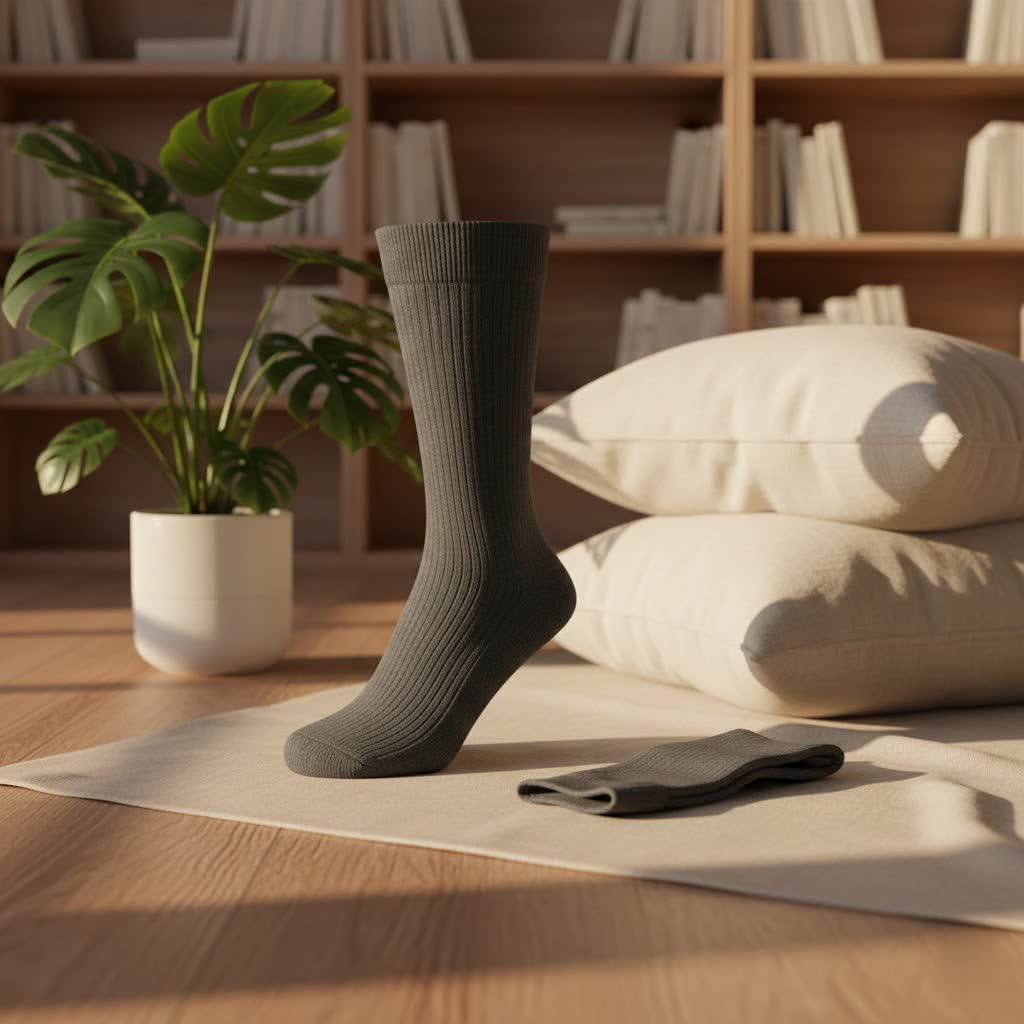
Compression socks, or stockings, are specialized elastic garments designed to apply graduated pressure to your legs. This means they are tightest at the ankle and gradually become less constrictive as they move up the leg. This controlled pressure helps your veins and muscles work more efficiently, pushing blood back towards the heart against gravity. Unlike regular socks, their primary purpose is therapeutic, aiming to improve blood flow and reduce the risk of various circulatory issues, including DVT.
These stockings are meticulously engineered to narrow the diameter of distended veins, which in turn increases the velocity of blood flow. This prevents blood from pooling in the lower extremities, a common precursor to clot formation. They also provide crucial support to the vein valves, which are tiny one-way doors that prevent blood from flowing backward. By bolstering these valves, compression socks ensure a steady, upward flow of blood, contributing to overall leg health and significantly lowering the risk of DVT.
Benefits of Compression Socks
The advantages of incorporating compression socks into your routine, especially concerning DVT, are extensive:
- Improved Blood Circulation: The graduated pressure actively promotes healthy blood flow from your legs back to your heart, ensuring oxygen-rich blood reaches tissues and waste products are efficiently removed.
- Reduced Swelling (Edema): By preventing blood and fluid from pooling in the lower legs, compression socks effectively reduce swelling in the ankles, feet, and calves, alleviating discomfort and heaviness.
- DVT Prevention and Management: Compression socks are clinically proven to help prevent the formation of new blood clots, particularly in high-risk individuals. For those already diagnosed with DVT, they can prevent clot enlargement and minimize the risk of complications like post-thrombotic syndrome (PTS).
- Alleviate Leg Fatigue and Pain: Consistent support from compression socks reduces muscle vibration and strain, leading to less achiness and fatigue, especially after long periods of standing or sitting.
- Support for Post-Thrombotic Syndrome (PTS): While not routinely used to prevent PTS in acute DVT, compression socks can significantly reduce the frequency and severity of PTS symptoms such as chronic swelling, pain, and skin changes when worn consistently after DVT diagnosis.
- Faster Recovery After Exercise: By enhancing circulation and removing lactic acid more efficiently, compression socks can aid in quicker muscle recovery and reduced soreness after physical activity.
Who Should Use Compression Socks for DVT?
While beneficial for many, compression socks are particularly recommended for certain individuals at risk of or living with DVT:
- Individuals Undergoing Surgery: Post-operative patients often have reduced mobility, increasing their DVT risk. Compression socks are frequently prescribed to maintain circulation during recovery.
- Long-Distance Travelers: Extended periods of immobility during flights or car rides can cause blood pooling. Wearing compression socks can significantly reduce the risk of travel-related DVT.
- Those with Limited Mobility: People who are bedridden, have restricted movement, or lead sedentary lifestyles benefit from the circulatory support provided by compression socks.
- Pregnant Women: Hormonal changes and increased pressure on pelvic veins during pregnancy heighten DVT risk. Compression socks can help manage swelling and promote healthy blood flow.
- Individuals with Varicose Veins or Chronic Venous Insufficiency (CVI): These conditions often involve impaired vein function, making compression therapy a key part of management to prevent progression and related DVT risk.
- People with a History of DVT: For those who have experienced DVT, compression socks can be crucial in preventing recurrence and managing ongoing symptoms.
- Occupations Requiring Prolonged Standing or Sitting: Nurses, teachers, office workers, and retail staff can find relief from leg fatigue and swelling, and reduce their DVT risk.
Types of Compression Socks
Understanding the different types of compression socks is crucial for choosing the right pair:
- Graduated Compression Stockings: These are the most common and widely recommended type for DVT prevention and circulation issues. They apply the strongest pressure at the ankle and gradually decrease pressure up the leg, actively pushing blood upwards.
- Uniform Compression Stockings: These apply the same level of pressure throughout the covered area. They are typically used for general support and comfort, rather than specific medical conditions like DVT.
Beyond the compression type, stockings also vary by length:
- Knee-High Stockings: Ideal for most DVT cases, especially if the clot is below the knee. They are easier to wear and provide effective circulation support for the lower leg.
- Thigh-High Stockings: Recommended if DVT is above the knee or if more extensive venous support is required.
- Pantyhose/Tights: These provide full-leg compression, extending to the hips and waist, often used for severe circulation issues or pregnancy-related swelling.
Comparison of Compression Levels
Compression levels are measured in millimeters of mercury (mmHg) and determine the amount of pressure applied. The appropriate level depends on your specific needs and should often be guided by a healthcare professional.
| Compression Level | Pressure (mmHg) | Primary Use Case | Benefits | Considerations |
|---|---|---|---|---|
| Mild | 8-15 mmHg | Minor swelling, leg fatigue, preventative for long sitting/standing | Light support, everyday comfort | Generally over-the-counter, minimal medical guidance required |
| Moderate | 15-20 mmHg | DVT prevention (travelers, sedentary), mild varicose veins, mild swelling | Enhances circulation, reduces fatigue, prevents pooling | Common for general prevention, often over-the-counter |
| Firm | 20-30 mmHg | Moderate swelling, prominent varicose veins, post-surgical recovery, moderate edema | Significant support, effective for venous conditions | Often recommended by doctors, may require measurement |
| Extra Firm | 30-40 mmHg | Severe venous disorders, advanced DVT/PTS, severe edema, lymphedema | Strong therapeutic compression | Typically requires a prescription and professional fitting |
How to Choose the Right Compression Socks (Buying Guide)
Selecting the ideal compression socks for DVT requires careful consideration:
- Consult Your Doctor: For DVT prevention or management, especially if you have an existing condition or require higher compression levels, always seek advice from a healthcare provider. They can recommend the appropriate compression level and length.
- Determine Your Purpose: Are you looking for daily preventative wear, support during travel, post-surgical recovery, or management of an existing DVT? Your purpose will guide the type and level of compression.
- Accurate Measurement is Key: Compression socks must fit precisely to be effective and comfortable. Measure your legs first thing in the morning when swelling is minimal.
- Ankle Circumference: Measure the narrowest part of your ankle.
- Calf Circumference: Measure the widest part of your calf.
- Thigh Circumference (for thigh-highs): Measure the widest part of your thigh.
- Leg Length: For knee-highs, measure from the floor to the bend of your knee. For thigh-highs, measure to the top of your thigh.
Use these measurements with the manufacturer’s sizing chart.
- Choose the Right Compression Level: Based on your doctor’s recommendation and your specific needs, select the appropriate mmHg level. Moderate compression (15-20 mmHg) is often sufficient for prevention, while firm (20-30 mmHg) or extra firm (30-40 mmHg) might be necessary for existing DVT or severe conditions.
- Consider Material and Design:
- Breathable Fabrics: Opt for moisture-wicking materials like nylon, spandex, or cotton blends to keep your skin dry and comfortable, especially when worn for extended periods.
- Seamless or Soft Fabric: A smooth internal finish prevents friction, irritation, and blisters.
- Non-Binding Cuff: Ensure the top cuff holds the sock in place without digging into your skin or restricting circulation.
- Graduated Compression: Always choose graduated compression for DVT prevention and circulation improvement.
Top Picks – How to Evaluate Compression Socks Brands
When searching for the best compression socks for DVT, focus on brands known for quality, durability, and a commitment to medical standards. Here’s what to look for:
- Medical Grade Certification: Reputable brands often have certifications indicating their products meet specific medical compression standards. This ensures the graduated pressure is accurate and consistent.
- Material Quality and Comfort: Look for blends that offer breathability, moisture-wicking properties, and durability. Materials like high-quality nylon, spandex, and microfibers are common. A comfortable feel is paramount, as you’ll be wearing them for extended periods.
- Fit and Sizing Options: A good brand will offer a wide range of sizes and clear measuring instructions to ensure a precise fit. Some may even provide options for different leg shapes.
- Durability and Longevity: Compression socks are an investment in your health. Choose brands known for their ability to maintain compression integrity through regular washing and wear.
- Ease of Donning: While all compression socks can be a bit tricky to put on due to their snug fit, some brands incorporate features or materials that make the process smoother.
- Customer Reviews and Medical Professional Endorsements: Positive feedback from users and recommendations from doctors or physical therapists can be strong indicators of a brand’s reliability and effectiveness.
Focus on these criteria to ensure you select a product that provides optimal therapeutic benefits for DVT prevention and relief.
How to Use And Care For Compression Socks
Proper usage and care are vital to maximize the benefits and extend the life of your compression socks:
- When to Wear: Ideally, put on your compression socks first thing in the morning, immediately after waking up and before any significant leg swelling occurs. Wear them throughout the day and remove them before going to bed, unless your doctor advises otherwise.
- How to Put Them On: Gently roll the stocking down to the heel, slip your foot in, and gradually unroll it up your leg. Ensure the heel and toe are correctly positioned and that the material is evenly distributed without any creases or wrinkles, which can cause chafing or restrict circulation. Using rubber gloves can provide a better grip.
- How to Take Them Off: Roll the stocking down from the top, gently peeling it off your leg.
- Never Roll Down the Top: Avoid rolling the top of the stocking down, as this creates a tourniquet effect, impeding blood flow and potentially causing harm.
- Washing and Drying: Hand wash in lukewarm water with mild soap or machine wash on a delicate cycle in a mesh laundry bag. Avoid harsh detergents, bleach, or fabric softeners, as these can break down the elastic fibers. Air dry them flat or hang them away from direct heat to preserve their elasticity. Do not put them in a dryer.
- Longevity: Compression socks typically have a lifespan of about three to six months with regular use and proper care. The elastic fibers degrade over time, reducing their effectiveness. Replace them when they start to feel less snug or show signs of wear.
- Skin Care: Maintain good skin hygiene. Wash your legs and feet regularly, and moisturize at night after removing your socks to prevent dry skin. Report any skin irritation or discomfort to your doctor.
Conclusion
Compression socks are a powerful, non-invasive tool in the fight against Deep Vein Thrombosis, offering a blend of prevention, symptom relief, and enhanced well-being. By promoting healthy blood circulation and preventing dangerous clots, they play an indispensable role in maintaining your leg health. Whether you’re a frequent traveler, recovering from surgery, managing a chronic condition, or simply spending long hours on your feet, these garments can provide significant comfort and protection. Remember, understanding the different types, choosing the right fit and compression level, and adhering to proper care instructions are crucial for unlocking their full potential. Don’t hesitate to consult with a healthcare professional to determine if compression therapy is right for you and embark on a path to healthier, more energized legs. What steps will you take today to prioritize your vascular health?
Frequently Asked Questions
Can compression socks dissolve existing DVT clots?
|
Our Picks for the Best Compression Socks in 2026
As an Amazon Associate I earn from qualifying purchases.
|
||
| Num | Product | Action |
|---|---|---|
| 1 | FITRELL 3 Pairs Compression Socks for Women and Men 20-30mmHg-Circulation Support Socks |

|
| 2 | CHARMKING Compression Socks for Women & Men Circulation (3 Pairs) 15-20 mmHg is Best Support for Athletic Running Cycling |
|
| 3 | MONFOOT Compression Socks for Men & Women, 15-20 mmHg (3 Pairs) - Best Circulation socks for Nurses, Athletic, Travel |
|
| 4 | CHARMKING Compression Socks for Women & Men Circulation (3 Pairs) 15-20 mmHg is Best Support for Athletic Running Cycling |
|
| 5 | FITRELL 3 Pairs Compression Socks for Women and Men 20-30mmHg-Circulation Support Socks |
|
| 6 | CHARMKING Compression Socks for Women & Men Circulation (3 Pairs) 15-20 mmHg is Best Support for Athletic Running Cycling |
|
| 7 | CHARMKING Compression Socks for Women & Men Circulation (3 Pairs) 15-20 mmHg is Best Support for Athletic Running Cycling |
|
| 8 | CHARMKING Compression Socks for Women & Men Circulation (3 Pairs) 15-20 mmHg is Best Support for Athletic Running Cycling |
|
| 9 | FITRELL 3 Pairs Compression Socks for Women and Men 20-30mmHg-Circulation Support Socks |
|
| 10 | FITRELL 3 Pairs Compression Socks for Women and Men 20-30mmHg-Circulation Support Socks |
|
No, compression socks do not dissolve existing blood clots. Their primary function is to prevent new clots from forming, reduce the risk of existing clots from growing, alleviate swelling and pain, and minimize the chance of developing post-thrombotic syndrome. Blood thinners are typically prescribed to treat existing clots.
How tight should compression socks feel?
Compression socks should feel snug and supportive, but never painfully tight or constricting. You should not experience numbness, tingling, or increased pain. If the socks cause discomfort, dig into your skin, or leave deep indentations, they might be too tight or incorrectly sized.
Can I wear compression socks while sleeping?
Generally, it’s recommended to remove compression socks before going to bed, as the natural pumping action of your legs when horizontal is often sufficient for circulation. However, a doctor might advise wearing them overnight in specific medical situations, so always follow personalized medical advice.
Are over-the-counter compression socks effective for DVT prevention?
Over-the-counter compression socks, typically in mild (8-15 mmHg) or moderate (15-20 mmHg) compression levels, can be effective for DVT prevention in low-risk scenarios like long-distance travel or prolonged sitting/standing. For higher-risk situations or existing DVT, a doctor-prescribed compression level (20-30 mmHg or higher) is usually necessary.
How often should I replace my compression socks?
For optimal effectiveness, compression socks should typically be replaced every three to six months. Over time, the elastic fibers degrade from wear and washing, causing the garment to lose its therapeutic compression. Regular inspection for signs of wear and reduced snugness will help you determine when a replacement is due.
