Calf pain is a common discomfort, whether it stems from an intense workout, prolonged standing, or simply the demands of daily life. It can manifest as soreness, fatigue, or even a sharp ache, significantly impacting your mobility and well-being. If you’ve ever experienced that heavy, tired feeling in your calves, you’re not alone. The good news? Compression socks offer a straightforward and effective solution, designed to provide relief and support where you need it most. This comprehensive guide will explore how compression socks work, who benefits from them, how to choose the right pair, and tips for usage and care, helping you step into a world of improved leg health.
What Are Compression Socks?
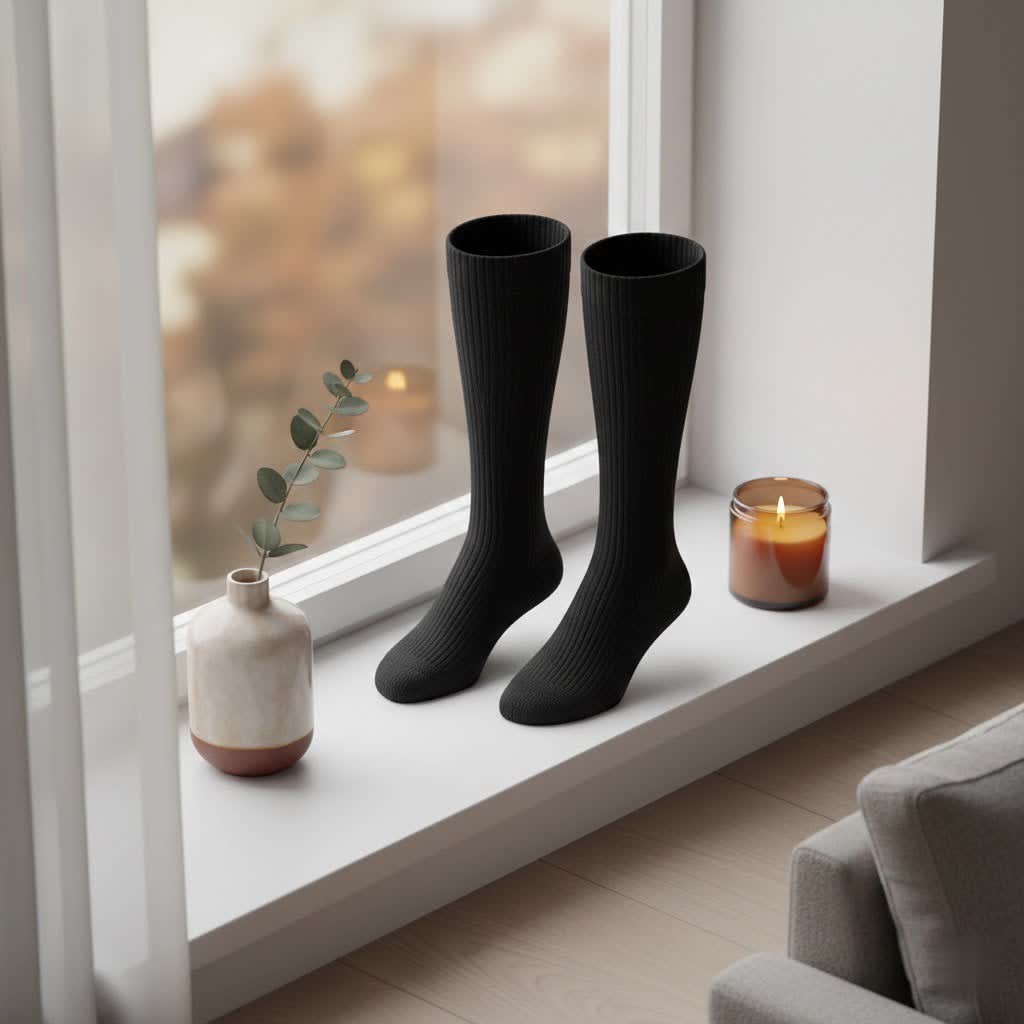
Compression socks are specialized hosiery engineered to apply gentle, graduated pressure to your legs. Unlike regular socks, their primary function is to support your circulatory system, specifically aiding blood flow from your lower extremities back towards your heart. This gentle squeeze is typically tighter at the ankle and gradually lessens as the sock extends up the leg towards the knee or thigh. This design, known as graduated compression, actively works against gravity, preventing blood from pooling in the lower legs and promoting efficient blood return. By doing so, compression socks help carry oxygen-rich blood to your muscles and facilitate the removal of waste products, such as lactic acid, easing discomfort and supporting overall leg health.
The benefits extend beyond just basic circulation. This targeted pressure also helps to stabilize muscle tissue, reducing muscle oscillation (vibration) during physical activity. Less vibration means less micro-trauma to your muscles, contributing to reduced fatigue and soreness.
Common Types of Compression Socks
Compression socks come in various styles, lengths, and compression levels, each suited for different needs:
- Graduated Compression Socks: These are the most common type, offering varying pressure along the leg, tighter at the ankle and gradually looser upwards. This design is crucial for promoting effective blood flow.
- Uniform Compression Socks: These apply consistent pressure throughout the entire sock. While less common for general calf pain, they may be used for specific medical conditions under a doctor’s guidance.
- Compression Sleeves: These cover only the calf area, from just above the ankle to below the knee, without covering the foot. They are often favored by athletes who prefer their own socks or want targeted calf support. However, it’s vital that sleeves do not create a restrictive band at the ankle, as this can ironically lead to blood pooling in the foot.
|
Our Picks for the Best Compression Socks in 2026
As an Amazon Associate I earn from qualifying purchases.
|
||
| Num | Product | Action |
|---|---|---|
| 1 | CHARMKING Compression Socks for Women & Men Circulation (3 Pairs) 15-20 mmHg is Best Support for Athletic Running Cycling |

|
| 2 | FITRELL 3 Pairs Compression Socks for Women and Men 20-30mmHg-Circulation Support Socks |
|
| 3 | CHARMKING Compression Socks for Women & Men Circulation (3 Pairs) 15-20 mmHg is Best Support for Athletic Running Cycling |
|
| 4 | CHARMKING Compression Socks for Women & Men Circulation (3 Pairs) 15-20 mmHg is Best Support for Athletic Running Cycling |
|
| 5 | CHARMKING Compression Socks for Women & Men Circulation (3 Pairs) 15-20 mmHg is Best Support for Athletic Running Cycling |
|
| 6 | CHARMKING Compression Socks for Women & Men Circulation (3 Pairs) 15-20 mmHg is Best Support for Athletic Running Cycling |
|
| 7 | FITRELL 3 Pairs Compression Socks for Women and Men 20-30mmHg-Circulation Support Socks |
|
| 8 | MONFOOT Compression Socks for Men & Women, 15-20 mmHg (3 Pairs) - Best Circulation socks for Nurses, Athletic, Travel |
|
| 9 | FITRELL 3 Pairs Compression Socks for Women and Men 20-30mmHg-Circulation Support Socks |
|
| 10 | FITRELL 3 Pairs Compression Socks for Women and Men 20-30mmHg-Circulation Support Socks |
|
Benefits of Compression Socks for Calf Pain
Compression socks offer a multitude of advantages for alleviating and preventing calf pain, making them a valuable tool for many individuals.
Improve Circulation and Blood Flow
One of the most significant benefits of compression socks is their ability to enhance blood circulation. The graduated pressure helps veins efficiently return deoxygenated blood to the heart, while simultaneously allowing arteries to relax and deliver more oxygenated blood to the calf muscles. This increased blood flow nourishes muscle tissues and helps flush out metabolic byproducts like lactic acid, which often contribute to muscle soreness and fatigue, especially after exercise.
Reduce Swelling and Edema
Prolonged standing, sitting, or even intense exercise can lead to fluid accumulation in the lower legs, resulting in swelling (edema). This swelling can cause a feeling of heaviness and contribute directly to pain. Compression socks apply external pressure that helps prevent the leakage of excess fluids from blood and lymphatic vessels into surrounding tissues, effectively reducing or preventing swelling and associated discomfort.
Prevent Muscle Cramps and Fatigue
By stabilizing the calf muscles and reducing muscle oscillation during movement, compression socks can significantly lessen muscle fatigue. This support minimizes the micro-trauma and strenuous vibrations that muscles endure, particularly during activities like running or hiking. The result is less cramping and a fresher feeling in your legs, both during and after physical exertion.
Aid Recovery from Calf Strains
For those recovering from minor calf strains or micro-injuries, compression socks can accelerate the healing process. Enhanced blood flow delivers vital oxygen and nutrients to damaged tissues, aiding in their repair. Furthermore, the supportive pressure helps to reduce inflammation and stabilize the injured area, making movement less painful and promoting quicker recovery. “Compression sleeves help ‘splint’ the injured area, reducing the vibration in the muscles and protecting your calf from further injury as you move around,” explains an expert on calf strains.
General Relief for Daily Discomfort
Beyond specific injuries or intense activity, compression socks provide consistent, gentle support that can make everyday mild aches more manageable. Whether you’re on your feet for extended periods, traveling, or experiencing discomfort from prolonged sitting, compression can play an important role in easing strain and keeping your legs feeling comfortable.
Who Should Use Compression Socks for Calf Pain?
Compression socks are a versatile solution beneficial for a wide range of individuals experiencing or at risk of calf pain.
- Athletes and Active Individuals: Runners, hikers, weightlifters, and anyone engaged in demanding physical activities often use compression socks to reduce muscle vibration, improve performance, and speed up post-exercise recovery by combating soreness and cramping.
- People with Standing or Sitting Occupations: Professions that require long hours on your feet (e.g., nurses, retail workers) or extended periods of sitting (e.g., office workers, truck drivers) can lead to blood pooling and calf discomfort. Compression socks provide the circulatory support needed to alleviate these issues.
- Pregnant Women: Pregnancy can increase the risk of leg swelling and varicose veins due to hormonal changes and increased pressure on leg veins. Compression socks can offer significant relief from these symptoms.
- Individuals with Circulation Issues: Those prone to conditions like varicose veins, deep vein thrombosis (DVT), or general poor circulation can benefit greatly from the improved blood flow facilitated by compression socks, which helps prevent blood clots and reduce discomfort.
- Long-Distance Travelers: Extended periods of inactivity during long flights or car rides can cause legs to swell and increase the risk of DVT. Compression socks help maintain healthy circulation in these situations.
Classifying Compression Socks
Understanding the different ways compression socks are classified can help you make an informed choice for your specific calf pain needs.
By Compression Level (mmHg)
The level of compression is measured in millimeters of mercury (mmHg) and indicates the pressure exerted by the sock.
- Mild Compression (8-15 mmHg): Ideal for everyday wear, mild leg fatigue, slight swelling, and general comfort enhancement during light activities or long periods of sitting/standing.
- Moderate Compression (15-20 mmHg): A popular choice for travel, moderate swelling, pregnancy-related leg discomfort, and athletic recovery. Many runners find this level effective for reducing calf tightness and improving recovery.
- Firm Compression (20-30 mmHg): Often recommended for varicose veins, moderate venous insufficiency, and more significant swelling. Athletes seeking enhanced performance or faster recovery may also opt for this level. Medical-grade compression typically starts at this level and may require a doctor’s prescription.
- Extra Firm Compression (30-40 mmHg and higher): Reserved for severe medical conditions, usually prescribed and fitted by a healthcare professional.
By Length
The length of the compression sock determines the area of the leg it supports.
- Knee-High: The most common length for calf pain, extending just below the knee. This length effectively targets the calf muscles and lower leg, preventing swelling in the ankle and foot while promoting circulation.
- Thigh-High: Extends up to the thigh. Used for broader circulation issues or conditions affecting the entire leg.
- Pantyhose/Tights: Covers the entire leg and waist. Primarily used for extensive venous issues or maternity support.
- Calf Sleeves: As mentioned, these cover only the calf, making them popular for targeted muscle support during sports where foot compression is not desired or specific footwear is needed.
By Material
The material affects comfort, durability, and suitability for different activities.
- Nylon/Spandex Blends: Excellent for moisture-wicking and breathability, making them ideal for athletes and active wear. They offer good elasticity and durability.
- Cotton Blends: Soft and comfortable for everyday wear, offering good breathability, but may not wick moisture as effectively as synthetics.
- Merino Wool: Naturally moisture-wicking, temperature-regulating, and odor-resistant. A great choice for both active use and comfort in varying climates.
Comparison of Common Compression Sock Types for Calf Pain
| Type of Sock | Compression Level (mmHg) | Length | Material Typically | Key Advantages for Calf Pain | Potential Drawbacks | Price Range (Estimated) |
|---|---|---|---|---|---|---|
| Mild Everyday | 8-15 | Knee-High | Cotton, Nylon Blend | Gentle relief for mild fatigue, standing | Less support for intense pain | $15 – $30 |
| Moderate Athletic/Travel | 15-20 | Knee-High, Calf Sleeve | Nylon, Spandex, Merino Wool | Good for exercise, recovery, travel, general calf pain | May feel tighter initially | $25 – $50 |
| Firm Performance/Medical | 20-30 | Knee-High, Thigh-High | Nylon, Spandex | Strong support for persistent pain, intense recovery | Can be harder to put on, may require doctor consultation | $35 – $70+ |
How to Choose the Right Compression Socks for Calf Pain (Buying Guide)
Selecting the best compression socks for your calf pain requires careful consideration to ensure optimal comfort and effectiveness.
1. Determine Your Purpose
Are you seeking daily relief, support for athletic activities, post-workout recovery, or addressing a specific medical condition? Your primary use case will guide your choice of compression level and material. For general calf pain and daily support, mild to moderate compression (8-20 mmHg) is often sufficient. Athletes frequently opt for moderate to firm compression (15-30 mmHg) for performance and recovery.
2. Measure Your Legs Accurately
Proper fit is paramount. Compression socks that are too tight can restrict blood flow, causing discomfort, while those too loose won’t provide adequate support. Always measure your legs in the morning before any swelling occurs.
- Ankle Circumference: Measure at the narrowest point just above the ankle bone.
- Calf Circumference: Measure at the widest part of your calf.
- Leg Length: For knee-high socks, measure from the floor to just below the knee.
Compare your measurements against the manufacturer’s sizing chart, as sizes can vary between brands. Do not guess based on shoe size alone for knee-high socks.
3. Choose the Appropriate Compression Level
As detailed above, compression levels are measured in mmHg. If you’re new to compression, start with a lower level (8-15 mmHg or 15-20 mmHg) and gradually increase if needed. If you have a medical condition or severe calf pain, consult with a doctor or physical therapist, as they can recommend the appropriate medical-grade compression level.
4. Select Comfortable and Functional Material
Consider the environment and activity. For workouts or hot climates, look for breathable, moisture-wicking fabrics like nylon, spandex, or merino wool to keep your legs cool and dry. For everyday comfort, cotton blends can be suitable.
5. Prioritize Fit and Comfort
A well-fitting compression sock should feel snug and supportive, but never painful or constricting. It should not bunch up, slide down, or leave deep marks on your skin. Ensure there’s enough room in the toe box for comfort.
Top Picks: Brands for Calf Pain Relief
Many reputable brands offer high-quality compression socks designed to alleviate calf pain. While individual preferences vary, some consistently receive positive reviews for their effectiveness and comfort.
- CEP Compression: Highly favored by athletes, particularly runners, for their durable construction and effective 20-30 mmHg graduated compression, aiding performance and recovery [cite: 1 (search: best compression socks reviews)].
- Physix Gear Sport Compression Socks: Known for providing strong yet comfortable 20-30 mmHg compression, praised for ease of wear and effectiveness in reducing leg bloating and soreness [cite: 3 (search: best compression socks reviews), 5 (search: best compression socks reviews)].
- Dr. Motion / SB SOX: Often recommended for everyday relief with mild to moderate compression (8-20 mmHg), focusing on breathability and comfortable fit for prolonged wear [cite: 1 (search: best compression socks reviews), 2 (search: best compression socks reviews)].
- Sockwell: Offers a range of moderate graduated compression socks (15-20 mmHg) made with merino wool blends, known for their comfort, temperature regulation, and stylish designs, suitable for walking and all-day wear [cite: 1 (search: best compression socks reviews), 2 (search: best compression socks reviews), 3 (search: best compression socks reviews)].
- Bombas: Provides comfortable 15-20 mmHg compression, known for their soft materials and supportive fit for everyday wear and travel, with a philanthropic mission [cite: 1 (search: best compression socks reviews), 5 (search: best compression socks reviews)].
- Zensah: Famous for their original compression leg sleeves, offering targeted calf support and advanced moisture-wicking properties, ideal for runners and athletes [cite: 4 (search: best compression socks reviews), 5 (search: best compression socks reviews)].
How to Use and Care for Compression Socks
To maximize the benefits and lifespan of your compression socks, proper usage and care are essential.
Wearing Your Compression Socks
Putting on compression socks, especially higher compression levels, can be tricky at first.
- Roll Down: Turn the sock inside out or roll it down to the heel.
- Foot First: Insert your foot, ensuring your heel is correctly seated.
- Gradual Unrolling: Slowly unroll and pull the sock up your leg, smoothing out any wrinkles as you go. Avoid pulling too hard, which can stretch the fibers or tear the fabric.
- No Bunching: Ensure the sock is evenly distributed and not bunched at the ankle or behind the knee, as this can create pressure points and hinder circulation.
Compression socks should feel snug and supportive, but not painful. If you experience significant discomfort, numbness, tingling, or skin irritation, remove them and consult a healthcare professional. It’s usually best to put them on first thing in the morning when your legs are least swollen.
Caring for Your Compression Socks
To maintain the elasticity and effectiveness of your compression socks:
- Hand Wash or Gentle Cycle: Wash them in cold water with a mild detergent. Avoid harsh chemicals or bleach.
- Air Dry: Hang or lay them flat to air dry. Machine drying, especially with heat, can damage the elastic fibers and reduce their compression effectiveness.
- Replace Regularly: Depending on wear and frequency of use, compression socks typically need to be replaced every 3 to 6 months to ensure they maintain their therapeutic compression levels.
Important Considerations
While compression socks are generally safe, always listen to your body. If you experience persistent or worsening calf pain, unusual swelling, skin changes, or any new symptoms, consult a doctor. Compression socks are a supportive aid, not a cure for underlying medical conditions.
“Leg aches from wearing compression socks are usually due to incorrect compression levels, improper fit, or wearing them for too long. By choosing the right socks and following best practices, you can enjoy the many benefits they offer without any discomfort.” – Copper Fit on proper compression sock use
Conclusion
Calf pain can be a persistent and debilitating issue, but with the right approach, relief is well within reach. Compression socks stand out as an accessible and effective solution, expertly designed to alleviate discomfort, reduce swelling, prevent muscle fatigue, and support your body’s natural recovery processes. By enhancing blood circulation and providing crucial muscle support, these specialized socks empower you to tackle your day with greater comfort and confidence, whether you’re an athlete pushing your limits or someone seeking everyday relief. Don’t let calf pain hold you back; explore the world of compression socks and experience the difference for yourself. How will improved calf comfort transform your daily activities?
Frequently Asked Questions
What compression level is best for general calf pain?
For general calf pain, mild to moderate compression (8-15 mmHg or 15-20 mmHg) is often recommended. This range provides effective support to improve circulation and reduce swelling without feeling overly restrictive, making it suitable for daily wear, travel, and light activities.
Can I wear compression socks all day for calf pain?
Yes, many individuals can wear compression socks all day for calf pain. They are designed to provide continuous support and improve circulation. However, ensure the fit is snug but not painful, and remove them if you experience discomfort or skin irritation. Always consult a healthcare professional for persistent pain.
What’s the difference between compression socks and calf sleeves for calf pain?
Compression socks cover the foot, ankle, and calf, providing graduated pressure across the entire lower leg. Calf sleeves, conversely, only cover the calf area, from above the ankle to below the knee. While both can alleviate calf pain, socks offer more comprehensive circulatory benefits for the foot and ankle, while sleeves provide targeted calf muscle support, often preferred by athletes who want to wear specific footwear.
When should I consult a doctor about calf pain and compression socks?
You should consult a doctor if your calf pain is severe, sudden, accompanied by significant swelling or redness, or doesn’t improve with rest and compression. Additionally, if you have pre-existing medical conditions like heart failure, peripheral artery disease, or nerve damage, or if higher compression levels are needed, seek professional medical advice before using compression socks.
