Pregnancy is a remarkable journey, but it often brings with it unique physical changes, including discomfort in the legs and feet. If you’re experiencing swollen ankles, achy calves, or that heavy feeling by the end of the day, you’re certainly not alone. Many expectant mothers find a simple yet effective solution in compression socks. These specialized garments are designed to provide gentle support, boost circulation, and offer much-needed relief during this transformative time. Understanding how they work and choosing the right pair can make a significant difference in your daily comfort and overall well-being.
What Are Compression Socks?
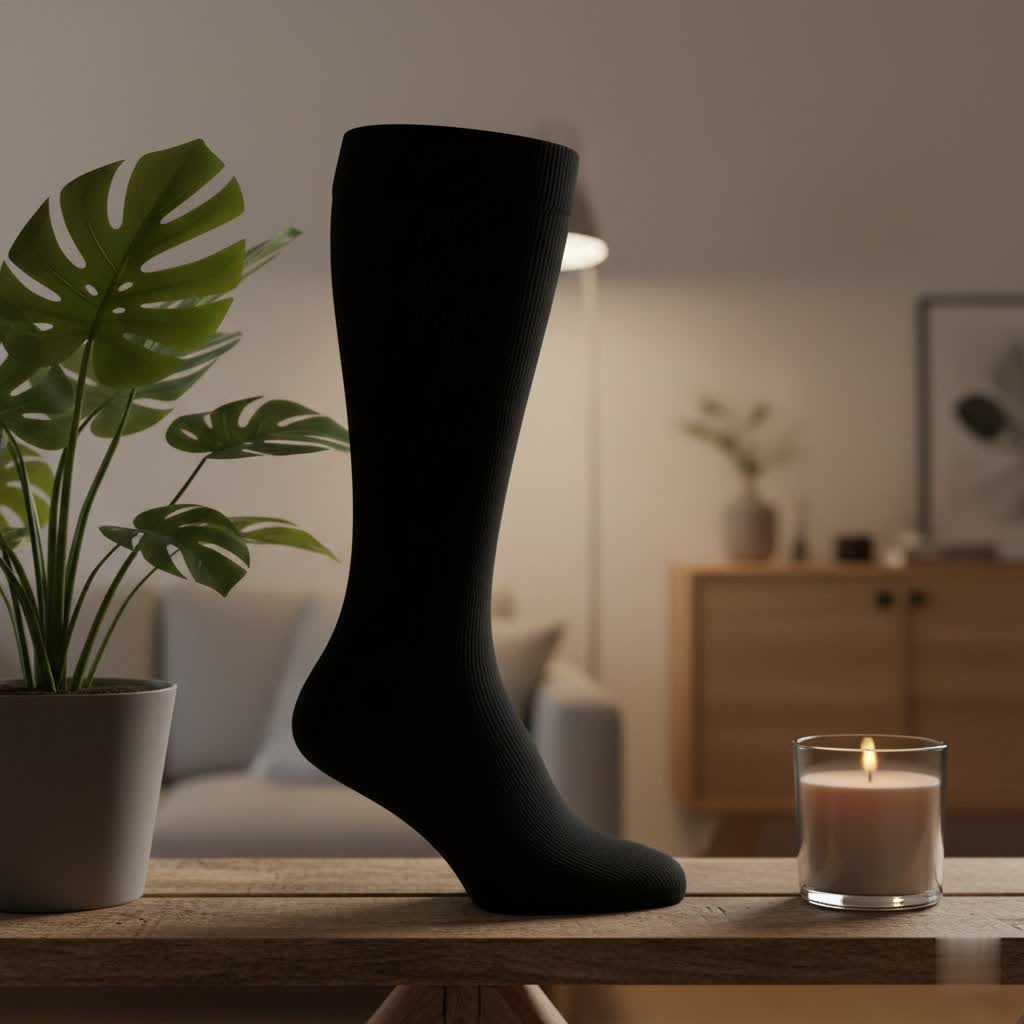
Compression socks are therapeutic stockings that apply gentle, graduated pressure to your legs. Unlike regular socks, they are specifically engineered to be tighter at the ankle and gradually looser as they extend up the leg. This design is crucial because it helps to counteract gravity and assist your veins in pushing blood back up towards your heart more efficiently. During pregnancy, your body’s circulatory system works overtime, processing up to 50% more blood volume and fluids. This increased demand, coupled with hormonal changes and pressure from your growing uterus, can hinder blood flow, leading to common pregnancy discomforts. Compression socks act as a supportive external muscle, encouraging healthy circulation and preventing fluid from pooling in your lower extremities.
Common Types of Compression Socks
Compression socks come in various types, primarily categorized by their pressure level, length, and material:
- By Compression Level (measured in mmHg):
- Mild (8-15 mmHg): Offers very light support, often used for minor fatigue or as a preventive measure.
- Moderate (15-20 mmHg): This is the most frequently recommended level for pregnant women, ideal for managing mild to moderate swelling, preventing varicose veins, and general discomfort.
- Firm (20-30 mmHg): Provides stronger compression, often suggested for more significant swelling, existing varicose veins, or during long-haul travel. A doctor’s consultation is usually recommended before using this level.
- Extra Firm (30-40 mmHg and higher): These are medical-grade stockings prescribed for specific conditions like deep vein thrombosis (DVT) or severe venous insufficiency.
- By Length:
- Knee-High: The most popular choice for pregnancy, as they effectively address swelling and circulation issues in the calves, ankles, and feet without restricting the abdomen.
- Thigh-High: Offers compression further up the leg, suitable for those with swelling or varicose veins extending above the knee.
- Maternity Pantyhose/Tights: Provides full leg compression and often includes an expandable belly panel for abdominal support.
- By Material: Materials like nylon, spandex, cotton, and bamboo blends are common, often chosen for their breathability, moisture-wicking properties, and comfort.
|
Our Picks for the Best Compression Socks in 2026
As an Amazon Associate I earn from qualifying purchases.
|
||
| Num | Product | Action |
|---|---|---|
| 1 | CHARMKING Compression Socks for Women & Men Circulation (3 Pairs) 15-20 mmHg is Best Support for Athletic Running Cycling |

|
| 2 | CHARMKING Compression Socks for Women & Men Circulation (3 Pairs) 15-20 mmHg is Best Support for Athletic Running Cycling |
|
| 3 | CHARMKING Compression Socks for Women & Men Circulation (3 Pairs) 15-20 mmHg is Best Support for Athletic Running Cycling |
|
| 4 | CHARMKING Compression Socks for Women & Men Circulation (3 Pairs) 15-20 mmHg is Best Support for Athletic Running Cycling |
|
| 5 | FITRELL 3 Pairs Compression Socks for Women and Men 20-30mmHg-Circulation Support Socks |
|
| 6 | CHARMKING Compression Socks for Women & Men Circulation (3 Pairs) 15-20 mmHg is Best Support for Athletic Running Cycling |
|
| 7 | FITRELL 3 Pairs Compression Socks for Women and Men 20-30mmHg-Circulation Support Socks |
|
| 8 | MONFOOT Compression Socks for Men & Women, 15-20 mmHg (3 Pairs) - Best Circulation socks for Nurses, Athletic, Travel |
|
| 9 | FITRELL 3 Pairs Compression Socks for Women and Men 20-30mmHg-Circulation Support Socks |
|
| 10 | FITRELL 3 Pairs Compression Socks for Women and Men 20-30mmHg-Circulation Support Socks |
|
Benefits of Compression Socks During Pregnancy
Wearing compression socks during pregnancy can alleviate a range of common discomforts, making your experience more comfortable and reducing potential health risks.
- Improved Blood Circulation: Your body produces significantly more blood and fluid during pregnancy. Compression socks help push this increased volume back to your heart, preventing blood from pooling in your lower legs and feet.
- Reduced Swelling (Edema): Swelling in the ankles, feet, and legs is a hallmark of pregnancy due to increased blood volume and fluid retention. The gentle pressure from compression socks helps to minimize fluid buildup, offering noticeable relief.
- Alleviation of Leg Pain and Fatigue: By boosting circulation and reducing swelling, these socks can significantly lessen the heavy, achy, and tired sensation in your legs, especially after long periods of standing or sitting. They can also help reduce the frequency and intensity of leg cramps.
- Prevention and Management of Varicose Veins: Pregnancy hormones can relax vein walls, and the growing uterus adds pressure, increasing the risk of varicose veins. Compression socks provide external support to your veins, helping to prevent their formation or worsening existing ones.
- Decreased Risk of Deep Vein Thrombosis (DVT): Pregnant women have an elevated risk of blood clots. Compression socks promote healthy blood flow, which is vital in preventing DVT, particularly during travel or periods of immobility.
- Enhanced Comfort During Activities: Whether you’re working, exercising, or traveling, compression socks provide continuous support, allowing you to stay more active and comfortable throughout your day.
Who Should Use Compression Socks During Pregnancy?
Many pregnant individuals can benefit from compression socks, especially those experiencing:
- Swelling in the legs, ankles, or feet: This is one of the most common reasons expectant mothers turn to compression.
- Leg pain, aches, or fatigue: If your legs feel heavy or tired, especially later in the day, compression can provide relief.
- Varicose veins or spider veins: To prevent their development or manage existing ones.
- A history of varicose veins or DVT: Proactive use can be particularly beneficial.
- Occupations requiring long periods of standing or sitting: Healthcare professionals, teachers, office workers, and retail staff often find them indispensable.
- Long-distance travel: Whether by plane or car, compression socks are recommended to prevent blood pooling and reduce DVT risk.
- Regular exercise: They can offer additional support and aid recovery during prenatal workouts.
Even if you don’t experience severe symptoms, light to moderate compression socks can be a comfortable preventive measure throughout your pregnancy.
Classification of Compression Socks
Understanding the different classifications helps you choose the most appropriate socks for your needs during pregnancy.
By Compression Level (mmHg)
The pressure applied by compression socks is measured in millimeters of mercury (mmHg). This graduated pressure system is tighter at the ankle and gradually reduces towards the top, promoting efficient blood flow.
| Type of Compression | Compression Level (mmHg) | Primary Use During Pregnancy |
|---|---|---|
| Mild Compression | 8-15 mmHg | Minor leg fatigue, light swelling, preventive use. |
| Moderate Compression | 15-20 mmHg | Most commonly recommended for general pregnancy swelling, prevention of varicose veins, and everyday comfort. |
| Firm Compression | 20-30 mmHg | Moderate to significant swelling, existing varicose veins, or as recommended by a doctor for specific conditions. |
| Extra Firm Compression | 30-40 mmHg | Severe venous insufficiency, post-surgical recovery, DVT management. Always requires a doctor’s prescription and guidance. |
For most pregnant women, a moderate compression level of 15-20 mmHg is an excellent starting point, offering effective support without feeling overly restrictive.
By Length
The length of compression socks influences the area of the leg they support and compress.
- Knee-High Compression Socks: These extend just below the knee and are highly effective for targeting swelling and discomfort in the feet, ankles, and lower legs. They are a popular choice as they don’t exert pressure on the abdomen.
- Thigh-High Compression Stockings: Reaching up to the mid-thigh, these provide support for swelling and varicose veins that may extend higher up the leg.
- Maternity Compression Pantyhose/Tights: These offer full leg compression, often including a soft, stretchy panel designed to accommodate a growing belly, providing both leg support and gentle abdominal comfort.
By Material
The material of your compression socks affects comfort, breathability, and durability. Common materials include:
- Nylon and Spandex Blends: Offer excellent stretch, durability, and a smooth fit. Many performance-oriented compression socks use these materials for their moisture-wicking properties.
- Cotton Blends: Known for their softness and breathability, making them comfortable for everyday wear.
- Bamboo Fabrics: Naturally soft, breathable, and often moisture-wicking, providing a luxurious feel.
- Specialized Fibers: Some socks incorporate copper or silver for antimicrobial properties, helping to reduce odor.
Choosing a material that is breathable and comfortable is key, especially as your body temperature can fluctuate during pregnancy.
How to Choose the Right Compression Socks for Pregnancy (Buying Guide)
Selecting the ideal pair of compression socks during pregnancy involves a few key considerations to ensure maximum comfort and effectiveness.
1. Determine Your Purpose
Before purchasing, consider why you need compression socks. Are you looking for relief from mild swelling and fatigue, or do you have specific concerns like varicose veins or a higher risk of DVT? Your primary concern will guide your choice of compression level and style.
2. Consult Your Doctor
It’s always wise to discuss your symptoms with your healthcare provider. Your doctor or OB-GYN can recommend the appropriate compression level (especially if you have underlying conditions or need more than 20 mmHg) and length for your specific needs, ensuring they are safe and beneficial for your pregnancy.
3. Accurate Measurement is Key
Proper fit is paramount for compression socks to work effectively and comfortably. Measure your legs at the following points:
- Ankle Circumference: Measure around the narrowest part of your ankle, just above the ankle bone.
- Calf Circumference: Measure around the fullest part of your calf.
- Length (for knee-high): Measure from the floor to just below your knee.
- Length (for thigh-high/pantyhose): Measure from the floor to your mid-thigh or groin.
Take these measurements first thing in the morning when swelling is minimal. Compare your measurements to the brand’s sizing chart, as sizes can vary significantly between manufacturers.
4. Choose the Right Compression Level
As advised by medical professionals, most pregnant women benefit from 15-20 mmHg (moderate compression). This level is effective for reducing swelling, improving circulation, and preventing varicose veins without being too tight. Only opt for higher compression levels (20-30 mmHg or more) if specifically recommended by your doctor.
5. Select a Comfortable Material and Style
Look for breathable, soft, and stretchy fabrics that will feel comfortable against your skin all day. Materials like bamboo, cotton blends, or advanced moisture-wicking synthetics are excellent choices. Knee-high socks are often preferred for their ease of use and comfort during pregnancy, as they avoid extra pressure on your belly. Some women might prefer maternity pantyhose for comprehensive support or open-toe styles for warmer weather.
6. Ease of Donning and Doffing
As your pregnancy progresses, bending over to put on socks can become challenging. Consider options that are known for being easier to put on, such as those with extra stretch or even zippered designs, though traditional graduated compression socks often require a specific technique.
Top Picks – Popular Compression Sock Features for Pregnancy
While specific brand recommendations can vary, here are some features and types of compression socks that are highly regarded by pregnant women and healthcare professionals:
- Breathable and Moisture-Wicking Fabrics: Essential for comfort, especially as body temperature can fluctuate during pregnancy. Look for blends with nylon, spandex, or natural fibers like bamboo and cotton.
- Graduated Compression: Ensures optimal blood flow, being tighter at the ankle and gradually looser up the leg. This is a non-negotiable feature for effective relief.
- Comfort Bands: Non-restrictive top bands that stay in place without digging into the skin are crucial for all-day wear.
- Variety of Sizes (including Wide Calf Options): Since calf sizes can increase during pregnancy, brands offering extended sizing or wide-calf options ensure a better, more comfortable fit.
- Durability: Compression socks should retain their elasticity after multiple washes to maintain effectiveness.
- Stylish Designs: Many brands now offer compression socks in various colors and patterns, allowing you to feel fashionable while benefiting from the support. Popular choices include Comrad and Bombas for their blend of style and effectiveness, or medical brands like Jobst and Mediven for clinical efficacy.
How to Use and Care for Compression Socks
To maximize the benefits and lifespan of your compression socks, proper usage and care are essential.
How to Wear Compression Socks Correctly
Putting on compression socks, especially with a growing belly, can require a bit of technique.
- Timing is Key: Put your compression socks on first thing in the morning, ideally before you even get out of bed and before any swelling has a chance to accumulate. Gravity works quickly, and it’s easier to put them on when your legs are least swollen.
- Sit Comfortably: Find a comfortable seated position to maintain balance and control.
- Gather the Sock: Reach inside the sock and roll it down to the heel, creating a pocket for your foot.
- Slide Your Foot In: Place your toes into the foot pocket, ensuring your heel is correctly positioned within the heel cup.
- Unroll Upward: Slowly unroll the sock up your leg, smoothing out any wrinkles as you go. Avoid pulling too hard on the top, as this can stretch the elastic.
- Check for Comfort: The sock should feel snug but not painful or excessively tight. There should be no creases, especially behind the knee, as these can cut off circulation. Some people find that rubber gloves can provide extra grip when pulling the socks up.
How to Care for Compression Socks
Proper care helps maintain the elasticity and effectiveness of your compression socks.
- Wash Regularly: Wash your socks daily or every other day to remove oils and dead skin that can break down the fibers.
- Hand Wash is Best: Gently hand wash in lukewarm or cold water using a mild soap or a special compression garment cleaner.
- Avoid Harsh Chemicals: Do not use bleach, fabric softeners, or harsh detergents, as these can damage the elastic fibers.
- Air Dry: Squeeze out excess water gently (do not wring) and lay them flat or hang them to air dry away from direct heat or sunlight. Never put them in a dryer, as high heat will destroy the elastic and reduce their compression effectiveness.
Important Considerations and When to Consult a Doctor
- Wear Throughout the Day: For optimal benefits, wear your compression socks all day and remove them before bed unless your doctor advises otherwise.
- Listen to Your Body: If your socks cause discomfort, numbness, or skin irritation, remove them and consult your doctor.
- Monitor Swelling: While mild swelling is normal, sudden, severe, or asymmetrical swelling (swelling in only one leg) could be a sign of a more serious condition like preeclampsia or DVT. Seek immediate medical attention if you experience these symptoms.
- Don’t Overdo It: While beneficial, compression socks are one part of a healthy pregnancy. Continue to stay hydrated, elevate your legs when possible, and engage in light exercise as advised by your healthcare provider.
Conclusion
Compression socks are a simple yet powerful tool for pregnant women seeking relief from common discomforts like swelling, leg pain, and the risk of varicose veins. By understanding what they are, how they work, and how to choose the right pair, you can significantly enhance your comfort and support your circulatory health throughout your pregnancy journey. Embracing these supportive garments can help you feel more energized, reduce daily aches, and confidently navigate the beautiful changes happening in your body. Remember to always consult with your healthcare provider to ensure compression socks are the best option for your individual needs.
Frequently Asked Questions
Are compression socks safe to wear throughout the entire pregnancy?
Yes, compression socks are generally safe and can be worn throughout all trimesters of pregnancy, and even postpartum, to manage swelling, improve circulation, and alleviate discomfort. It’s always a good idea to consult your OB-GYN for personalized advice.
What compression level is best for pregnancy?
For most pregnant women, a moderate compression level of 15-20 mmHg is recommended. This provides effective support for common swelling and leg fatigue without being overly tight. Higher levels (20-30 mmHg) should typically only be used with a doctor’s recommendation.
When should I start wearing compression socks during pregnancy?
You can start wearing compression socks as soon as you begin experiencing symptoms like leg fatigue or swelling, or even proactively if you have a higher risk of varicose veins or spend long hours on your feet. Many women find them most beneficial in the second and third trimesters.
Can compression socks help with restless legs during pregnancy?
By improving circulation and reducing fluid retention and muscle fatigue, compression socks can often help alleviate symptoms of restless legs syndrome, leading to more comfortable nights and better sleep quality.
Should I wear compression socks overnight?
Typically, compression socks are meant to be worn during the day when you are upright and gravity is pulling fluids down. Most medical professionals recommend removing them before bed to allow your skin to breathe. However, if you have a specific medical condition, your doctor might suggest wearing them overnight.
How do I know if my compression socks fit correctly?
A well-fitting compression sock should feel snug but not painful or excessively tight. There should be no significant creases or bunching, especially behind the knee. It should not cut off circulation or leave deep indentations on your skin. If you experience discomfort, re-measure and check the sizing chart, or consult your doctor.
