Have you ever experienced tired, aching legs after a long day of standing, sitting, or an intense workout? You’re not alone. Many people seek relief and support for their legs, and compression socks have emerged as a highly effective solution. Designed to gently squeeze your legs, these specialized socks promote better blood flow, reduce swelling, and alleviate discomfort. This comprehensive guide will explore the world of compression socks, helping you understand their benefits, types, and how to choose the best rated pairs for your needs, ensuring you find comfort and support for every step you take.
What Are Compression Socks?
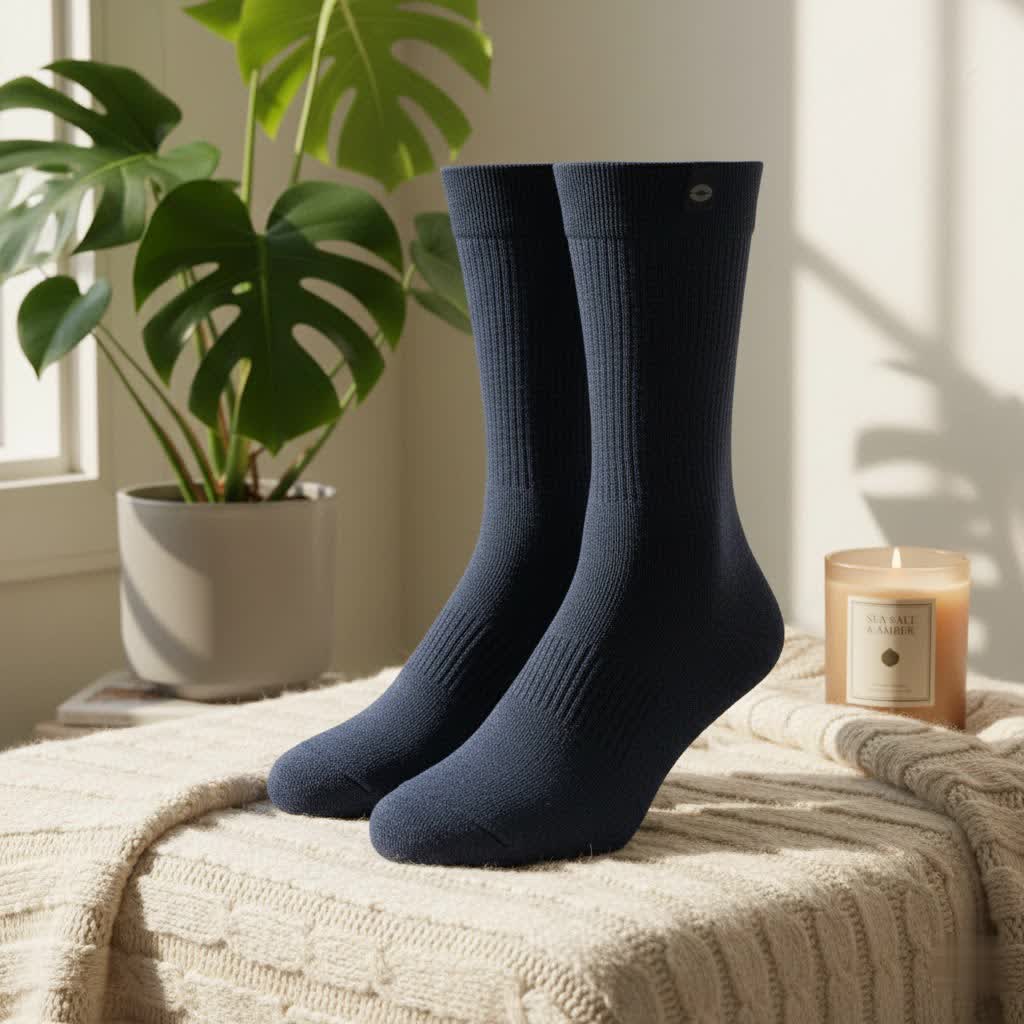
Compression socks are specially designed hosiery that apply gentle pressure to your legs and ankles. This pressure helps improve blood flow from your lower extremities back to your heart, preventing blood from pooling in your legs and feet. They are often referred to as compression stockings or support stockings, with “graduated compression stockings” specifically indicating that the pressure is strongest at the ankle and gradually decreases towards the top of the sock. This gradient compression is key to their effectiveness in boosting circulation.
Benefits of Compression Socks
The advantages of wearing compression socks extend across various lifestyles and health needs, offering significant relief and preventative care.
- Improved Blood Circulation: By gently compressing the veins in your legs, compression socks help push deoxygenated blood back towards the heart, enhancing overall circulation. This can prevent blood from pooling in the lower legs, which often leads to discomfort.
- Reduced Swelling and Edema: Many individuals experience swelling (edema) in their feet and ankles, especially after prolonged standing, sitting, or during travel. Compression socks counteract this by applying external pressure, which helps fluid move out of the swollen areas.
- Alleviation of Muscle Fatigue and Soreness: Athletes frequently use compression socks to reduce muscle vibration during activity and to aid in recovery. The improved blood flow helps deliver oxygen and nutrients to muscles more efficiently while clearing metabolic waste, leading to less fatigue and quicker recovery times after strenuous exercise.
- Support for Venous Conditions: For those with conditions like varicose veins, spider veins, or chronic venous insufficiency, compression socks provide essential support. They help manage symptoms, reduce pain, and prevent the progression of these conditions by assisting compromised veins.
- Prevention of Deep Vein Thrombosis (DVT): During long flights or extended periods of immobility, the risk of developing blood clots (DVT) increases. Compression socks help maintain consistent blood flow, significantly lowering this risk.
Who Should Use Compression Socks?
Compression socks are beneficial for a diverse range of individuals, addressing various needs from daily comfort to medical support.
- People Who Stand or Sit for Extended Periods: Healthcare professionals, retail workers, office employees, and travelers often experience leg fatigue and swelling. Compression socks offer vital support, keeping legs energized and comfortable throughout the day.
- Athletes and Fitness Enthusiasts: From runners to weightlifters, athletes use compression socks during and after workouts to enhance performance, reduce muscle oscillation, and accelerate recovery by improving blood flow and reducing soreness.
- Pregnant Women: Pregnancy often leads to increased blood volume and pressure on leg veins, causing swelling and discomfort. Compression socks can effectively alleviate these symptoms, providing much-needed relief.
- Individuals with Circulatory Issues: Those suffering from conditions such as varicose veins, chronic venous insufficiency, or a history of deep vein thrombosis (DVT) can benefit greatly from the improved circulation and support offered by compression socks, often under medical guidance.
- Long-Haul Travelers: Whether by plane, car, or train, extended periods of immobility can increase the risk of leg swelling and DVT. Compression socks are a simple yet effective preventative measure for travel.
Types of Compression Socks
Compression socks come in various forms, tailored to different needs and preferences. Understanding the classifications by compression level, length, and material is key to selecting the right pair.
By Compression Level (mmHg)
The compression level, measured in millimeters of mercury (mmHg), indicates the amount of pressure applied.
- Mild Compression (8-15 mmHg / 10-15 mmHg): Ideal for everyday wear, minor aches, slight swelling, and preventive care during travel or prolonged sitting/standing.
- Moderate Compression (15-20 mmHg): A popular choice for daily support, travel, mild varicose veins, and pregnancy-related swelling. They offer noticeable support without being overly restrictive.
- Firm Compression (20-30 mmHg): Often recommended for athletes seeking performance enhancement and recovery, moderate varicose veins, post-surgical recovery, and managing more significant swelling.
- Extra Firm/Prescription Compression (30-40+ mmHg): These higher compression levels are typically used for more severe medical conditions, such as lymphedema, severe varicose veins, or post-thrombotic syndrome, and usually require a doctor’s recommendation or prescription.
|
Our Picks for the Best Compression Socks in 2026
As an Amazon Associate I earn from qualifying purchases.
|
||
| Num | Product | Action |
|---|---|---|
| 1 | MONFOOT Compression Socks for Men & Women, 15-20 mmHg (3 Pairs) - Best Circulation socks for Nurses, Athletic, Travel |

|
| 2 | CHARMKING Compression Socks for Women & Men Circulation (3 Pairs) 15-20 mmHg is Best Support for Athletic Running Cycling |
|
| 3 | FITRELL 3 Pairs Compression Socks for Women and Men 20-30mmHg-Circulation Support Socks |
|
| 4 | CHARMKING Compression Socks for Women & Men Circulation (3 Pairs) 15-20 mmHg is Best Support for Athletic Running Cycling |
|
| 5 | FITRELL 3 Pairs Compression Socks for Women and Men 20-30mmHg-Circulation Support Socks |
|
| 6 | CHARMKING Compression Socks for Women & Men Circulation (3 Pairs) 15-20 mmHg is Best Support for Athletic Running Cycling |
|
| 7 | CHARMKING Compression Socks for Women & Men Circulation (3 Pairs) 15-20 mmHg is Best Support for Athletic Running Cycling |
|
| 8 | CHARMKING Compression Socks for Women & Men Circulation (3 Pairs) 15-20 mmHg is Best Support for Athletic Running Cycling |
|
| 9 | FITRELL 3 Pairs Compression Socks for Women and Men 20-30mmHg-Circulation Support Socks |
|
| 10 | FITRELL 3 Pairs Compression Socks for Women and Men 20-30mmHg-Circulation Support Socks |
|
By Length
The length of the sock determines the area of the leg that receives compression.
- Ankle/No-Show Socks: Primarily for mild foot swelling or tired feet, often worn with low-top shoes for everyday comfort.
- Crew/Mid-Calf Socks: Extend to the mid-calf, providing support to the foot, ankle, and lower calf. Popular for athletes and general daily wear.
- Knee-High Socks: The most common length, reaching just below the knee. They cover the entire calf, effectively managing poor circulation, varicose veins, and swelling.
- Thigh-High Stockings: Extend above the knee to the mid-thigh, offering comprehensive compression for the entire leg. Often used for more extensive venous issues or by some athletes.
By Material
The material affects comfort, breathability, durability, and specific performance features.
- Nylon and Spandex Blends: Common for their elasticity, durability, and moisture-wicking properties, offering a snug yet flexible fit.
- Cotton Blends: Known for softness and breathability, good for everyday comfort.
- Merino Wool: Offers excellent temperature regulation, moisture-wicking, and natural odor resistance, making it suitable for varying climates and prolonged wear.
- Bamboo Rayon: Soft, breathable, and often moisture-wicking, providing a comfortable feel.
- Copper-Infused: Claimed to have antimicrobial properties and aid in recovery, often found in athletic or recovery socks.
Choosing the Right Compression Socks
Selecting the perfect pair of compression socks involves considering your specific needs and ensuring a proper fit.
Determine Your Purpose
Your primary reason for wearing compression socks will guide your choice. Are you looking for daily comfort, athletic recovery, travel support, or managing a medical condition? This will help you narrow down the appropriate compression level and style. For instance, daily wear often benefits from mild to moderate compression, while athletic recovery might call for firm compression.
Accurate Sizing is Crucial
Unlike regular socks, precise measurements are vital for compression socks to be effective and comfortable. Incorrect sizing can lead to either insufficient compression or excessive tightness, causing discomfort or even restricting blood flow.
- Measure in the Morning: Your legs are typically least swollen in the morning, making it the ideal time for accurate measurements.
- Calf Circumference: Measure the widest part of your calf. This is often the most important measurement for knee-high socks.
- Ankle Circumference: Measure the narrowest part of your ankle, just above the ankle bone. This is where graduated compression is strongest.
- Shoe Size: While secondary to circumference measurements, your shoe size is also a factor, especially for foot length.
- Consult Sizing Charts: Always refer to the manufacturer’s specific sizing chart. Sizes can vary significantly between brands. If your measurements fall between sizes, it’s generally better to opt for the larger size for comfort, especially if you’re new to compression socks.
Select the Appropriate Compression Level
As discussed, compression levels range from mild to extra firm. If you have a specific medical condition, always consult with a healthcare professional to determine the exact mmHg level that is right for you. For general wellness, travel, or light athletic support, a mild to moderate level (8-20 mmHg) is usually suitable.
Choose Comfortable and Functional Materials
Consider what material properties are most important to you. Do you need maximum breathability and moisture-wicking for workouts? Or is warmth and softness for everyday comfort a priority? Nylon/spandex blends are versatile, while merino wool excels in temperature regulation and odor control.
Consider Length and Style
While often a personal preference, the length should also correlate with the area needing support. Knee-high socks are versatile for most general purposes. If you have conditions or concerns extending above the knee, thigh-high stockings might be necessary. Open-toe styles can be beneficial for larger feet or to accommodate foot conditions.
Top Picks – Best Rated Compression Socks
Based on extensive testing and user reviews, several brands consistently stand out for their quality, effectiveness, and comfort.
- Bombas Everyday Compression Socks: Highly praised for their comfortable, soft fabric blends (often cotton, polyester, nylon, elastane) and moderate 15-20 mmHg compression, making them ideal for daily wear, travel, and light activity. They are known for balancing support with all-day wearability.
- Physix Gear Sport Compression Socks: A popular choice for their firm 20-30 mmHg compression, often made from durable nylon and spandex. Users appreciate their effectiveness for fatigue relief, athletic recovery, and support during long days on your feet, including for wide calves.
- CEP Run 4.0 Tall Compression Socks: A favorite among athletes, offering a solid 20-30 mmHg of compression with cushioning and moisture-wicking properties. They are designed to enhance performance and significantly aid in recovery after intense workouts.
- Vim & Vigr Compression Socks: Known for their stylish designs and comfortable materials (including cotton, merino wool, nylon), often providing 15-20 mmHg graduated compression. They are favored for everyday wear and travel, combining therapeutic benefits with aesthetic appeal.
- SockWell Graduated Compression Socks: These socks often feature a blend of merino wool and bamboo rayon, providing excellent temperature regulation and softness. They come in various compression levels, with 20-30 mmHg options well-regarded for reducing fatigue during travel or prolonged standing.
- LEVSOX Compression Socks: Frequently noted for their ultra-comfortable feel and effective 20-30 mmHg compression, often made from a silky smooth nylon and spandex blend. They are praised for easy donning and significant relief from tired legs.
- Comrad Compression Socks: Valued for their moderate 15-20 mmHg compression and use of recycled cotton blends, making them a sustainable and comfortable choice for travelers, nurses, and pregnant individuals seeking effective fluid circulation support.
When choosing, remember to consider the specific features and compression level that align with your personal needs and activities.
How to Use and Care for Compression Socks
Proper usage and care are essential to maximize the lifespan and effectiveness of your compression socks.
How to Wear Compression Socks Correctly
Putting on compression socks, especially those with higher compression levels, can be tricky.
- Start in the Morning: Put them on when your legs are least swollen, typically right after waking up.
- Turn Inside Out (Optional): For easier donning, turn the sock inside out down to the heel pocket.
- Place Foot In: Insert your foot, guiding your heel into the heel pocket.
- Roll Up Gradually: Gently roll the sock up your leg, smoothing out any wrinkles as you go. Do not pull or bunch the material excessively, as this can create uneven compression.
- Smooth Out: Ensure the sock is smooth and free of creases from ankle to top; wrinkles can cause discomfort or skin irritation.
- Removing: Roll the top edge down towards your ankle, then gently peel the sock off inside out.
Washing and Storage
Proper cleaning maintains the elasticity and therapeutic properties of the fabric.
- Hand Wash or Gentle Cycle: Ideally, hand wash in cool water with mild soap. If using a machine, select a gentle cycle with cold water.
- Avoid Harsh Detergents: Do not use bleach, fabric softeners, or harsh chemicals, as these can break down the elastic fibers.
- Air Dry: Hang or lay flat to air dry. Avoid direct sunlight and never put them in a dryer, as high heat can damage the elastic and reduce compression effectiveness.
- Store Properly: Store them flat or loosely rolled to prevent stretching or damage.
Important Considerations
- Listen to Your Body: Compression socks should feel snug but never painful or excessively tight. If you experience numbness, tingling, or increased pain, remove them and consult a healthcare professional.
- Gradual Acclimation: If you are new to wearing compression socks, start by wearing them for a few hours a day and gradually increase the wear time as your legs acclimate.
- Regular Inspection: Check your socks regularly for signs of wear and tear, such as holes or loss of elasticity, which can diminish their effectiveness.
Conclusion
Compression socks offer a simple yet profound way to enhance leg health, comfort, and performance for a wide range of individuals. From boosting circulation and reducing swelling to aiding athletic recovery and supporting venous health, their benefits are undeniable. By understanding the different types, carefully measuring for the right fit, and choosing a compression level suited to your needs, you can unlock a new level of well-being for your legs. Investing in a high-quality, well-rated pair means embracing comfort and vitality for every journey, every workout, and every long day. Why wait to give your legs the support they deserve?
Frequently Asked Questions
What does “mmHg” mean in compression socks?
mmHg stands for “millimeters of mercury,” which is a unit used to measure pressure. In compression socks, it indicates the amount of pressure the sock exerts on your legs. A higher mmHg value signifies stronger compression, typically used for more significant medical or athletic needs.
How do graduated compression socks work?
Graduated compression socks are designed to be tightest at the ankle and gradually decrease in pressure as they move up the leg. This gradient helps to counteract gravity and promote blood flow back towards the heart, preventing pooling in the lower extremities and reducing swelling and fatigue.
Can I wear compression socks all day?
For most people using mild to moderate compression (8-20 mmHg) for daily comfort, travel, or light activity, wearing them all day is generally safe and beneficial. However, for higher compression levels or specific medical conditions, always consult a doctor regarding appropriate wear duration.
How do I know what size compression socks to buy?
To find the correct size, measure your calf’s widest circumference and your ankle’s narrowest circumference, ideally in the morning. Refer to the specific brand’s sizing chart, as these measurements are more critical than shoe size for ensuring proper and effective compression.
Are compression socks good for running?
Yes, many athletes, including runners, use compression socks. They can help reduce muscle vibration and fatigue during runs, potentially improve performance, and significantly aid in post-run recovery by enhancing blood flow and reducing soreness. Look for socks specifically designed for athletic use with appropriate compression levels.
How often should I replace my compression socks?
The lifespan of compression socks depends on their quality, frequency of wear, and care. Generally, they should be replaced every three to six months, as the elastic fibers can lose their compression effectiveness over time, even with proper care.
