Have you ever noticed those twisted, bulging veins just beneath the surface of your skin, often on your legs and feet? These are varicose veins, a common condition that can cause more than just cosmetic concerns. They can lead to discomfort, aching, and swelling, significantly impacting your daily life. If you’re experiencing these symptoms, you might have heard about compression socks as a potential solution. But what exactly are they, and how can they help manage the challenges of varicose veins?
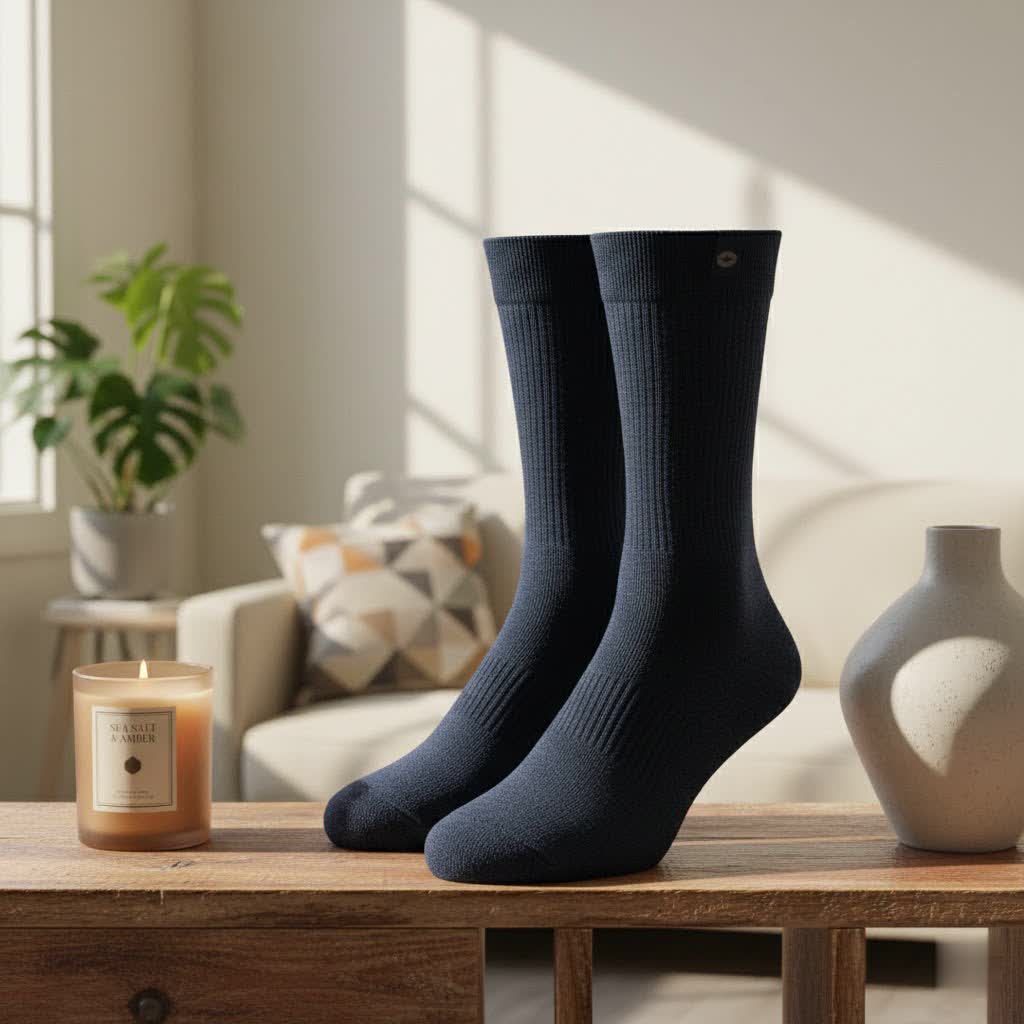
Compression socks are specially designed hosiery that applies gentle yet firm pressure to your legs. Unlike regular socks, they are engineered to be tightest at the ankle and gradually decrease in pressure as they move up the leg. This gradient compression plays a crucial role in supporting your circulatory system, specifically aiding the veins in returning blood to your heart. When the one-way valves in your veins, particularly in your legs, become weakened or damaged, blood can pool, leading to the characteristic appearance and symptoms of varicose veins. Compression socks work by providing external support to these compromised veins, helping to counteract gravity and improve blood flow. They essentially give your leg muscles and veins a gentle squeeze, encouraging blood to move efficiently and preventing it from collecting in the lower extremities.
Understanding Varicose Veins
Varicose veins are enlarged, swollen veins that often appear blue or dark purple. They can be lumpy, twisted, or cord-like, primarily affecting the legs and feet. This condition arises when the small, one-way valves inside your veins malfunction. Normally, these valves open to allow blood to flow towards your heart and then close to prevent it from flowing backward. When these valves become weak or damaged, they don’t close properly, causing blood to pool and pressure to build up, which in turn makes the veins swell and become visible.
While some individuals with varicose veins may not experience any physical discomfort, others report a range of bothersome symptoms. These can include a persistent aching or heavy sensation in the legs, noticeable swelling in the ankles and feet, a burning or throbbing feeling, and frequent muscle cramps, particularly at night. The skin over the affected veins may also become dry and itchy. Understanding these symptoms is the first step towards finding effective management strategies.
How Compression Socks Help Varicose Veins
Compression socks are a non-invasive, effective tool for managing the symptoms associated with varicose veins. Their primary mechanism involves enhancing blood circulation in the legs. By applying graduated pressure, with the most pressure at the ankle and lessening towards the knee or thigh, they help to narrow the diameter of superficial veins, which in turn increases the velocity of blood flow back towards the heart. This action is critical because it helps to reduce the pooling of blood in the lower legs, a hallmark of venous insufficiency.
The benefits of wearing compression socks for varicose veins are multifaceted:
- Improved Blood Flow: The graduated pressure directly assists the veins in pushing deoxygenated blood upwards, against gravity, back to the heart.
- Reduced Swelling and Edema: By preventing blood and fluid from accumulating in the lower extremities, compression socks significantly reduce swelling in the ankles and feet.
- Pain and Discomfort Relief: The supportive pressure alleviates the aching, heaviness, throbbing, and muscle cramps often associated with varicose veins.
- Prevention of Worsening Conditions: While they cannot cure varicose veins, compression socks can help prevent the progression of the condition and reduce the risk of complications such as skin changes and leg ulcers.
- Support for the Calf Muscle Pump: The calf muscles play a vital role in venous return. Compression socks provide external support to these muscles, amplifying their natural pumping action as you move.
It’s important to understand that compression socks manage symptoms and support vein health; they do not eliminate existing varicose veins. However, for many, they offer significant relief and improved quality of life.
Who Can Benefit from Compression Socks for Varicose Veins?
Compression socks are a valuable aid for a wide spectrum of individuals dealing with or at risk of varicose veins.
- Individuals with Diagnosed Varicose Veins: For those already living with varicose veins, compression socks can significantly alleviate symptoms like pain, swelling, heaviness, and aching legs.
- People with Chronic Venous Insufficiency (CVI): This underlying condition, where vein valves are damaged and struggle to return blood to the heart, is a primary reason for varicose veins. Compression socks are a cornerstone of CVI management.
- Those Who Stand or Sit for Prolonged Periods: Professions that require long hours of standing (nurses, teachers, retail workers) or sitting (office workers, long-haul drivers) can lead to blood pooling in the legs. Compression socks offer crucial support in these scenarios.
- Pregnant Women: Hormonal changes and increased blood volume during pregnancy can put extra strain on leg veins, often leading to varicose veins and swelling. Compression socks can provide comfort and prevent progression.
- Athletes: While often associated with recovery, some athletes use compression socks during and after exercise to improve blood flow, reduce muscle fatigue, and aid in quicker recovery.
- Long-Distance Travelers: Extended periods of immobility during flights or car journeys increase the risk of blood clots and swelling. Compression socks help maintain healthy circulation.
- Post-Surgery Patients: Following certain surgeries, particularly those involving the legs or abdomen, compression socks are often recommended to manage swelling and prevent deep vein thrombosis (DVT).
Always consult with a healthcare professional before beginning compression therapy, especially if you have existing medical conditions.
Classifying Compression Socks: Understanding Levels and Lengths
Compression socks are not one-size-fits-all; they come in various levels of compression and lengths, each designed for specific needs. The compression level is measured in millimeters of mercury (mmHg), indicating the amount of pressure exerted.
Compression Levels (mmHg)
- Mild Compression (8-15 mmHg or 15-20 mmHg): These are often available over-the-counter and are ideal for everyday use. They help relieve minor leg fatigue, slight swelling, and are beneficial for prolonged sitting or standing, or during travel to support general circulation.
- Moderate Compression (20-30 mmHg – Medical Grade 1): This is the first level of medical-grade compression. It’s frequently recommended for individuals with spider veins, mild to moderate varicose veins, leg heaviness, and swelling during pregnancy or post-surgery recovery.
- Firm Compression (30-40 mmHg – Medical Grade 2): Prescribed for more serious vein-related problems, such as severe varicose veins, lymphatic edema, and to assist in managing deep vein thrombosis (DVT). These provide substantial support and should typically be used under medical guidance.
- Extra-Firm Compression (40-50 mmHg – Medical Grade 3 and higher): This is the strongest level of compression, reserved for severe conditions like active leg ulcers and advanced lymphedema. These are highly specialized garments and always require a doctor’s prescription and fitting.
|
Our Picks for the Best Compression Socks in 2026
As an Amazon Associate I earn from qualifying purchases.
|
||
| Num | Product | Action |
|---|---|---|
| 1 | CHARMKING Compression Socks for Women & Men Circulation (3 Pairs) 15-20 mmHg is Best Support for Athletic Running Cycling |

|
| 2 | MONFOOT Compression Socks for Men & Women, 15-20 mmHg (3 Pairs) - Best Circulation socks for Nurses, Athletic, Travel |
|
| 3 | FITRELL 3 Pairs Compression Socks for Women and Men 20-30mmHg-Circulation Support Socks |
|
| 4 | FITRELL 3 Pairs Compression Socks for Women and Men 20-30mmHg-Circulation Support Socks |
|
| 5 | CHARMKING Compression Socks for Women & Men Circulation (3 Pairs) 15-20 mmHg is Best Support for Athletic Running Cycling |
|
| 6 | CHARMKING Compression Socks for Women & Men Circulation (3 Pairs) 15-20 mmHg is Best Support for Athletic Running Cycling |
|
| 7 | FITRELL 3 Pairs Compression Socks for Women and Men 20-30mmHg-Circulation Support Socks |
|
| 8 | FITRELL 3 Pairs Compression Socks for Women and Men 20-30mmHg-Circulation Support Socks |
|
| 9 | CHARMKING Compression Socks for Women & Men Circulation (3 Pairs) 15-20 mmHg is Best Support for Athletic Running Cycling |
|
| 10 | CHARMKING Compression Socks for Women & Men Circulation (3 Pairs) 15-20 mmHg is Best Support for Athletic Running Cycling |
|
Compression Sock Lengths
- Knee-High: The most popular and widely available length, extending just below the knee. They are easier to put on and remove and are effective for managing varicose veins and swelling in the lower leg. They are a common choice for daily wear.
- Thigh-High: These extend up to the mid-thigh. They are recommended when varicose veins or swelling extend above the knee or for preventing blood clots after specific surgeries. While offering broader coverage, some individuals find them more challenging to keep in place.
- Pantyhose/Waist-High: Covering the entire leg and waist, these are sometimes used for extensive varicose veins or during pregnancy when abdominal support is also desired.
Bảng So Sánh Các Loại Vớ Nén (Comparison of Compression Socks)
| Type of Sock | Compression (mmHg) | Length | Common Materials | Key Benefits | Considerations |
|---|---|---|---|---|---|
| Mild Support | 8-15 or 15-20 | Knee-High, Thigh-High | Cotton, Nylon, Spandex | Everyday comfort, travel, mild fatigue/swelling | Generally OTC, good for prevention |
| Moderate | 20-30 | Knee-High, Thigh-High | Nylon, Spandex, Merino Wool | Varicose/spider veins, pregnancy, post-op swelling | First medical grade, consult doctor for best fit |
| Firm | 30-40 | Knee-High, Thigh-High | Nylon, Spandex, more durable blends | Severe varicose veins, lymphedema, DVT management | Requires medical supervision/prescription |
| Extra-Firm | 40-50+ | Knee-High, Thigh-High | Highly durable, often specialized blends | Advanced venous/lymphatic conditions, wound care | Strictly prescription-only, specialized fitting |
Your Guide to Choosing the Right Compression Socks
Selecting the perfect pair of compression socks involves more than just picking a color. A proper fit and the right compression level are crucial for effectiveness and comfort.
- Consult a Healthcare Professional: This is the most important step, especially if you have existing medical conditions like varicose veins, chronic venous insufficiency, or arterial disease. A doctor can assess your condition, recommend the appropriate compression level (e.g., 20-30 mmHg), and even provide a prescription for medical-grade stockings.
- Accurate Measurement is Key: Compression socks are sized based on specific measurements of your leg. You’ll typically need to measure your ankle circumference (at the narrowest part), calf circumference (at the widest part), and sometimes thigh circumference and leg length. It’s best to take these measurements in the morning when swelling is minimal.
- Determine Your Purpose: Are you looking for daily relief from mild fatigue, support during travel, or a medical aid for significant varicose veins? Your primary goal will guide your choice of compression level and length.
- Consider Material and Comfort: Compression socks come in various materials, including cotton, nylon, spandex, merino wool, and bamboo rayon. Look for breathable, moisture-wicking, and durable fabrics that will be comfortable for extended wear. Some offer additional features like reinforced heels or arch support.
- Ease of Use: Higher compression levels can be challenging to put on. If dexterity is an issue, consider options with open toes or specialized donning aids.
Remember, a poorly fitting compression sock can be ineffective or even harmful. Do not roll down the top of your compression socks, as this creates a tourniquet effect that can impede circulation.
Top Picks: Features of Effective Compression Socks
When considering compression socks for varicose veins, look for brands known for quality, durability, and effective graduated compression. While specific brands can vary, here are features that define top-performing options:
- True Graduated Compression: The most effective socks apply the highest pressure at the ankle, gradually decreasing up the leg to promote optimal blood flow.
- Quality Materials: Look for blends that offer breathability, moisture-wicking properties, and durability, such as nylon, spandex, merino wool, or bamboo rayon. These materials ensure comfort and longevity.
- Anatomical Fit: Socks designed with a specific left and right foot, or with targeted arch and heel support, can provide a more comfortable and effective fit.
- Comfortable Top Band: A non-constricting, wide top band that stays in place without digging into the skin is essential for all-day wear.
- Doctor Recommended: Many reputable brands are recommended by vascular specialists for their efficacy in managing venous conditions.
“The right compression sock acts like an external support system for your veins, making it easier for your body to return blood to the heart and significantly reducing the common discomforts of varicose veins.”
Proper Usage and Care for Your Compression Socks
To maximize the benefits and extend the life of your compression socks, proper usage and care are essential.
How to Wear Compression Socks
- Timing: It’s often easiest to put on compression socks first thing in the morning when your legs have minimal swelling.
- Technique: Turn the sock inside out down to the heel pocket. Slip your foot into the foot portion, ensuring the heel is correctly positioned. Then, gradually roll the sock up your leg, smoothing out any wrinkles as you go. Never pull the sock up by the top band.
- Smooth Application: Ensure the sock lies flat against your skin, with no bunching, wrinkles, or rolling down of the top edge. These can create pressure points and hinder circulation.
How to Care for Your Compression Socks
- Washing: Wash your compression socks regularly (daily is often recommended) in lukewarm water, ideally between 86-100 degrees Fahrenheit (30-38 degrees Celsius), using a mild soap. Hand washing is often preferred, but many can be machine-washed on a gentle cycle in a mesh laundry bag.
- Drying: Air dry your socks by laying them flat or hanging them. Avoid using high heat from a dryer, as it can damage the elastic fibers and reduce the compression effectiveness.
- Replacement: Over time, the elastic fibers will wear out, and the socks will lose their therapeutic compression. It is generally recommended to replace compression socks every 3 to 6 months, or sooner if you notice a significant loss of elasticity.
While compression socks can typically be worn all day, it’s generally advised to remove them before bed, giving your legs a break unless otherwise instructed by your doctor.
Conclusion
Varicose veins, though common, can significantly impact your comfort and quality of life. Compression socks offer a straightforward and effective way to manage the associated symptoms, providing relief from aching, swelling, and fatigue. By gently supporting your circulatory system and promoting healthy blood flow, they help prevent blood from pooling in your lower extremities.
While compression socks are not a cure, they are a vital tool in the long-term management of varicose veins and other venous conditions. With various compression levels, lengths, and materials available, finding the right pair for your specific needs is entirely possible. However, the most crucial step is to consult with a healthcare professional to determine the best course of action for your individual situation.
Are you ready to give your legs the support they deserve and step towards greater comfort?
Frequently Asked Questions
Can compression socks truly get rid of varicose veins?
No, compression socks cannot permanently eliminate varicose veins. They are a management tool designed to alleviate symptoms, prevent the condition from worsening, and improve blood circulation by supporting the veins. Once removed, the underlying issue remains, and symptoms may return if not addressed by other medical treatments.
What compression level is best for varicose veins?
For mild to moderate varicose veins, a moderate compression level of 20-30 mmHg (Medical Grade 1) is often recommended. For more severe cases, or if you have complications like leg ulcers, higher compression levels (30-40 mmHg or above) may be prescribed by a doctor. Always consult with a healthcare professional to determine the most appropriate level for your condition.
How long should I wear compression socks daily?
Typically, compression socks should be worn throughout the day, from when you wake up until you go to bed. This provides continuous support to your veins while you are upright and active. Unless advised differently by a doctor for specific medical reasons, it is generally recommended to remove them at night.
Are there any risks or side effects to wearing compression socks?
While generally safe, compression socks are not suitable for everyone. Individuals with severe arterial disease, certain skin conditions, or nerve damage may experience adverse effects. Improperly fitted or too-tight socks can also cause skin irritation or impede circulation. Always consult a doctor before starting compression therapy to ensure it’s appropriate for you.
