Do you often notice those fine, web-like patterns of red or blue veins appearing just beneath your skin, particularly on your legs? These are commonly known as spider veins, and while often considered a cosmetic concern, they can sometimes signal underlying circulatory issues or lead to discomfort. If you’re looking for an effective, non-invasive way to manage spider veins and promote overall leg health, compression socks might be the solution you’ve been seeking. They are a simple yet powerful tool designed to support your venous system, reduce symptoms, and even help prevent the progression of venous disorders.
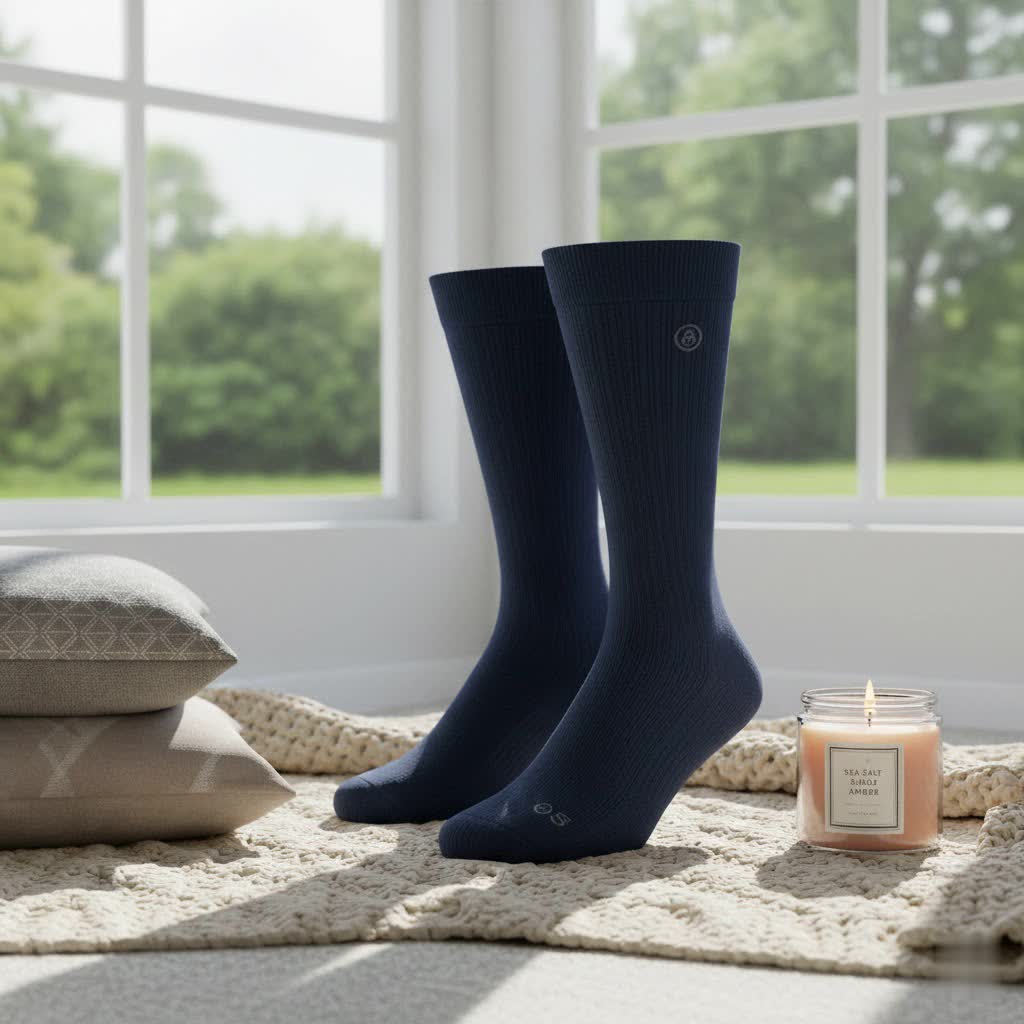
What Are Compression Socks?
Compression socks are specially designed garments that apply gradual pressure to your legs. This pressure is strongest at the ankle and progressively decreases as it moves up the leg. This “graduated compression” is key to their effectiveness, as it helps counteract the effects of gravity, gently squeezing vein walls together to encourage blood flow back towards the heart. Made from elastic materials like nylon, spandex, and various fabric blends, these socks are engineered to provide targeted support that aids in improving circulation and reducing venous pressure in the lower limbs.
For spider veins, the main purpose of compression socks is to enhance blood flow, prevent blood from pooling in the superficial veins, and alleviate associated symptoms like swelling and discomfort. They act as an external support system for your veins, making it easier for blood to circulate efficiently.
The Benefits of Compression Socks for Spider Veins
Wearing compression socks offers a multitude of benefits for individuals dealing with spider veins:
- Improved Blood Circulation: By applying graduated pressure, compression socks help push deoxygenated blood and waste fluids upward, preventing blood stagnation in the lower legs and promoting healthier circulation.
- Reduced Swelling and Discomfort: Spider veins can often lead to symptoms like aching, throbbing, heaviness, and swelling in the legs. Compression socks can significantly alleviate these discomforts by reducing fluid buildup and supporting overworked veins.
- Prevention of Further Issues: Regular use of compression socks can help prevent the formation of new spider veins and deter the progression of existing ones into more serious conditions like varicose veins or deep vein thrombosis (DVT). They strengthen the support for your venous system.
- Support After Treatments: If you’ve undergone procedures like sclerotherapy for spider veins, compression socks are often recommended post-treatment to aid in healing, reduce recurrence, and optimize outcomes by maintaining pressure on the treated veins.
- Reduced Leg Fatigue: For many, the improved circulation and reduced swelling translate to less fatigue, allowing you to stay on your feet longer and feel more energized throughout the day.
Who Should Use Compression Socks for Spider Veins?
Compression socks are a versatile tool beneficial for a wide range of individuals, especially those with or at risk of spider veins:
- Individuals with Visible Spider Veins: Even if your spider veins are currently asymptomatic, wearing compression socks can help manage their appearance and prevent future complications.
- People with Occupations Involving Prolonged Standing or Sitting: Professions that require long hours on your feet (like nurses, retail workers) or extended periods of sitting (office workers, long-haul travelers) can benefit greatly from the circulatory support.
- Athletes: Many athletes use compression socks for improved performance, reduced muscle fatigue during and after workouts, and faster recovery.
- Pregnant Women: Pregnancy often increases the risk of venous problems due to hormonal changes and increased pressure on leg veins. Compression socks can provide much-needed relief from swelling and discomfort.
- Individuals with Genetic Predisposition: If spider veins or varicose veins run in your family, wearing compression socks can be a proactive measure to maintain vein health.
- Post-Treatment Patients: As mentioned, they are crucial for recovery and maintaining results after medical procedures for spider or varicose veins.
Classifying Compression Socks
Understanding the different types of compression socks is crucial for selecting the right pair to address your specific needs related to spider veins. They are primarily categorized by their compression level and length.
By Compression Level (Measured in mmHg)
Compression levels indicate the amount of pressure the sock applies to the leg. Higher mmHg values mean firmer compression.
- Mild Compression (8-15 mmHg): This level offers light support, often suitable for minor discomfort, early stages of spider veins, or simply preventing tired, aching legs after long periods of sitting or standing. It’s also a good starting point for those new to compression therapy.
- Moderate Compression (15-20 mmHg): This is a commonly recommended level for daily wear, travel, and managing mild to moderate symptoms of spider veins, slight swelling, and general leg fatigue. Many over-the-counter options fall into this range.
- Firm Compression (20-30 mmHg): Often recommended for more pronounced spider veins, moderate varicose veins, significant swelling, or post-sclerotherapy treatment. This level provides substantial support and may require a doctor’s recommendation.
- Strong/Extra Firm Compression (30-40 mmHg and above): These are medical-grade compression socks typically prescribed by a doctor for severe venous insufficiency, DVT, lymphedema, or after extensive vein procedures. They offer the highest level of support and should only be used under medical supervision.
|
Our Picks for the Best Compression Socks in 2026
As an Amazon Associate I earn from qualifying purchases.
|
||
| Num | Product | Action |
|---|---|---|
| 1 | FITRELL 3 Pairs Compression Socks for Women and Men 20-30mmHg-Circulation Support Socks |

|
| 2 | CHARMKING Compression Socks for Women & Men Circulation (3 Pairs) 15-20 mmHg is Best Support for Athletic Running Cycling |
|
| 3 | CHARMKING Compression Socks for Women & Men Circulation (3 Pairs) 15-20 mmHg is Best Support for Athletic Running Cycling |
|
| 4 | FITRELL 3 Pairs Compression Socks for Women and Men 20-30mmHg-Circulation Support Socks |
|
| 5 | CHARMKING Compression Socks for Women & Men Circulation (3 Pairs) 15-20 mmHg is Best Support for Athletic Running Cycling |
|
| 6 | CHARMKING Compression Socks for Women & Men Circulation (3 Pairs) 15-20 mmHg is Best Support for Athletic Running Cycling |
|
| 7 | MONFOOT Compression Socks for Men & Women, 15-20 mmHg (3 Pairs) - Best Circulation socks for Nurses, Athletic, Travel |
|
| 8 | CHARMKING Compression Socks for Women & Men Circulation (3 Pairs) 15-20 mmHg is Best Support for Athletic Running Cycling |
|
| 9 | FITRELL 3 Pairs Compression Socks for Women and Men 20-30mmHg-Circulation Support Socks |
|
| 10 | FITRELL 3 Pairs Compression Socks for Women and Men 20-30mmHg-Circulation Support Socks |
|
By Length
The length of the compression sock depends on where the venous issues are located and personal preference.
- Knee-High: The most popular length, extending just below the knee. Ideal for most spider veins and general leg support, as they effectively address issues in the lower legs and calves.
- Thigh-High: These extend up to the thigh. They are used when spider veins or venous issues are present above the knee or for greater overall leg support.
- Pantyhose/Waist-High: Covering the entire leg and waist, these are suitable for widespread venous issues or during pregnancy for abdominal support.
By Material
Compression socks come in various materials designed for comfort, breathability, and durability. Common materials include:
- Nylon and Spandex: Offer excellent elasticity, durability, and a smooth feel.
- Cotton Blends: Provide softness and breathability, often preferred for everyday comfort.
- Merino Wool: Known for its temperature-regulating properties, keeping legs warm in cool weather and cool in warm weather, as well as being moisture-wicking.
- Bamboo Rayon: Offers softness, breathability, and moisture-wicking capabilities.
Comparison of Common Compression Sock Types
Choosing the right compression sock involves balancing compression level, length, and material with your specific needs. Here’s a generalized comparison:
| Type of Compression Sock | Compression (mmHg) | Length | Material (Common) | Key Advantages | Considerations |
|---|---|---|---|---|---|
| Mild Support | 8-15 | Knee-high | Cotton/Nylon blend | Everyday comfort, light fatigue relief | Less effective for significant swelling/spider veins |
| Moderate Support | 15-20 | Knee-high | Nylon/Spandex | Good for daily wear, travel, mild swelling/spider veins | May feel tight initially |
| Firm Support | 20-30 | Knee-high | Spandex/Synthetic | Effective for pronounced spider veins, post-treatment | Can be challenging to put on and take off |
| Thigh-High | 15-20 or 20-30 | Thigh-high | Nylon/Spandex | Covers upper leg veins, greater overall support | Can roll down, may be less comfortable in hot weather |
| Athletic | 15-25 | Knee-high | Spandex/Synthetics | Performance, recovery, moisture-wicking | Often specialized for activity, not medical issues |
How to Choose the Right Compression Socks for You
Selecting the perfect pair of compression socks is a personalized process. Consider these steps:
- Consult Your Doctor: For anything beyond mild compression or if you have underlying health conditions, always speak with a healthcare professional. They can recommend the appropriate compression level and length based on your specific venous health.
- Determine Your Purpose: Are you looking for daily preventative support, relief from mild symptoms, post-treatment care, or support during travel or athletic activity? Your primary goal will guide your choice.
- Measure Your Legs Accurately: This is perhaps the most critical step. Measurements should ideally be taken in the morning when swelling is minimal. You’ll typically need measurements of your ankle circumference (narrowest part), calf circumference (widest part), and sometimes thigh circumference and leg length (from heel to below the knee or thigh) for knee-high and thigh-high options, respectively. Most brands provide sizing charts.
- Choose the Right Compression Level: Based on your doctor’s advice and your symptoms, select the appropriate mmHg level.
- Consider Length and Style: Knee-high socks are often easiest to manage for most spider vein issues. For higher veins or personal preference, thigh-highs or pantyhose might be necessary.
- Evaluate Material and Features: Look for breathable, moisture-wicking fabrics for comfort. Features like seamless toes, cushioned soles, and non-binding cuffs can also enhance the wearing experience.
Top Picks: Reputable Compression Sock Brands
While specific product recommendations can vary, several brands are consistently recognized for their quality and effectiveness in the compression therapy market. When choosing, look for brands known for graduated compression, durable materials, and a good range of sizes. Some well-regarded brands include:
- Jobst
- Mediven
- CEP
- Sigvaris
- Sockwell
- Wellow
- Smartwool
- Bombas
- Physix Gear
Always prioritize fit and comfort, and remember that even the best brand won’t be effective if it doesn’t fit correctly or isn’t worn consistently.
How to Use and Care for Your Compression Socks
To maximize the benefits and lifespan of your compression socks, proper usage and care are essential:
How to Wear Them
- Morning Application: It’s best to put on compression socks first thing in the morning, before any significant swelling occurs in your legs.
- Smooth Them On: Gather the sock down to the heel, slip your foot in, and gradually roll or pull it up your leg. Ensure there are no wrinkles or bunching, as these can create pressure points.
- Proper Fit: The sock should feel snug but not painfully tight or restrictive. It should not cause tingling, numbness, or discoloration of your toes.
- Daily Wear: Wear them throughout the day while you are active and on your feet. Remove them before going to bed.
How to Care for Them
- Hand Wash Recommended: Most compression socks benefit from hand washing in cool water with a mild detergent.
- Gentle Cycle (If Machine Washing): If using a machine, place them in a mesh laundry bag on a gentle cycle to prevent stretching or damage.
- Air Dry: Always air dry your compression socks. Avoid direct heat from dryers, as this can break down the elastic fibers and reduce their compression effectiveness.
- Replace Regularly: The elastic in compression socks wears out over time, typically every 3 to 6 months with daily wear and washing. Replace them when you notice a decrease in compression or fit.
Important Considerations
- Do not fold or roll down the top of your compression socks, as this can create a tourniquet effect and hinder circulation.
- If you experience any skin irritation, pain, or discomfort that doesn’t subside, remove the socks and consult your doctor.
- Compression socks are a management tool, not a cure, for spider veins. For permanent removal or severe conditions, discuss other treatment options with a vein specialist.
“Compression socks are a foundational, non-invasive approach to managing spider veins, offering tangible relief and preventative benefits for countless individuals.” — Dr. Eleanor Vance, Vascular Health Specialist
Conclusion
Spider veins, while often a cosmetic concern, can also be an early indicator of underlying venous issues and contribute to leg discomfort. Compression socks provide a simple, effective, and accessible solution to support your circulatory health. By promoting proper blood flow, reducing swelling, and alleviating symptoms like aching and heaviness, they empower you to move through your day with greater comfort and confidence. When chosen correctly and worn consistently, these specialized socks can significantly improve your quality of life, help prevent the progression of venous disease, and support overall leg wellness. Don’t let spider veins hold you back—explore the benefits of compression therapy today.
Have you considered how a simple change like compression socks could impact your daily comfort and long-term vein health?
Frequently Asked Questions
Can compression socks make spider veins disappear?
No, compression socks do not make spider veins disappear. They are a conservative management tool that helps improve circulation, reduce symptoms like swelling and aching, and prevent the formation of new spider veins or the worsening of existing ones. For cosmetic removal, treatments like sclerotherapy are typically needed.
What compression level is best for spider veins?
For mild spider veins and general preventative support, 15-20 mmHg (moderate compression) is often recommended. For more pronounced spider veins or after specific vein treatments, 20-30 mmHg (firm compression) may be advised. Always consult a healthcare professional to determine the most appropriate compression level for your individual condition.
How long should I wear compression socks each day?
It is generally recommended to wear compression socks throughout the day while you are awake and active. Put them on in the morning before any swelling begins and remove them before going to bed at night. Consistent daily wear provides the most benefit for managing spider vein symptoms and supporting circulation.
Can I wear compression socks if I don’t have spider veins?
Yes, many people without spider veins wear compression socks for various benefits, such as preventing leg fatigue during long periods of standing or sitting, during travel to prevent DVT, or for athletic performance and recovery. Mild compression levels (8-15 mmHg) are suitable for general wellness and prevention.
Are there any side effects to wearing compression socks?
When properly fitted, side effects are rare. However, if socks are too tight, they can cause discomfort, skin irritation, or restrict circulation. Some individuals might experience itching or redness. If you notice any persistent discomfort, numbness, skin changes, or pain, discontinue use and consult your doctor.
