Do you wake up with that dreaded stabbing heel pain, making your first steps of the day an agony? You’re not alone. Plantar fasciitis, a common cause of heel pain affecting millions, can turn simple daily activities into a painful ordeal. Fortunately, advancements in footwear technology offer a powerful ally in managing this condition: plantar compression socks. This article will delve into everything you need to know about these specialized socks, from how they work to choosing the best pair for lasting relief and improved foot health.
What Are Plantar Compression Socks?
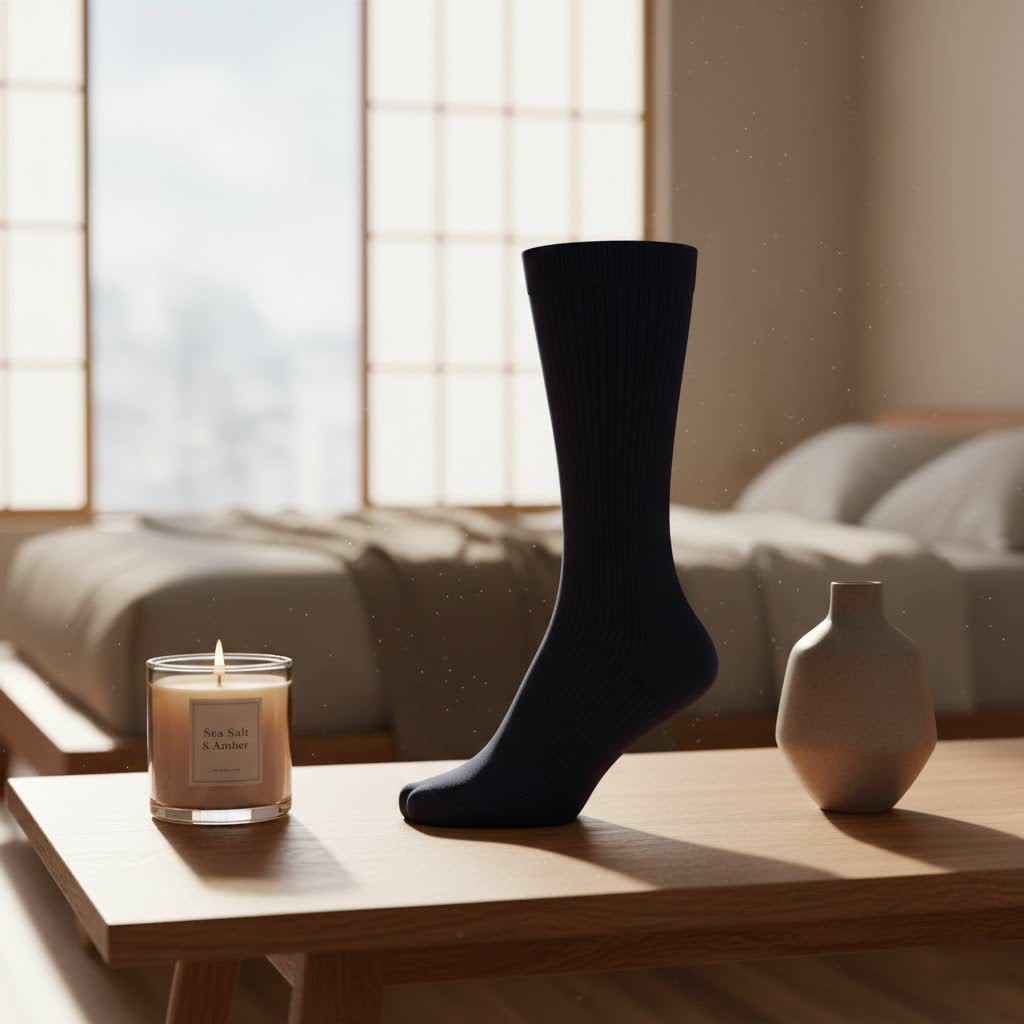
Plantar compression socks are specially designed hosiery that apply targeted pressure to the foot, focusing on the arch and heel areas. Unlike general compression socks that typically provide graduated pressure up the calf to improve overall circulation, plantar-specific socks concentrate their compression to support the plantar fascia ligament and surrounding tissues. This targeted pressure helps to reduce inflammation, improve local blood flow, and provide crucial arch support, which are key in alleviating the symptoms of plantar fasciitis.
Benefits of Plantar Compression Socks
The advantages of incorporating plantar compression socks into your daily routine extend beyond simple comfort, offering a range of therapeutic benefits:
- Reduces Pain and Discomfort: By applying gentle yet firm pressure, these socks can significantly lessen the sharp, stabbing pain associated with plantar fasciitis, particularly the intense heel pain often experienced in the morning. They stabilize the foot and keep the plantar fascia slightly stretched, preventing the abrupt lengthening that causes morning pain.
- Decreases Swelling and Inflammation: The focused compression helps to minimize swelling by encouraging excess fluid to drain from the affected tissues, thereby reducing inflammation in the plantar fascia.
- Improves Blood Circulation: Compression promotes healthier blood flow, ensuring oxygen-rich blood reaches the inflamed area while assisting in the removal of de-oxygenated blood and metabolic waste. This enhanced circulation supports faster healing.
- Provides Arch Support: Many plantar compression socks are engineered with integrated arch support, which helps to alleviate strain on the plantar fascia ligament, offering stability throughout the day, even without shoes.
- Aids in Muscle Recovery: For athletes and active individuals, these socks can help reduce muscle strain and fatigue, promoting quicker recovery after physical activity by increasing blood flow and oxygen delivery to the muscles.
- Prevents Fatigue: By supporting the feet and improving circulation, plantar compression socks can keep your feet from feeling tired and achy, especially after long hours of standing or walking.
Who Should Use Plantar Compression Socks?
Plantar compression socks are a versatile tool beneficial for a wide array of individuals. They are particularly valuable for:
- Individuals with Plantar Fasciitis or Heel Pain: This is their primary target audience, offering direct relief for inflammation and discomfort in the plantar fascia.
- Athletes and Runners: Used both during activity to support the foot and improve performance, and post-activity to aid recovery, reduce soreness, and prevent conditions like shin splints.
- People Who Stand or Sit for Long Periods: Those in professions requiring prolonged standing (e.g., healthcare workers, retail staff) or extended sitting (e.g., office workers, frequent travelers) can benefit from improved circulation and reduced fatigue.
- Pregnant Women: To alleviate swelling and discomfort often experienced in the feet and ankles during pregnancy.
- Individuals with Mild Foot Swelling or Poor Circulation: To manage general foot fatigue and support vascular health.
- Those Seeking to Prevent Recurrence: Consistent use can help prevent plantar fasciitis symptoms from returning, particularly after successful treatment.
Types of Plantar Compression Socks
Plantar compression socks come in various forms, each offering distinct features tailored to different needs:
By Compression Level (mmHg)
The level of compression is measured in millimeters of mercury (mmHg) and indicates the pressure exerted on the foot.
- Mild Compression (8-15 mmHg): Offers light support for general comfort, minor foot fatigue, and very mild swelling. Suitable for daily wear for those new to compression.
- Moderate Compression (15-20 mmHg): A common starting point for plantar fasciitis. This level is effective for relieving tired, aching feet, reducing lower body swelling, improving circulation, and aiding recovery from physical activity. Many over-the-counter plantar compression socks fall into this range.
- Firm Compression (20-30 mmHg): Often considered medical-grade compression, this level provides more robust support for moderate to severe plantar fasciitis symptoms, significant swelling, and for use under medical supervision.
- Extra Firm (30-40 mmHg+): Typically prescribed by a doctor for severe conditions and should only be used with professional guidance.
|
Our Picks for the Best Compression Socks in 2026
As an Amazon Associate I earn from qualifying purchases.
|
||
| Num | Product | Action |
|---|---|---|
| 1 | FITRELL 3 Pairs Compression Socks for Women and Men 20-30mmHg-Circulation Support Socks |

|
| 2 | FITRELL 3 Pairs Compression Socks for Women and Men 20-30mmHg-Circulation Support Socks |
|
| 3 | CHARMKING Compression Socks for Women & Men Circulation (3 Pairs) 15-20 mmHg is Best Support for Athletic Running Cycling |
|
| 4 | CHARMKING Compression Socks for Women & Men Circulation (3 Pairs) 15-20 mmHg is Best Support for Athletic Running Cycling |
|
| 5 | FITRELL 3 Pairs Compression Socks for Women and Men 20-30mmHg-Circulation Support Socks |
|
| 6 | CHARMKING Compression Socks for Women & Men Circulation (3 Pairs) 15-20 mmHg is Best Support for Athletic Running Cycling |
|
| 7 | FITRELL 3 Pairs Compression Socks for Women and Men 20-30mmHg-Circulation Support Socks |
|
| 8 | MONFOOT Compression Socks for Men & Women, 15-20 mmHg (3 Pairs) - Best Circulation socks for Nurses, Athletic, Travel |
|
| 9 | CHARMKING Compression Socks for Women & Men Circulation (3 Pairs) 15-20 mmHg is Best Support for Athletic Running Cycling |
|
| 10 | CHARMKING Compression Socks for Women & Men Circulation (3 Pairs) 15-20 mmHg is Best Support for Athletic Running Cycling |
|
By Length and Style
While “plantar” specifically refers to the foot, the socks themselves can vary in length:
- Ankle Socks/Foot Sleeves: These are the most common type for plantar fasciitis, focusing compression directly on the foot, arch, and heel. They can be worn discreetly with most shoes.
- Crew Socks: Extend up the calf, offering both plantar fasciitis relief and the benefits of graduated compression for the lower leg.
- Mid-Calf/Knee-High Socks: Provide comprehensive compression for the entire lower leg, beneficial for those with additional calf or shin issues alongside plantar fasciitis.
By Material
The material significantly impacts comfort, durability, and performance.
- Nylon and Spandex Blends: These are highly popular for their elasticity, strength, and ability to maintain consistent compression. They are often moisture-wicking and durable, making them ideal for active use and long wear.
- Polyester: Known for durability and moisture-wicking properties, often combined with spandex for stretch.
- Merino Wool: Offers natural temperature regulation, breathability, and anti-odor properties, providing comfort in various climates.
- Cotton: While soft, cotton tends to absorb moisture and can lose its elasticity and supportive qualities when wet, making it less ideal for sustained compression, though sometimes used for casual wear.
Bảng So Sánh Các Loại Vớ Nén (Compression Socks)
| Type of Sock | Compression (mmHg) | Length/Style | Key Materials | Primary Benefit | Suitability |
|---|---|---|---|---|---|
| Plantar Fasciitis Ankle Sleeve | 15-30 | Ankle/Foot | Nylon, Spandex, Polyester | Targeted arch & heel support, pain/swelling relief | Plantar fasciitis, heel spurs, discreet wear |
| Athletic Crew Sock | 15-25 | Crew | Nylon, Spandex, Merino Wool | Performance, recovery, arch support, calf compression | Runners, athletes, active individuals with foot/calf pain |
| Daily Wear Mid-Calf | 8-20 | Mid-Calf | Nylon, Spandex, Cotton blends | General circulation, mild swelling, all-day comfort | Standing/sitting for long periods, travel, mild fatigue |
How to Choose the Right Plantar Compression Socks (Buying Guide)
Selecting the ideal pair of plantar compression socks is crucial for maximizing their effectiveness and comfort. Consider these factors:
- Identify Your Purpose: Are you seeking relief from existing plantar fasciitis pain, preventing recurrence, enhancing athletic performance, or simply reducing daily foot fatigue and swelling? Your primary goal will guide your choice.
- Accurate Sizing is Key: Compression socks must fit snugly without being uncomfortably tight or causing circulation issues. Measure your foot circumference, especially around the arch and ankle, and refer to the manufacturer’s sizing chart. Incorrect sizing can reduce effectiveness or cause discomfort.
- Choose the Appropriate Compression Level: For plantar fasciitis, moderate (15-20 mmHg) to firm (20-30 mmHg) compression is generally recommended. If you’re new to compression, starting with moderate is often advised. For severe pain or underlying medical conditions, consult a healthcare professional for guidance on the ideal mmHg level.
- Prioritize Material and Fabric: Look for breathable, moisture-wicking materials like nylon, spandex, or merino wool blends. These fabrics help keep your feet dry, prevent odor, and maintain consistent compression throughout the day. Avoid cotton-heavy socks for prolonged wear as they can retain moisture and lose their shape.
- Look for Targeted Support Zones: Effective plantar compression socks often feature distinct compression zones, with firmer pressure around the arch and heel for maximum benefit to the plantar fascia. Some may also include light cushioning in critical areas.
- Consider Doctor’s Recommendations: If you have severe plantar fasciitis or other circulatory concerns, always consult your doctor or a podiatrist before selecting compression socks. They can offer personalized advice and medical-grade recommendations.
Top Picks – Best Plantar Compression Socks Brands
The market offers several reputable brands known for their effective plantar compression socks. While individual preferences vary, some consistently receive high praise for quality, durability, and effectiveness:
- OrthoSleeve (e.g., FS6 Compression Foot Sleeve): Highly recommended by podiatrists for its medical-grade compression and six targeted zones designed to support the plantar fascia and cushion the heel. Known for anatomical design for left and right feet.
- Physix Gear Sport: Often cited for durability and athletic performance, offering graduated compression (often 20-30 mmHg) and excellent arch support. They are a popular choice for budget-friendly options with good quality.
- SB SOX: Trusted by many users, these socks provide consistent performance with 20-30 mmHg compression, a clinically proven support system, and breathable construction.
- CEP: A favorite among athletes, CEP offers medical-grade graduated compression (e.g., 18-22 mmHg) and excellent arch support, often in designs suitable for running and intense workouts.
- 2XU: Known for structured compression and superior arch support, particularly beneficial for runners dealing with foot problems like plantar fasciitis.
- Bombas: Offers comfortable ankle compression socks with targeted heel cushioning and moisture management, ideal for active individuals.
- Bitly: Often a bestseller, providing custom FlexAdapt compression and moisture-wicking fabric at an accessible price point.
When selecting a brand, consider reading user reviews, checking the specific features (like compression zones and material composition), and assessing if they align with your needs and budget.
How to Use and Care for Plantar Compression Socks
Proper usage and care are vital to getting the most out of your plantar compression socks and extending their lifespan.
How to Use
- Timing is Key: For optimal results, put on your compression socks first thing in the morning, before any swelling occurs. This helps contain swelling from the start of your day.
- Gentle Application: Roll the sock down to the foot and then gradually pull it up over your heel and arch, smoothing out any wrinkles. Ensure there is no bunching, especially around the ankle, as this can create excessive pressure.
- Consistent Wear: For significant relief, consistency is crucial. Many users wear them all day, removing them before bed. They can also be worn at night to alleviate morning heel pain, as they keep the plantar fascia slightly stretched during sleep. Aim for at least 3-4 hours of continuous wear, especially after strenuous activity.
- Listen to Your Body: While designed for comfort, if you experience any numbness, tingling, or increased pain, remove the socks and consult a doctor.
How to Care
- Hand Wash Recommended: To preserve elasticity and compression integrity, hand washing in cold water with a mild detergent is often recommended.
- Machine Wash (Delicate): If machine washing, use a delicate cycle with cold water. Place socks in a mesh laundry bag to prevent snagging.
- Avoid Harsh Chemicals: Do not use bleach, fabric softeners, or harsh detergents, as these can break down the elastic fibers.
- Air Dry: Always air dry your compression socks. High heat from a dryer can damage the elastic and reduce the effectiveness of the compression. Lay them flat or hang them to dry away from direct sunlight or heat sources.
- Regular Replacement: Compression socks lose their elasticity over time, typically requiring replacement every six months to a year, depending on frequency of use and care.
“Compressing the plantar fascia will help with both pain and inflammation of the affected ligament.” – Dr. Melissa Lockwood, Podiatrist, Heartland Foot and Ankle Associates
Conclusion
Plantar compression socks are a powerful and accessible tool in the battle against heel and foot pain, particularly for those suffering from plantar fasciitis. By delivering targeted compression, these specialized socks work to reduce inflammation, enhance circulation, and provide essential arch support, transforming painful mornings and long days into opportunities for greater comfort and mobility. Choosing the right pair involves understanding compression levels, materials, and ensuring a proper fit, while consistent use and proper care will ensure their effectiveness. Investing in plantar compression socks is an investment in your foot health and overall well-being. How will plantar compression socks transform your daily comfort and activity levels?
Frequently Asked Questions
Can I wear plantar compression socks at night?
Yes, wearing plantar compression socks at night can be highly beneficial for individuals experiencing morning heel pain. The gentle compression helps keep the plantar fascia ligament in a slightly stretched position while you sleep, preventing the abrupt shortening and painful stretching that often occurs with the first steps out of bed.
Are plantar compression socks different from regular compression socks?
While both types of socks use compression, plantar compression socks are specifically designed with targeted pressure zones around the arch and heel. This focused compression directly addresses the inflamed plantar fascia, providing support and pain relief unique to this condition, whereas regular compression socks typically offer graduated pressure up the leg for overall circulation.
What mmHg is best for plantar fasciitis?
For most individuals with plantar fasciitis, a compression level between 15-30 mmHg is recommended. Moderate compression (15-20 mmHg) is a good starting point for general relief and daily wear, while firm compression (20-30 mmHg) offers more therapeutic support, often considered medical-grade. Always consult a healthcare professional for personalized advice.
How long should I wear plantar compression socks?
For optimal results, consistent wear is key. Many people wear their plantar compression socks all day, removing them at night. Aim for at least 3-4 hours at a time, especially during periods of activity or after exercise. They can also be worn overnight to alleviate morning pain. Replace socks every 6-12 months as their elasticity diminishes.
Can compression socks cure plantar fasciitis?
No, compression socks do not cure plantar fasciitis. They are an effective management tool that significantly alleviates symptoms by reducing pain, swelling, and providing support to the plantar fascia. Compression socks should be part of a broader treatment plan that may include stretching, proper footwear, rest, and medical consultation if symptoms are severe or persistent.
