Living with edema, the uncomfortable swelling caused by fluid retention, can significantly impact daily life, making even simple tasks feel challenging. The persistent heaviness and discomfort in your legs and feet often lead individuals to seek effective solutions. This comprehensive guide will delve into how compression socks for edema offer a practical and powerful way to manage swelling, improve circulation, and enhance your overall well-being. By applying gentle, graduated pressure, these specialized socks can provide much-needed relief and support for those experiencing fluid buildup.
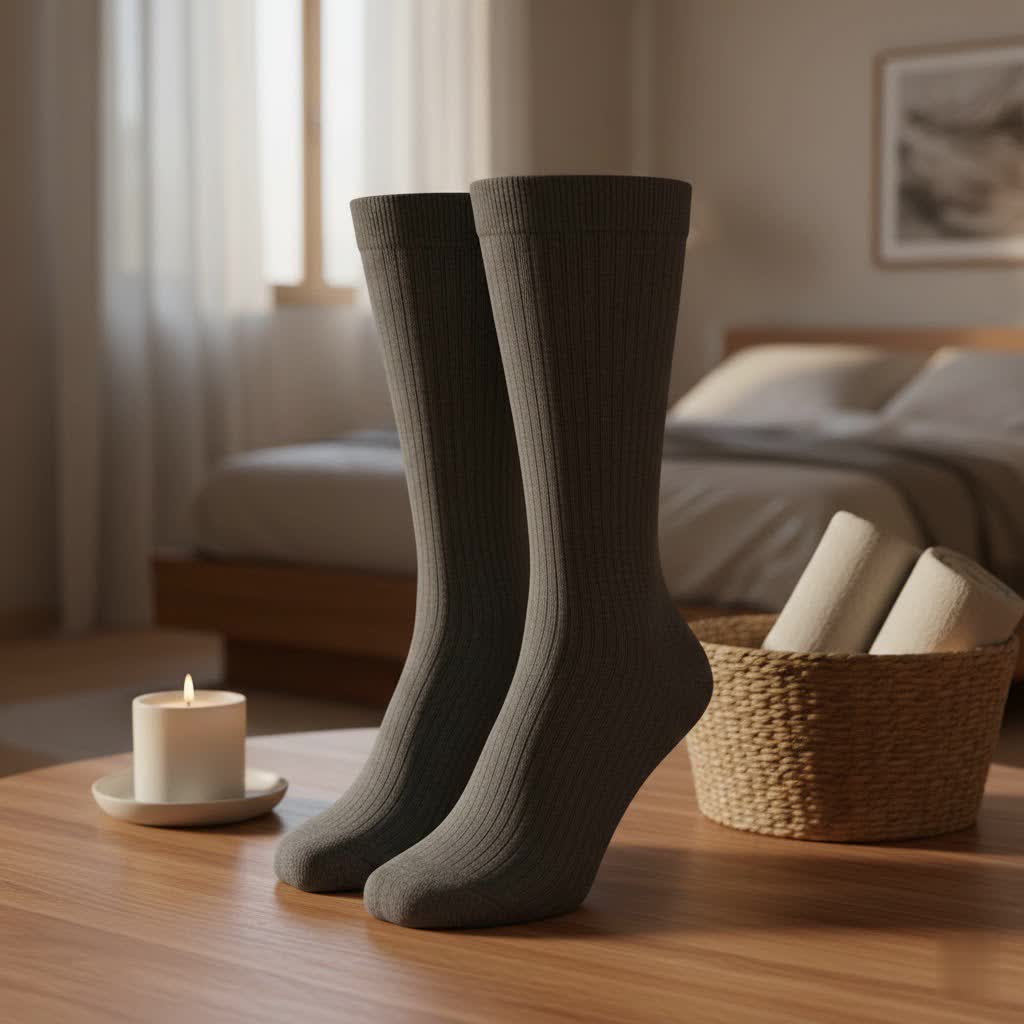
Understanding Compression Socks for Edema
Edema refers to swelling caused by excess fluid trapped in your body’s tissues, most commonly affecting the legs, ankles, and feet due to gravity. This fluid accumulation can result from various factors, including prolonged standing or sitting, pregnancy, certain medical conditions like venous insufficiency, or even a sedentary lifestyle.
Compression socks are specially designed garments that apply consistent pressure to the lower extremities. Their primary function is to help manage and reduce edema by counteracting the forces that cause fluid to pool. The most effective compression socks utilize “graduated compression,” meaning the pressure is strongest at the ankle and gradually decreases as the sock moves up the leg. This intelligent design gently squeezes veins and lymphatic vessels, encouraging blood and lymphatic fluid to flow upwards towards the heart, rather than accumulating in the lower limbs. This process prevents fluid buildup and supports the body’s natural circulatory mechanisms.
The Multifaceted Benefits of Compression Socks for Edema
Compression socks for edema offer a wide array of benefits beyond just reducing visible swelling. Their targeted action supports overall leg health and significantly improves comfort.
- Improve Blood Circulation: The graduated pressure applied by these socks helps narrow the veins, increasing the speed of blood flow back to the heart. This improved venous return prevents blood from pooling in the lower extremities, a common contributor to edema and other circulatory issues. Enhanced circulation also means better delivery of oxygen and nutrients to tissues.
- Reduce Swelling and Fluid Buildup: By preventing fluid from leaking out of capillaries and promoting lymphatic drainage, compression socks actively work to minimize the accumulation of interstitial fluid. This direct action significantly reduces swelling in the feet, ankles, and legs.
- Alleviate Pain and Discomfort: The constant pressure on swollen tissues can cause aches, heaviness, and fatigue. Compression socks provide external support, reducing the sensation of discomfort and making legs feel lighter and more energized, especially after long periods of activity or inactivity.
- Support Vein Health: Regular use of compression socks can play a crucial role in preventing and managing conditions such as varicose veins and deep vein thrombosis (DVT). By improving blood flow and reducing venous pressure, they help maintain the integrity of vein walls and reduce the risk of clot formation.
- Aid Recovery: For athletes, individuals recovering from surgery, or those experiencing general leg fatigue, compression socks can accelerate recovery. They help flush out metabolic waste products and reduce muscle soreness by enhancing blood flow and reducing inflammation.
Who Can Benefit from Compression Socks for Edema?
Compression socks are not just for medical conditions; many individuals can find relief and support from their use.
- Individuals with Prolonged Standing or Sitting: Occupations requiring long hours on your feet (nurses, retail workers, teachers) or extended periods of sitting (office workers, drivers) often lead to blood pooling and swelling. Compression socks help mitigate this by supporting circulation.
- Athletes and Active Individuals: While primarily used for recovery, some athletes wear compression socks during activity to improve performance and prevent swelling and muscle fatigue, especially during long runs or strenuous workouts.
- Pregnant Women: Edema is a common occurrence during pregnancy due to hormonal changes and increased blood volume. Compression socks can offer significant relief from swollen ankles and feet, making daily life more comfortable.
- Those with Venous Insufficiency or Lymphedema: For individuals diagnosed with chronic venous insufficiency (CVI) or lymphedema, compression therapy is often a cornerstone of treatment. These conditions involve compromised circulatory or lymphatic systems, and the external pressure from socks helps manage severe swelling and prevent complications.
- Travelers: Long flights or car journeys often result in swollen feet and ankles due to inactivity and changes in cabin pressure. Wearing compression socks during travel can prevent fluid buildup and reduce the risk of DVT.
- Post-operative Patients: After certain surgeries, swelling is a natural part of the healing process. Healthcare providers often recommend compression socks to control post-surgical edema and promote healing.
Types of Compression Socks for Edema
Understanding the different types of compression socks is key to choosing the most effective pair for your specific needs. These socks are primarily categorized by their compression level, length, and material.
By Compression Level (mmHg)
The compression level is measured in millimeters of mercury (mmHg) and indicates the amount of pressure the sock applies.
- Mild Compression (8-15 mmHg): These offer very light support and are often used for everyday wear, preventing mild swelling during long periods of standing or sitting, and for general leg fatigue. They are a good starting point for those new to compression therapy.
- Moderate Compression (15-20 mmHg): Ideal for managing moderate edema, preventing swelling during travel or pregnancy, and relieving discomfort from mild varicose veins. This level is commonly recommended for nurses, travelers, and individuals with active lifestyles.
- Firm Compression (20-30 mmHg): Often prescribed by doctors for moderate to severe edema, chronic venous insufficiency, post-surgical recovery, and preventing deep vein thrombosis. This level provides significant support and should generally be used under medical guidance.
- Extra-Firm Compression (30-40+ mmHg): These are medical-grade compression socks used for severe lymphedema, severe venous disease, and active ulcers. They almost always require a doctor’s prescription and professional fitting due to their high pressure.
|
Our Picks for the Best Compression Socks in 2026
As an Amazon Associate I earn from qualifying purchases.
|
||
| Num | Product | Action |
|---|---|---|
| 1 | FITRELL 3 Pairs Compression Socks for Women and Men 20-30mmHg-Circulation Support Socks |

|
| 2 | MONFOOT Compression Socks for Men & Women, 15-20 mmHg (3 Pairs) - Best Circulation socks for Nurses, Athletic, Travel |
|
| 3 | CHARMKING Compression Socks for Women & Men Circulation (3 Pairs) 15-20 mmHg is Best Support for Athletic Running Cycling |
|
| 4 | CHARMKING Compression Socks for Women & Men Circulation (3 Pairs) 15-20 mmHg is Best Support for Athletic Running Cycling |
|
| 5 | FITRELL 3 Pairs Compression Socks for Women and Men 20-30mmHg-Circulation Support Socks |
|
| 6 | FITRELL 3 Pairs Compression Socks for Women and Men 20-30mmHg-Circulation Support Socks |
|
| 7 | CHARMKING Compression Socks for Women & Men Circulation (3 Pairs) 15-20 mmHg is Best Support for Athletic Running Cycling |
|
| 8 | CHARMKING Compression Socks for Women & Men Circulation (3 Pairs) 15-20 mmHg is Best Support for Athletic Running Cycling |
|
| 9 | CHARMKING Compression Socks for Women & Men Circulation (3 Pairs) 15-20 mmHg is Best Support for Athletic Running Cycling |
|
| 10 | FITRELL 3 Pairs Compression Socks for Women and Men 20-30mmHg-Circulation Support Socks |
|
By Length
The length of the compression sock depends on where the swelling occurs and the condition being treated.
- Knee-High: The most common and generally best-tolerated length, reaching just below the knee. They are effective for swelling in the feet, ankles, and lower calves.
- Thigh-High: These extend up to the thigh. They are recommended when edema or venous issues extend above the knee or into the upper calf.
- Pantyhose/Waist-High: Covering the entire leg and waist, these are used for bilateral (both legs) edema or when swelling affects the entire leg, including the upper thigh and groin area.
By Material
The material affects comfort, breathability, and durability. Common materials include:
- Cotton: Known for its softness and breathability, good for sensitive skin.
- Nylon/Spandex Blends: Offer excellent elasticity, durability, and a snug fit. Many performance compression socks use these blends.
- Merino Wool: Provides natural temperature regulation, moisture-wicking properties, and odor resistance, making it suitable for various climates.
- Bamboo Blends: Soft, breathable, and often have natural antimicrobial properties.
Special Features
Some compression socks come with additional features for enhanced comfort and functionality:
- Open vs. Closed Toe: Open-toe designs can be more comfortable for individuals with sensitive toes or bunions, and they accommodate various foot sizes. Closed-toe offers full foot compression.
- Cushioned Toe & Heel: Adds comfort and reduces friction, especially important for active individuals or those with foot sensitivities.
- Anti-microbial: Materials infused with copper or silver can help inhibit odor-causing bacteria.
- Zippered or Easy-On Designs: Beneficial for individuals with limited mobility or dexterity who struggle to put on tight compression socks.
Choosing the Right Compression Socks for Edema: A Detailed Buying Guide
Selecting the appropriate compression socks for edema involves careful consideration to ensure maximum effectiveness and comfort.
Determine Your Purpose and Edema Severity
Before looking at options, understand why you need compression socks. Is it for mild, occasional swelling, pregnancy-related edema, or a chronic condition like venous insufficiency or lymphedema? Your reason will guide your choice of compression level. For mild, everyday swelling or preventive measures, a lower compression level might suffice. For more significant or chronic edema, a higher, medically-recommended level will be necessary.
Measure Accurately
Accurate measurements are critical for effective compression. Measure your legs at different points (ankle, calf, and possibly thigh) first thing in the morning when swelling is typically at its minimum. Consult sizing charts provided by manufacturers. For higher compression levels or complex conditions, a healthcare professional can take precise measurements to ensure a proper fit, especially since ill-fitting socks can be ineffective or even harmful.
Select the Appropriate Compression Level
- For mild swelling, travel, or general fatigue: 8-15 mmHg or 15-20 mmHg (mild to moderate) is often sufficient.
- For moderate edema, varicose veins, or post-surgical swelling: 20-30 mmHg (firm) is frequently recommended.
- For severe edema, lymphedema, or severe venous disease: 30-40 mmHg or higher (extra-firm/medical grade) is required, always under a doctor’s supervision.
If you are new to compression, it’s often advisable to start with a lower level and gradually increase if needed, and always consult a doctor for anything beyond mild, temporary swelling.
Consider the Length
Choose a sock length that covers the entire area affected by edema. If swelling is only in the ankles and lower calves, knee-high socks are appropriate. If the swelling extends to the thighs, thigh-high or pantyhose options will be necessary.
Prioritize Material and Comfort
Look for materials that are breathable, moisture-wicking, and comfortable for extended wear. Consider your lifestyle and climate. If you have sensitive skin, natural fibers like cotton or bamboo blends might be preferable. Ensure the fabric feels smooth against your skin and doesn’t cause irritation or chafing.
Consult a Healthcare Professional
This step cannot be overstated. For any persistent, severe, or medically-related edema, consult your doctor. They can diagnose the underlying cause of your swelling, recommend the most appropriate compression level and type, and provide guidance on proper usage and fitting. A prescription might be necessary for higher compression garments.
Top Picks: Essential Features of Quality Compression Socks
When seeking the best compression socks for edema, focus on these essential features that define a high-quality product designed for effective relief and comfort.
- Superior Material Quality: Look for durable, breathable, and skin-friendly fabrics that can withstand daily wear and washing while maintaining their compression integrity. Materials like advanced nylon/spandex blends, moisture-wicking merino wool, or soft bamboo can enhance comfort and longevity.
- Effective Graduated Compression: The most crucial feature is true graduated compression, where the pressure is strongest at the ankle and gradually lessens up the leg. This ensures optimal blood flow promotion and fluid reduction. Inconsistent compression can be ineffective or even detrimental.
- Precise Fit and Sizing Options: Quality compression socks offer a wide range of sizes, often including options for wide calves, ensuring a snug yet comfortable fit without pinching or bunching. An accurate fit is paramount for the socks to work correctly.
- Ease of Use: While higher compression socks can be challenging to put on, good designs incorporate features that make donning and doffing easier, such as a multi-directional stretch, a smooth interior, or even optional zipper closures.
- Reputable Brands with Positive Feedback: While specific brand recommendations vary, a general rule is to look for manufacturers known for their medical-grade quality, adherence to industry standards, and consistently positive user reviews regarding effectiveness and comfort.
“The right pair of compression socks acts like an external pump, supporting your veins and lymphatic system to efficiently move fluid back to the heart. This makes them indispensable for managing edema effectively.” – Dr. Emily R. Vascular, Specialist in Circulatory Health
How to Properly Use and Care for Your Compression Socks
To maximize the benefits and extend the life of your compression socks for edema, proper usage and care are essential.
Putting On
- Timing is Key: Put on your compression socks first thing in the morning, ideally before you even get out of bed. This is when your legs are least swollen, making the socks easier to apply and most effective in preventing fluid buildup throughout the day.
- The Inside-Out Method: Reach inside the sock and grab the heel. Pull the sock inside out until only the foot part remains right-side out. Slide your foot into the foot part, ensuring your heel is properly seated. Then, slowly roll and pull the rest of the sock up your leg, smoothing out any wrinkles as you go.
- Donning Aids: If you struggle with the tightness, consider using rubber kitchen gloves to get a better grip or specialized donning aids like stocking sliders, which can significantly simplify the process.
- Avoid Wrinkles: Ensure the sock is smooth and free of wrinkles or creases, as these can create pressure points and irritate your skin.
Wearing
- Consistency is Crucial: For continuous relief and effective edema management, wear your compression socks all day.
- Remove at Night: Generally, compression socks should be removed before going to bed unless specifically advised by a doctor. Sleeping with your feet slightly elevated can also help prevent nighttime swelling.
Taking Off
- Gentle Removal: To remove, roll the sock down slowly from the top, peeling it off inside out. Avoid harsh pulling, which can damage the elastic fibers.
Washing and Storage
- Hand Wash or Gentle Cycle: Most compression socks should be hand-washed with a mild detergent in cool water or machine-washed on a gentle cycle with a laundry bag.
- Avoid Harsh Chemicals: Do not use bleach, fabric softeners, or harsh stain removers, as these can break down the elastic fibers.
- Air Dry: Always air dry your compression socks. High heat from a dryer can damage the elastic and reduce the sock’s effectiveness.
- Replace Regularly: Depending on wear, compression socks typically need to be replaced every 3-6 months as their elastic properties degrade over time.
Important Considerations
Always pay attention to how your legs feel. If you experience unusual pain, numbness, skin irritation, or discoloration, remove the socks and consult your doctor immediately. These could be signs of an improper fit or an underlying issue.
Conclusion
Compression socks for edema are far more than just ordinary hosiery; they are a scientifically designed tool to combat swelling, improve circulation, and enhance comfort for millions. From alleviating the everyday aches of prolonged standing to playing a vital role in managing chronic conditions like venous insufficiency and lymphedema, their benefits are profound. By understanding the different types, selecting the right compression level, ensuring a proper fit, and committing to consistent use and care, you can harness the power of compression socks to significantly improve your quality of life. Don’t let edema dictate your comfort. Take the proactive step to explore compression therapy. Have you discussed compression socks with your healthcare provider to find the best solution for your unique needs?
Frequently Asked Questions
What is the best compression level for edema?
The best compression level depends on the severity and cause of your edema. For mild, temporary swelling, 8-15 mmHg or 15-20 mmHg (mild to moderate) is usually sufficient. For more persistent or severe edema, often due to medical conditions, 20-30 mmHg (firm) or higher may be recommended by a doctor. Always consult a healthcare professional for guidance on higher compression levels.
How long should I wear compression socks for edema?
For optimal results, compression socks for edema should typically be worn all day, from the moment you wake up until you go to bed. This consistent pressure helps prevent fluid accumulation throughout the day. They are generally removed at night, but a doctor may advise extended wear in specific medical cases.
Can compression socks make edema worse?
When properly fitted and used, compression socks should not make edema worse; they are designed to alleviate it. However, if the socks are too tight, ill-fitting, or worn incorrectly, they can cause discomfort, skin irritation, or even impede circulation, potentially exacerbating issues. Always ensure a proper fit and consult a doctor if you experience adverse effects.
Are there side effects of wearing compression socks?
Possible side effects, usually due to improper fit or pre-existing conditions, can include skin irritation, itching, discomfort, or marks on the skin. In rare cases, if the compression is too high or ill-suited for a specific medical condition (like severe arterial disease), it could worsen circulation. Consulting a doctor is crucial to avoid complications.
Can I sleep in compression socks for edema?
Generally, it is not recommended to sleep in compression socks for edema unless specifically instructed by a healthcare professional. While sleeping, your legs are typically elevated, and gravity isn’t pulling fluid down, so the continuous pressure isn’t usually necessary. Removing them at night allows your skin to breathe and recover.
