Have you ever finished a long day at work, a challenging run, or a lengthy journey only to find your legs feeling heavy, tired, or even swollen? It’s a common experience, but it doesn’t have to be your normal. For many men, the solution lies in a simple yet powerful garment: compression socks. These specially engineered socks offer far more than just comfort; they’re a versatile tool for enhancing daily well-being, boosting athletic performance, and supporting overall leg health. If you’ve wondered whether compression socks are just for medical patients or elite athletes, prepare to discover how they can become an essential part of your routine, transforming how your legs feel day in and day out.
What Are Compression Socks?
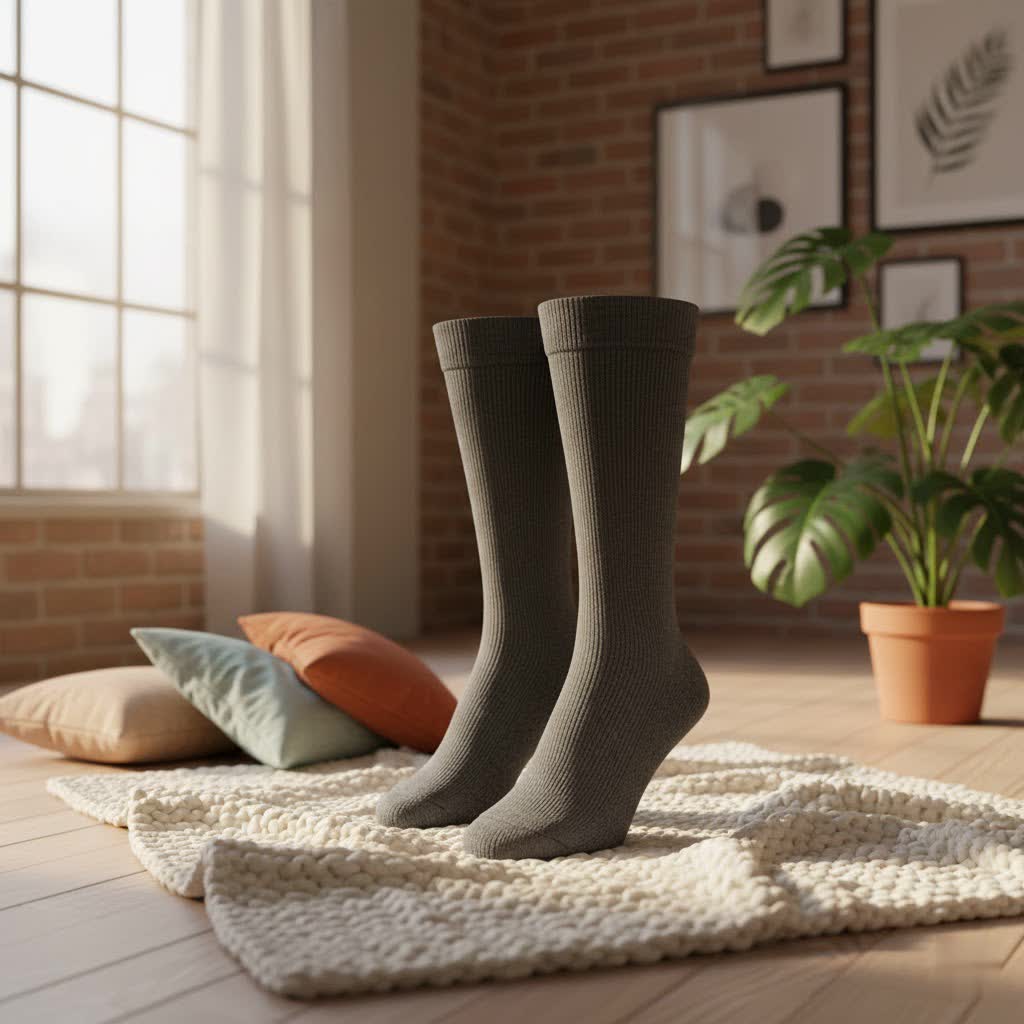
Compression socks are specialized hosiery designed to apply gentle pressure to your legs. This pressure is not uniform; instead, it’s typically “graduated,” meaning it’s strongest at the ankle and gradually decreases as it moves up the leg towards the knee. This graduated pressure works synergistically with your body’s circulatory system to improve blood flow. By subtly squeezing the leg muscles and veins, compression socks help push deoxygenated blood and lymphatic fluids back towards the heart more efficiently, combating the effects of gravity and aiding the body’s natural pumping action.
The primary function of compression socks is to support healthy circulation. While often associated with medical conditions, their benefits extend to everyday use for almost any man looking to improve leg comfort and health.
Common Types of Compression Socks
Compression socks come in various forms, each suited for different needs:
- By Compression Level: Measured in millimeters of mercury (mmHg), this indicates the tightness of the sock. Levels range from mild to extra firm, with most over-the-counter options falling into the mild to firm categories.
- By Length:
- Knee-High: The most common and effective style, extending just below the knee, offering full calf compression.
- Crew/Calf: Shorter than knee-high, covering the calf but often stopping mid-calf.
- Ankle/No-Show: Designed for targeted arch and ankle support, often used in athletic settings where full calf compression isn’t desired.
- Thigh-High/Pantyhose: Less common for men, but available for more extensive leg support (often medical-grade).
- By Material: Options include breathable synthetics like nylon and spandex, natural fibers like cotton and merino wool, and specialized blends with features like moisture-wicking or anti-microbial properties.
|
Our Picks for the Best Compression Socks in 2026
As an Amazon Associate I earn from qualifying purchases.
|
||
| Num | Product | Action |
|---|---|---|
| 1 | FITRELL 3 Pairs Compression Socks for Women and Men 20-30mmHg-Circulation Support Socks |

|
| 2 | FITRELL 3 Pairs Compression Socks for Women and Men 20-30mmHg-Circulation Support Socks |
|
| 3 | CHARMKING Compression Socks for Women & Men Circulation (3 Pairs) 15-20 mmHg is Best Support for Athletic Running Cycling |
|
| 4 | CHARMKING Compression Socks for Women & Men Circulation (3 Pairs) 15-20 mmHg is Best Support for Athletic Running Cycling |
|
| 5 | CHARMKING Compression Socks for Women & Men Circulation (3 Pairs) 15-20 mmHg is Best Support for Athletic Running Cycling |
|
| 6 | MONFOOT Compression Socks for Men & Women, 15-20 mmHg (3 Pairs) - Best Circulation socks for Nurses, Athletic, Travel |
|
| 7 | FITRELL 3 Pairs Compression Socks for Women and Men 20-30mmHg-Circulation Support Socks |
|
| 8 | FITRELL 3 Pairs Compression Socks for Women and Men 20-30mmHg-Circulation Support Socks |
|
| 9 | CHARMKING Compression Socks for Women & Men Circulation (3 Pairs) 15-20 mmHg is Best Support for Athletic Running Cycling |
|
| 10 | CHARMKING Compression Socks for Women & Men Circulation (3 Pairs) 15-20 mmHg is Best Support for Athletic Running Cycling |
|
Benefits of Compression Socks for Men
The advantages of incorporating compression socks into your life are extensive, impacting everything from athletic performance to daily comfort and long-term health.
Improve Blood Circulation
The graduated pressure of compression socks is engineered to encourage optimal blood flow. By gently compressing the veins, they help prevent blood from pooling in the lower legs and feet. This means oxygenated blood can reach your muscles more effectively, and deoxygenated blood is returned to the heart more quickly, reducing strain on your cardiovascular system.
Reduce Swelling and Edema
Many men experience swollen ankles and feet, especially after prolonged standing, sitting, or during travel. Compression socks actively work to minimize this by preventing fluid buildup in the tissues of the lower legs, making a noticeable difference in comfort and appearance.
Support Vein Health and Prevent Varicose Veins
By improving blood flow and reducing venous pressure, compression socks can be a proactive measure against the development or progression of varicose and spider veins. They offer external support to weakened vein walls, helping to maintain their integrity.
Alleviate Leg Fatigue and Aches
That heavy, tired feeling in your legs after a busy day? Compression socks can significantly mitigate it. Enhanced circulation delivers more oxygen and nutrients to your leg muscles while clearing away metabolic waste products, leading to fresher, more energized legs.
Aid in Athletic Performance and Recovery
Athletes often use compression socks to boost performance during exercise and accelerate recovery afterward. During activity, they can help stabilize muscles, reduce vibration, and enhance oxygen delivery. Post-exercise, improved circulation helps clear lactic acid and reduces muscle soreness, allowing for faster bounce-back.
Decrease Risk of Deep Vein Thrombosis (DVT)
For men who spend long hours sitting (e.g., during flights or extended desk work), compression socks can be crucial in preventing deep vein thrombosis (DVT). DVT is a serious condition where blood clots form in deep veins, often in the legs. By maintaining consistent blood flow, compression socks significantly lower this risk.
Who Should Use Compression Socks?
Compression socks are not a niche product; they offer benefits to a wide spectrum of men. Consider them if you are:
- Standing or Sitting for Extended Periods: Professions like healthcare workers, teachers, retail associates, pilots, and office workers spend long hours either on their feet or seated. Compression socks can prevent leg fatigue, swelling, and discomfort.
- Athletes and Active Individuals: Runners, cyclists, weightlifters, and anyone engaged in strenuous physical activity can use compression socks for enhanced performance, reduced muscle oscillation, and quicker recovery from workouts.
- Frequent Travelers: Long flights or car rides can increase the risk of DVT and cause significant leg swelling. Compression socks are an excellent preventative measure for travel-related discomfort.
- Men with Circulatory Issues: If you have conditions such as varicose veins, spider veins, chronic venous insufficiency, or mild edema, compression socks can be an essential part of managing symptoms and improving vein health. (Always consult a doctor for medical conditions).
- Post-Surgery Patients: Following certain surgeries, particularly those affecting the legs or involving periods of immobility, doctors may recommend compression socks to prevent blood clots and aid recovery.
Classification of Compression Socks
Understanding the different ways compression socks are classified helps in choosing the right pair for your needs.
By Compression Level (mmHg)
The pressure exerted by compression socks is measured in millimeters of mercury (mmHg). This is a critical factor in determining suitability for various applications.
- Mild Compression (8-15 mmHg): This lightest level is ideal for everyday comfort, relieving minor fatigue, and for short periods of standing or sitting. It’s a great starting point for those new to compression socks.
- Moderate Compression (15-20 mmHg): The most common over-the-counter level, suitable for daily wear, long-distance travel, managing mild swelling, and athletic recovery. Many find this level provides significant relief without feeling too restrictive.
- Firm Compression (20-30 mmHg): Often considered medical-grade without requiring a prescription, this level is effective for moderate swelling, varicose veins, post-surgical recovery, and sports performance. It offers substantial support.
- Extra Firm Compression (30-40+ mmHg): These higher levels are typically prescribed by a doctor for more severe medical conditions, such as advanced venous insufficiency, severe edema, or managing active DVT. Always consult a healthcare professional before using this level.
By Length
The length of the sock determines the area of the leg that receives compression.
- Knee-High: Extending just below the knee, these are the most popular for general health and athletic use, providing graduated compression across the foot, ankle, and calf.
- Crew Length: Shorter than knee-high, these typically cover the ankle and lower calf. While still offering some support, they don’t provide the full graduated compression benefits of a knee-high sock.
- Ankle Socks: Focusing pressure around the arch and ankle, often chosen by athletes who prefer a low-profile sock for specific sports like tennis or for plantar fasciitis relief.
- Thigh-High: Extending up to the thigh, these are generally used for more extensive medical conditions requiring compression throughout the entire leg.
By Material
The material affects comfort, breathability, durability, and specific features.
- Nylon/Spandex Blends: Common for their elasticity, durability, and moisture-wicking properties, making them popular for athletic and everyday use.
- Cotton: Known for its softness and breathability, good for sensitive skin and casual wear, though it may not wick moisture as effectively as synthetics.
- Merino Wool: An excellent choice for temperature regulation, moisture-wicking, and odor resistance. Ideal for both cold and warm conditions, and often found in hiking or outdoor-focused compression socks.
- Specialty Fibers: Some socks incorporate materials like silver-infused fibers for anti-microbial and anti-odor benefits, or copper fibers for perceived health advantages.
Comparison Table: Common Compression Sock Types
| Type of Sock | Compression (mmHg) | Length | Material Examples | Key Advantages | Best For |
|---|---|---|---|---|---|
| Mild Daily | 8-15 | Knee-High, Crew | Cotton, Nylon | Light comfort, energizes legs | Minor fatigue, short travel |
| Moderate Everyday | 15-20 | Knee-High | Nylon/Spandex, Merino Wool | Good balance of support & comfort | Daily wear, longer travel, mild swelling, light activity |
| Firm Athletic/Therapeutic | 20-30 | Knee-High | Performance Synthetics | Strong support, muscle stabilization, quicker recovery | Sports, moderate swelling, varicose veins, standing jobs |
| Medical Grade | 30-40+ | Knee-High, Thigh-High | Durable Synthetics | Intensive therapy for severe conditions | Prescribed for serious venous issues (doctor consult advised) |
How to Choose the Right Compression Socks for Men (Buying Guide)
Selecting the ideal pair of compression socks involves considering your specific needs, activities, and body measurements.
1. Determine Your Purpose
Are you seeking daily comfort, athletic enhancement, travel support, or relief for a medical condition? Your primary goal will guide your choice of compression level and style. For instance, an athlete might prioritize a 20-30 mmHg sock, while a frequent traveler might opt for 15-20 mmHg.
2. Choose the Correct Compression Level
This is perhaps the most crucial step.
- For general wellness, travel, or light activity: Start with 8-15 mmHg or 15-20 mmHg.
- For athletic performance/recovery, moderate swelling, or prolonged standing/sitting: 20-30 mmHg is often recommended.
- For medical conditions: Always consult a healthcare professional. They can accurately assess your needs and recommend the appropriate mmHg level, which may include prescription-grade compression.
3. Measure Accurately for Sizing
Unlike regular socks, precise sizing is essential for compression socks to work effectively. Incorrect sizing can render them ineffective or even cause discomfort.
- For knee-high socks: You’ll typically need to measure the circumference of your ankle (at the narrowest point), the widest part of your calf, and sometimes the length from the floor to just below your knee. Most brands provide a sizing chart based on these measurements and shoe size.
- For ankle socks: Shoe size is usually sufficient.
- Tip: Measure in the morning before any potential swelling occurs. If you’re between sizes, some brands recommend sizing down for firmer compression, but it’s best to follow the manufacturer’s specific guidance.
4. Select the Right Material
Consider your activity level and preferences:
- For active wear or hot climates: Look for moisture-wicking synthetic blends (nylon, spandex) or merino wool to keep feet dry and prevent odor.
- For everyday comfort: Cotton blends offer softness, while merino wool provides excellent temperature regulation.
- For anti-odor/anti-microbial properties: Look for socks with silver-infused fibers or merino wool.
5. Consider Style and Durability
Compression socks come in various colors and patterns. You can find subtle options for professional settings or vibrant designs for athletic wear. Look for reinforced heels and toes, and quality stitching, especially if you plan to wear them frequently.
Top Picks – Exploring Reputable Compression Sock Brands
The market offers a wide array of compression sock brands, each with its unique strengths. Here are some well-regarded names known for quality and performance:
- Bombas: Praised for their comfortable fit, diverse styles, and philanthropic “one purchased, one donated” model. They offer a good range of everyday and performance options.
- CEP: A favorite among athletes, CEP is known for its German-engineered, medical-grade compression technology, offering targeted support for running, cycling, and other sports.
- Jobst & Sigvaris: These brands are stalwarts in the medical compression field, offering a wide range of therapeutic options, often recommended by healthcare professionals. They provide various compression levels and lengths for specific conditions.
- Physix Gear Sport: Popular for their durable, high-performance socks often favored by athletes and those needing firm support.
- SB SOX: Known for offering breathable, comfortable, and effective compression socks at a more accessible price point, suitable for various activities and daily wear.
- Vim & Vigr: Offers stylish compression socks in various materials (cotton, merino wool, nylon) and patterns, blending fashion with function for everyday and travel use.
When choosing, read recent reviews focusing on fit, material comfort, and how well they retain compression over time.
How to Use and Care for Compression Socks
To maximize the benefits and lifespan of your compression socks, proper usage and care are key.
How to Put On and Take Off Compression Socks Correctly
Due to their snug fit, putting on compression socks can be a bit challenging initially, but with practice, it becomes easier:
- Gather the sock: Reach inside the sock and grab the heel pocket. Turn the top part of the sock inside out, leaving only the foot part right-side out.
- Position the foot: Slip your foot into the foot part of the sock, making sure your heel is correctly seated in the heel pocket.
- Unroll upwards: Gradually unroll the gathered sock up your leg, smoothing out any wrinkles as you go. Avoid pulling or tugging aggressively, as this can damage the fibers or create uneven compression.
- Adjust: Ensure the sock is smooth and sits just below the knee (for knee-high socks) without bunching or rolling down.
To remove: Gently peel the sock down from the top, turning it inside out as you go, and then slide it off your foot.
Washing and Storage
Proper care extends the life of your compression socks:
- Wash after every use: This helps them retain their elasticity and removes skin oils and sweat.
- Machine wash gentle cycle or hand wash: Use cold water and a mild detergent.
- Avoid bleach and fabric softeners: Bleach can damage fibers, and fabric softeners can clog the elastic, reducing compression effectiveness.
- Air dry: Lay flat or hang to dry. Avoid direct heat from dryers, which can degrade elastic fibers.
- Rotate pairs: Having a few pairs to rotate ensures each pair lasts longer.
Important Considerations When Using
- Listen to your body: While compression socks should feel snug, they should never cause pain, numbness, tingling, or skin irritation. If you experience any of these, remove the socks and consult a doctor.
- Avoid rolling down the top: This creates a tourniquet effect that can be harmful, restricting blood flow instead of enhancing it.
- Wear during activity: For performance benefits, wear them during your workout or activity. For recovery, put them on as soon as possible afterward.
- Consult a doctor: If you have underlying medical conditions, especially peripheral arterial disease, diabetes with neuropathy, or congestive heart failure, always consult your doctor before using compression socks.
Conclusion
Compression socks for men are far more than just a medical necessity; they are a powerful tool for enhancing daily comfort, improving athletic performance and recovery, and safeguarding long-term leg health. By understanding the different types, compression levels, and how to choose the right pair, you can unlock a new level of well-being for your legs. From reducing fatigue after a demanding day to minimizing swelling during travel and boosting your performance on the track, compression socks offer tangible benefits that can dramatically improve your quality of life. Why continue to endure tired, aching legs when a simple solution is within reach?
What benefits of compression socks are you most excited to experience?
Frequently Asked Questions
Do compression socks make your legs warmer?
Many modern compression socks are made with breathable, moisture-wicking materials like nylon, spandex, or merino wool, which help regulate temperature and prevent overheating. While they do provide a layer of fabric, they are generally designed to keep your feet and legs comfortable, not necessarily warmer, especially in warmer climates or during intense activity.
How long should men wear compression socks per day?
For general wellness, everyday comfort, or athletic recovery, many men wear compression socks for several hours during the day or during their activity. If worn for medical reasons, your doctor will provide specific instructions, but generally, they are worn during waking hours and removed before bed.
Can men wear compression socks to sleep?
While generally not recommended unless specifically advised by a doctor for certain medical conditions, most men do not need to wear compression socks while sleeping. The body is in a horizontal position during sleep, which naturally aids blood flow back to the heart, reducing the need for external compression.
How do I know if my compression socks are too tight?
Compression socks should feel snug but comfortable. Signs they might be too tight include pain, numbness, tingling, cold toes, skin discoloration, or deep indentations left on your skin. If you experience these, your socks may be the wrong size or compression level, and you should consider adjusting or consulting a healthcare professional.
Are there stylish compression socks for men?
Absolutely! The market for men’s compression socks has expanded significantly. You can find them in a wide range of colors, patterns, and designs, from discreet solid colors suitable for professional attire to bold, athletic styles. Many brands now focus on creating functional yet fashionable options that don’t look overtly medical.
