Are your legs feeling heavy after a long run? Do you dream of faster recovery and reduced muscle soreness? Running compression socks might be the game-changer you need. Once primarily associated with medical use, these specialized socks have become a staple for runners seeking to optimize performance, prevent fatigue, and bounce back quicker. They’re more than just a snug fit; they’re a carefully engineered piece of gear designed to support your circulatory system and muscles, transforming your running experience.
What Are Running Compression Socks?
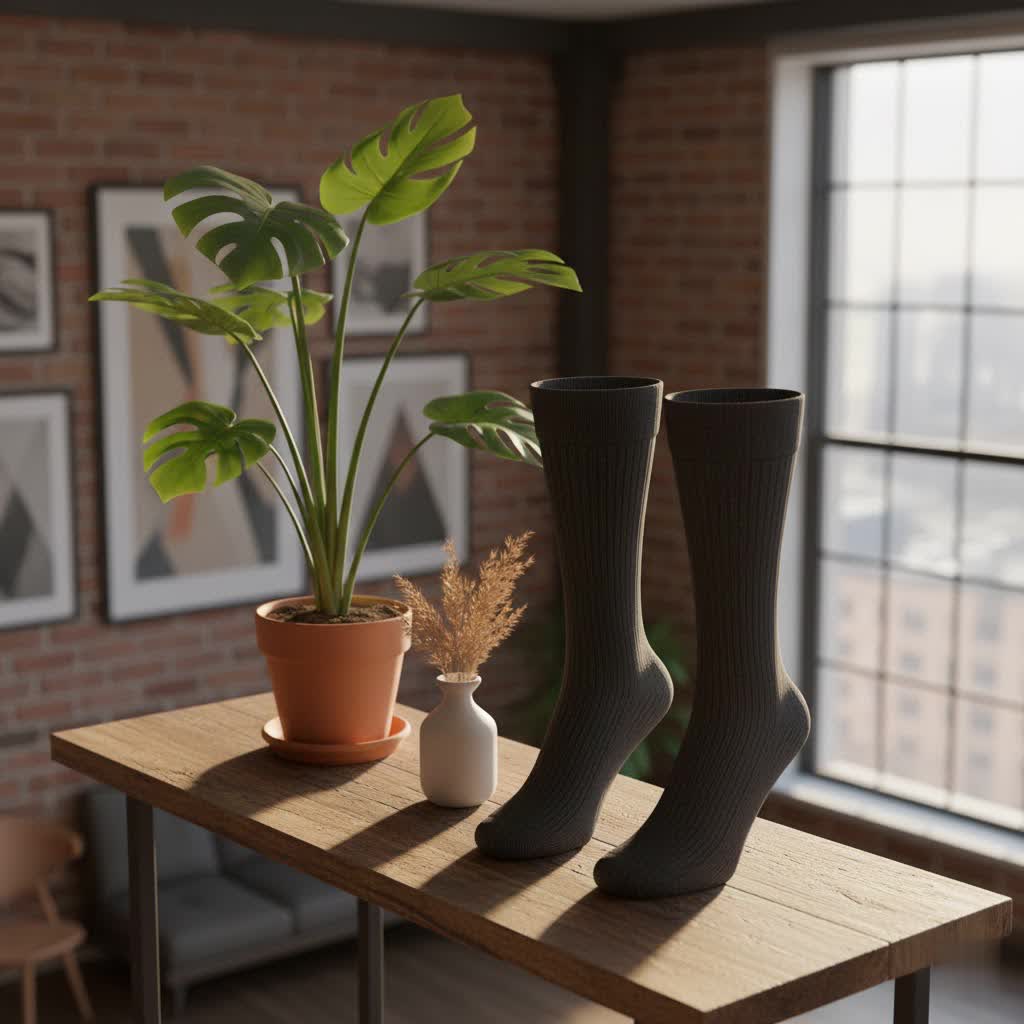
Running compression socks are snug-fitting garments that apply gentle pressure to your lower legs, typically from the ankle up to just below the knee. Unlike regular socks, their primary purpose is to enhance blood circulation and provide muscle support. They achieve this through a mechanism called “graduated compression,” meaning the pressure is highest around the ankle and gradually decreases as it moves up the calf. This encourages blood flow back towards the heart, combating the effects of gravity and aiding your body’s natural processes.
Common types of running compression socks include:
- Graduated Compression: Tighter at the ankle, gradually loosening up the calf, designed to optimize blood flow.
- Uniform Compression: Applies consistent pressure throughout, often found in lighter compression levels for everyday wear rather than intense athletic performance.
- Various Lengths: Ranging from no-show and ankle to mid-calf and knee-high, each offering different levels of coverage and compression benefits.
- Material Blends: Often a mix of synthetic fibers like nylon, polyester, and spandex, sometimes incorporating natural materials like merino wool, chosen for specific properties like moisture-wicking or temperature regulation.
The Transformative Benefits of Running Compression Socks
Runners across all levels report significant advantages when incorporating compression socks into their routine. These benefits stem from the improved circulation and muscle stabilization that the socks provide.
- Improved Blood Circulation: By gently squeezing the veins in your lower legs, compression socks help accelerate the flow of deoxygenated blood and metabolic waste products, such as lactic acid, back to the heart. This faster circulation means more oxygen-rich blood can reach your working muscles, potentially delaying fatigue and improving endurance.
- Reduced Muscle Soreness and Fatigue: The targeted pressure from compression socks helps to stabilize calf muscles, reducing vibrations and oscillations that occur with each stride. This can minimize micro-trauma to muscle fibers, leading to less post-run soreness and a fresher feeling in your legs.
- Faster Recovery: After strenuous activity, the enhanced blood flow aids in the quicker removal of waste products and delivery of nutrients essential for muscle repair. Many runners find they experience a noticeable reduction in recovery time, allowing them to get back to training sooner and more consistently.
- Decreased Swelling: Long runs, intense workouts, or extended periods of standing or sitting can lead to fluid pooling in the lower legs and ankles, causing swelling. Compression socks apply external pressure that helps prevent this fluid buildup, keeping your legs feeling lighter and more comfortable.
- Support for Muscles and Tendons: The supportive fit offers a feeling of stability, which can be particularly beneficial for muscles and tendons in the lower leg. This added support may contribute to a reduced risk of common running-related issues like shin splints and calf cramps.
Who Should Consider Using Running Compression Socks?
While runners are a prime demographic, the advantages of compression socks extend to various individuals and situations. Consider them if you:
- Are a Dedicated Runner or Athlete: Especially those training for marathons, ultra-marathons, or engaging in long-distance running.
- Spend Extended Periods Standing or Sitting: For example, healthcare professionals, retail workers, office workers, or those on long flights, to combat leg fatigue and swelling.
- Are Pregnant: To help alleviate leg swelling and improve circulation often experienced during pregnancy.
- Experience Circulation Issues: Such as varicose veins or mild edema, though always consult a doctor for medical conditions and specific compression levels.
- Are Recovering from Injury: Under medical guidance, compression can support healing and reduce swelling.
Understanding the Different Types of Compression Socks
Choosing the right running compression socks involves understanding the various options available in terms of compression level, length, and material.
Compression Levels (mmHg)
Compression is measured in millimeters of mercury (mmHg), indicating the amount of pressure the sock exerts.
- 15-20 mmHg (Light/Mild): Ideal for everyday wear, light activities, travel, and those new to compression. Offers gentle support and mild relief from fatigue.
- 20-30 mmHg (Moderate/Firm): This is the most common range for running performance and recovery. It provides substantial support for improved circulation, muscle stability, and reducing soreness during and after runs.
- 30+ mmHg (Strong/Extra-Firm): Typically considered medical-grade compression, prescribed by doctors for specific conditions. Not usually recommended for general athletic use without professional guidance.
|
Our Picks for the Best Compression Socks in 2026
As an Amazon Associate I earn from qualifying purchases.
|
||
| Num | Product | Action |
|---|---|---|
| 1 | CHARMKING Compression Socks for Women & Men Circulation (3 Pairs) 15-20 mmHg is Best Support for Athletic Running Cycling |

|
| 2 | FITRELL 3 Pairs Compression Socks for Women and Men 20-30mmHg-Circulation Support Socks |
|
| 3 | FITRELL 3 Pairs Compression Socks for Women and Men 20-30mmHg-Circulation Support Socks |
|
| 4 | MONFOOT Compression Socks for Men & Women, 15-20 mmHg (3 Pairs) - Best Circulation socks for Nurses, Athletic, Travel |
|
| 5 | CHARMKING Compression Socks for Women & Men Circulation (3 Pairs) 15-20 mmHg is Best Support for Athletic Running Cycling |
|
| 6 | FITRELL 3 Pairs Compression Socks for Women and Men 20-30mmHg-Circulation Support Socks |
|
| 7 | CHARMKING Compression Socks for Women & Men Circulation (3 Pairs) 15-20 mmHg is Best Support for Athletic Running Cycling |
|
| 8 | CHARMKING Compression Socks for Women & Men Circulation (3 Pairs) 15-20 mmHg is Best Support for Athletic Running Cycling |
|
| 9 | FITRELL 3 Pairs Compression Socks for Women and Men 20-30mmHg-Circulation Support Socks |
|
| 10 | CHARMKING Compression Socks for Women & Men Circulation (3 Pairs) 15-20 mmHg is Best Support for Athletic Running Cycling |
|
Lengths and Coverage
The height of the sock determines the area of your leg that receives compression.
- Knee-High (Over-the-Calf): The most popular and effective length for runners, extending to just below the knee. Offers maximum coverage for the calf, ankle, and foot, providing comprehensive graduated compression benefits for performance and recovery.
- Mid-Calf (Crew): Reaches mid-calf, offering compression to the foot, ankle, and lower calf muscles. Can be a good option for shorter runs or if full knee-high feels too restrictive.
- Ankle/No-Show (Low-Cut): Primarily provides compression to the foot and ankle. While offering minimal calf support, these are preferred by some for warmer weather, casual wear, or if specific foot compression is desired.
- Calf Sleeves: Provide compression specifically to the calf muscle without covering the foot. Often paired with regular running socks for a customized approach.
Materials
The fabric blend is crucial for comfort, durability, and performance.
- Synthetic Blends (Nylon, Polyester, Spandex/Lycra): These are workhorses for running socks. Nylon and polyester offer excellent moisture-wicking properties, keeping your feet dry and reducing the risk of blisters. Spandex or Lycra provides the necessary elasticity for a snug, supportive fit and helps the socks maintain their shape over time.
- Merino Wool: A natural fiber prized for its temperature-regulating abilities, keeping feet warm in cooler conditions and cool in warmer weather. It’s also naturally odor-resistant and soft against the skin, making it a great choice for long-distance comfort.
Comparison Table: Running Compression Socks Overview
| Type of Sock | Compression (mmHg) | Length | Key Materials | Primary Use | Pros | Cons |
|---|---|---|---|---|---|---|
| Knee-High | 20-30 mmHg | Below Knee | Nylon, Polyester, Spandex, Merino Wool | Performance, Recovery, Long Runs, Travel | Max benefits, muscle support, reduced swelling | Can be warm, harder to put on |
| Mid-Calf | 15-25 mmHg | Mid-Calf | Nylon, Polyester, Spandex | Shorter Runs, Everyday | Easier to wear, some calf support | Less comprehensive compression |
| Ankle/No-Show | 10-20 mmHg | Ankle/Foot | Nylon, Polyester, Spandex | Warm Weather, Casual, Foot-specific support | Breathable, low visibility, easy to wear | Minimal calf compression |
| Calf Sleeves | 20-30 mmHg | Calf Only | Nylon, Polyester, Spandex | Targeted Calf Compression | Can combine with preferred socks, flexible | No foot/ankle compression |
Your Buying Guide: How to Choose the Right Running Compression Socks
Selecting the perfect pair of running compression socks involves a few key considerations to ensure they meet your specific needs and provide maximum benefit.
- Determine Your Purpose: Are you primarily looking for enhanced performance during runs, faster recovery, relief from swelling during travel, or support for a medical condition? Your main goal will guide your choice of compression level and length.
- Measure Accurately: This is crucial. Don’t rely solely on shoe size. Most brands provide detailed sizing charts that require measuring the circumference of your ankle and calf at their widest points. A proper fit ensures effective compression without being uncomfortably tight or too loose to offer benefits.
- Choose the Right Compression Level: For most runners, a range of 20-30 mmHg is ideal for both performance and recovery. If you’re new to compression, you might start with 15-20 mmHg and gradually move up. Always consult a healthcare professional for medical conditions.
- Select Appropriate Length: Knee-high socks offer the most comprehensive benefits for runners. If you find them too warm or restrictive, consider mid-calf or calf sleeves. Ankle socks are best for targeted foot support or hot weather.
- Prioritize Material: Look for moisture-wicking synthetic blends (nylon, polyester) for breathability and quick-drying properties to prevent blisters. Merino wool is an excellent option for temperature regulation and odor control. Avoid cotton, which retains moisture.
- Look for Key Features:
- Graduated Compression: Ensures blood flow is directed upwards.
- Seamless Toe: Reduces friction and prevents blisters.
- Arch Support: Provides additional comfort and stability for the foot.
- Cushioning: Strategic padding in the heel and toe can enhance comfort and impact absorption.
- Anatomical Fit: Left/right specific designs can offer a more tailored and effective fit.
- Consult a Professional: If you have underlying medical conditions, chronic leg pain, or are unsure about the appropriate compression level, consult your doctor or a physical therapist.
Top Picks: Reviewed Brands in Running Compression Socks
The market is full of excellent running compression socks. Here are some highly-regarded brands known for their quality, durability, and effectiveness:
- CEP: Often cited as a top choice, CEP is renowned for its consistent and effective graduated compression. Their socks frequently feature advanced moisture-wicking and temperature-regulating technologies, making them suitable for various conditions. The CEP Run Tall Compression Socks 4.0 are particularly popular among serious runners.
- Zensah: Known for their seamless toe design and lightweight, durable fabrics, Zensah socks are designed to boost blood circulation, prevent cramping, and speed up muscle recovery. Their Tech+ Compression Socks are highly rated.
- Smartwool: A favorite for those who prefer natural fibers, Smartwool offers excellent merino wool compression socks. These provide superior temperature regulation, odor resistance, and cushioning while delivering effective compression.
- PRO Compression: This brand offers a range of high-quality compression socks designed for running, training, and recovery, known for their graduated compression and all-day comfort.
- 2XU: A leader in compression sportswear, 2XU offers various compression socks and sleeves, particularly favored for their recovery benefits and muscle stability.
When choosing, consider reviews, personal comfort, and the specific features that align with your running style and needs.
How to Use and Care for Your Running Compression Socks
To maximize the benefits and lifespan of your running compression socks, proper usage and care are essential.
Wearing Them Correctly
Compression socks should feel snug but never painfully tight or constricting.
- Roll Them Down: Gather the sock down to the heel before putting your foot in.
- Position Your Foot: Slip your foot into the foot portion, ensuring the heel is correctly aligned.
- Gradually Unroll: Gently unroll the sock up your leg, smoothing out any wrinkles as you go. Avoid pulling aggressively, as this can stretch the fibers and compromise compression.
- Smooth Out Wrinkles: Ensure the fabric lies flat against your skin, with no bunched-up areas that could create pressure points.
When to Wear Them
- During Runs: Many runners wear them to support muscles, reduce vibration, and enhance blood flow during training and races. Test them on shorter runs first to ensure comfort.
- Post-Run Recovery: Wearing compression socks for 24-48 hours after a strenuous run can significantly aid recovery by reducing soreness and swelling.
- Travel: Ideal for long car rides or flights to prevent swelling and reduce the risk of deep vein thrombosis (DVT).
- Everyday Wear: Lighter compression levels can be worn daily for general leg support, especially if you stand or sit for prolonged periods.
Cleaning and Storage
Proper care maintains the elasticity and effectiveness of the compression.
- Wash Cold: Always wash compression socks in cold water, preferably by hand or on a delicate cycle in a mesh laundry bag.
- Gentle Detergent: Use a mild detergent. Avoid harsh chemicals, bleach, or fabric softeners, as these can break down the elastic fibers.
- Air Dry: Hang or lay flat to air dry. Never put them in a dryer, as high heat can damage the elastic and permanently alter the compression properties.
- Replace When Needed: Compression socks typically last 6-12 months with regular use and proper care. Replace them when they start to feel loose around the ankle or no longer provide noticeable pressure.
Conclusion
Running compression socks offer a compelling combination of benefits for runners and active individuals alike. From improving blood circulation and reducing muscle soreness to accelerating recovery and preventing swelling, these specialized garments are a valuable addition to any runner’s arsenal. By understanding the different types, selecting the right compression level and fit, and following proper care instructions, you can unlock a new level of comfort and performance in your running journey. Don’t let tired, aching legs hold you back; explore the world of running compression socks and feel the difference for yourself.
Are you ready to give your legs the support they deserve and experience a more energized run?
Frequently Asked Questions
What mmHg compression is best for running?
For most runners, a compression level of 20-30 mmHg (moderate to firm) is considered ideal for both enhancing performance during runs and promoting faster recovery afterward. This range provides effective support without being overly restrictive.
Do running compression socks really work?
Yes, many runners report that compression socks help reduce muscle soreness, decrease fatigue, prevent swelling, and accelerate recovery by improving blood circulation and stabilizing leg muscles. Scientific literature also supports their benefits for athletic recovery.
How long should you wear running compression socks after a run?
For optimal recovery, it is generally recommended to wear compression socks for 24 to 48 hours after a long or intense run. This helps to continue promoting blood flow, clear metabolic waste, and reduce inflammation and soreness.
Are compression socks better than calf sleeves for running?
Knee-high compression socks provide graduated pressure from the foot and ankle up to the calf, offering comprehensive benefits. Calf sleeves target compression primarily on the calf muscle. The choice depends on whether you need full lower-leg support or just calf-specific compression.
Can you wear running compression socks all day?
Light compression socks (15-20 mmHg) can often be worn all day for general support or travel. However, higher compression levels (20-30 mmHg) typically used for running performance and recovery might be too firm for continuous wear for some individuals. Always prioritize comfort and listen to your body.
