Ever felt like your feet are carrying extra weight, heavy and puffy after a long day? That uncomfortable sensation of swollen feet is a common issue for many, often making even simple movements feel exhausting. But here’s the good news: a simple, effective solution exists, and it’s not a new medical breakthrough, but a time-tested garment – compression socks. These aren’t your grandmother’s stiff medical stockings anymore; modern compression socks are designed to be comfortable, stylish, and highly effective in combating that bothersome swelling in your feet and ankles. This comprehensive guide will walk you through everything you need to know, from understanding how they work to choosing the perfect pair for your needs, ensuring your legs feel lighter and more energized.
What Are Compression Socks?
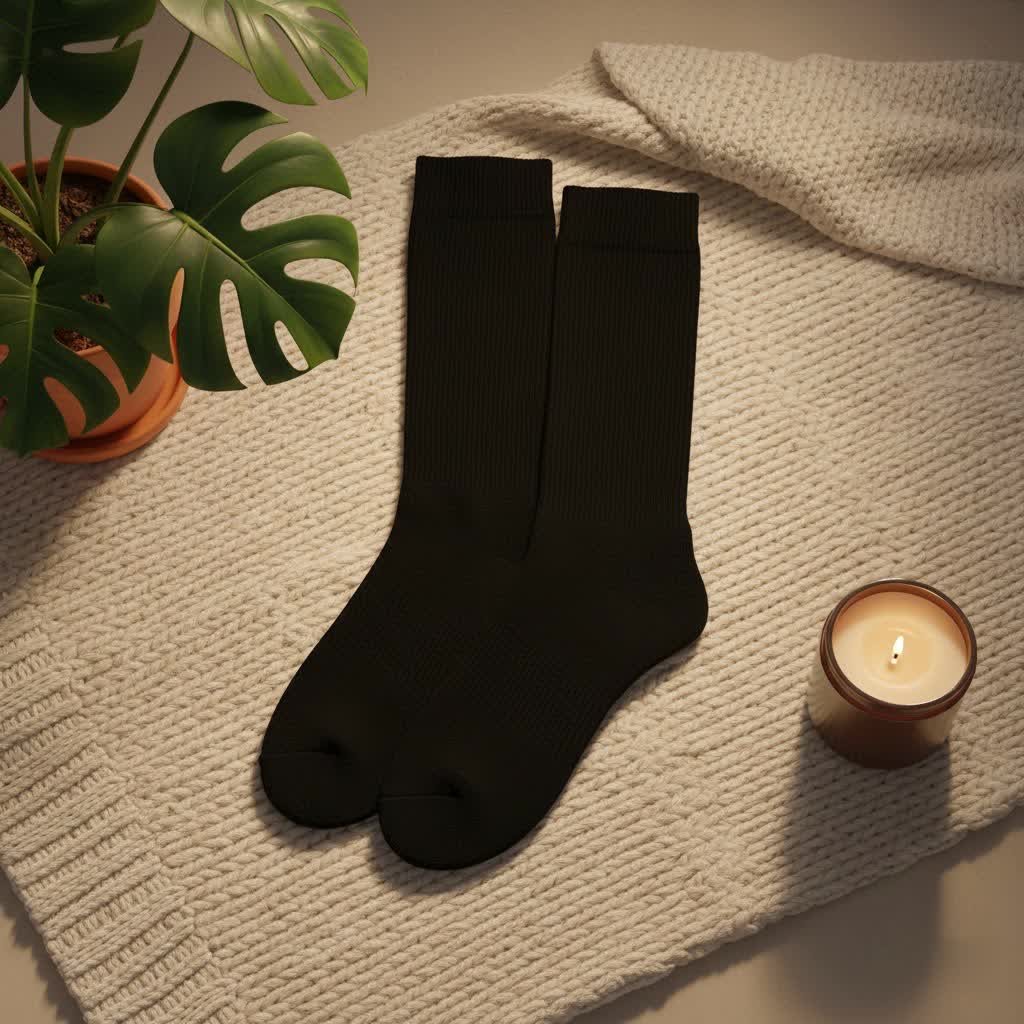
At their core, compression socks are specially designed garments that apply gentle, graduated pressure to your legs and feet. Imagine a firm, reassuring hug for your lower limbs. This pressure is tightest around the ankle and gradually lessens as it moves up the leg towards the knee or thigh. This unique design isn’t just for comfort; it plays a crucial role in supporting your body’s natural circulatory system.
The primary function of this graduated compression is to encourage blood flow back towards your heart, working against gravity. When blood pools in your lower extremities due to prolonged standing, sitting, or other factors, fluid can accumulate in the tissues, leading to swelling, medically known as edema. Compression socks help counteract this pooling, keeping fluids moving efficiently and preventing that uncomfortable puffiness from developing or worsening.
Benefits of Compression Socks for Swollen Feet
The advantages of incorporating compression socks into your daily routine extend far beyond just reducing visible swelling. They actively contribute to your overall leg health and comfort.
- Improved Blood Circulation: By applying graduated pressure, compression socks give your veins a helping hand, making it easier for blood to flow back to the heart. This enhanced circulation is vital for healthy legs and feet.
- Reduced Swelling and Fluid Retention: This is perhaps the most well-known benefit. The constant, gentle squeeze prevents fluid from accumulating in the tissues of your feet and ankles, significantly reducing and even preventing swelling. Many users experience noticeable relief within just a few hours of wearing them.
- Alleviation of Pain and Discomfort: Swelling often comes with aches and a feeling of heaviness. Compression socks can dramatically ease this discomfort, leaving your legs feeling lighter and more refreshed.
- Prevention of Serious Conditions: Beyond daily comfort, compression socks are a powerful tool in preventing more severe circulatory issues. They can help prevent the formation of blood clots, particularly deep vein thrombosis (DVT), which is a risk during long periods of immobility. They also support vein health, helping to prevent the progression of varicose veins and managing conditions like chronic venous insufficiency.
- Faster Muscle Recovery: For active individuals, compression socks can aid in post-exercise recovery by helping to flush out metabolic waste products from muscles, leading to less soreness and quicker rebound.
Who Should Use Compression Socks?
While many people can benefit from the comfort and circulatory support that compression socks offer, certain individuals and situations make them particularly beneficial.
- Individuals Who Stand or Sit for Prolonged Periods: If your job involves long hours on your feet (nurses, retail staff, teachers) or extended periods of sitting (office workers, long-haul drivers), compression socks can be a game-changer for preventing end-of-day foot and ankle swelling and fatigue.
- Athletes and Fitness Enthusiasts: From runners to weightlifters, athletes use compression socks both during activity to improve performance and post-workout to accelerate muscle recovery and reduce soreness.
- Pregnant Women: The increased blood volume and pressure on pelvic veins during pregnancy often lead to significant swelling in the feet and ankles. Moderate compression socks provide much-needed relief and support.
- Frequent Travelers: Long flights or car rides can cause fluid pooling due to immobility and cabin pressure changes. Wearing compression socks during travel is highly recommended to reduce swelling and mitigate the risk of DVT.
- People with Certain Medical Conditions:
- Varicose Veins: Compression helps manage symptoms and can prevent the progression of these bulging veins.
- Lymphedema: For severe swelling due to lymphatic system dysfunction, medical-grade compression helps manage fluid buildup.
- Chronic Venous Insufficiency: These socks assist veins that struggle to return blood to the heart, reducing chronic swelling.
- Diabetes: Specialized diabetic compression socks offer gentle support without restricting blood flow, which is crucial for diabetic foot health.
- Post-Surgery Recovery: Doctors often recommend compression socks to prevent blood clots and reduce swelling after certain surgical procedures.
Types of Compression Socks
Compression socks come in various forms, tailored to different needs and preferences. Understanding these classifications is key to choosing the right pair.
By Compression Level (mmHg)
The “millimeters of mercury” (mmHg) rating indicates the amount of pressure the sock applies. It’s crucial to match this to your specific needs.
- 8-15 mmHg (Mild): Ideal for first-time users, preventing tired, achy legs, and very mild ankle puffiness. Great for daily wear or light travel.
- 15-20 mmHg (Moderate): Suitable for managing minor to moderate swelling, preventing varicose veins, and for general travel. Often recommended for daily wear by those with regular swelling.
- 20-30 mmHg (Firm/Medical Grade): Provides medical-grade support for moderate to severe swelling, varicose veins, and post-surgical recovery. Often recommended by healthcare professionals.
- 30-40 mmHg+ (Extra Firm/Prescription Level): Used for severe venous conditions like lymphedema or advanced DVT. These typically require a doctor’s prescription and guidance.
|
Our Picks for the Best Compression Socks in 2026
As an Amazon Associate I earn from qualifying purchases.
|
||
| Num | Product | Action |
|---|---|---|
| 1 | CHARMKING Compression Socks for Women & Men Circulation (3 Pairs) 15-20 mmHg is Best Support for Athletic Running Cycling |

|
| 2 | CHARMKING Compression Socks for Women & Men Circulation (3 Pairs) 15-20 mmHg is Best Support for Athletic Running Cycling |
|
| 3 | CHARMKING Compression Socks for Women & Men Circulation (3 Pairs) 15-20 mmHg is Best Support for Athletic Running Cycling |
|
| 4 | MONFOOT Compression Socks for Men & Women, 15-20 mmHg (3 Pairs) - Best Circulation socks for Nurses, Athletic, Travel |
|
| 5 | FITRELL 3 Pairs Compression Socks for Women and Men 20-30mmHg-Circulation Support Socks |
|
| 6 | CHARMKING Compression Socks for Women & Men Circulation (3 Pairs) 15-20 mmHg is Best Support for Athletic Running Cycling |
|
| 7 | FITRELL 3 Pairs Compression Socks for Women and Men 20-30mmHg-Circulation Support Socks |
|
| 8 | CHARMKING Compression Socks for Women & Men Circulation (3 Pairs) 15-20 mmHg is Best Support for Athletic Running Cycling |
|
| 9 | FITRELL 3 Pairs Compression Socks for Women and Men 20-30mmHg-Circulation Support Socks |
|
| 10 | FITRELL 3 Pairs Compression Socks for Women and Men 20-30mmHg-Circulation Support Socks |
|
By Length
The length you choose depends on where you experience swelling and what provides the most comfort and support.
- Knee-High: The most common and versatile length, reaching just below the knee. Effective for swelling in the feet, ankles, and calves.
- Thigh-High: Extends up to the thigh. Used for more extensive swelling or specific medical conditions affecting the entire leg.
- Pantyhose/Hosiery: Covers the entire leg and waist, often used during pregnancy or for conditions affecting both legs and the pelvic area.
By Material
The fabric impacts comfort, durability, and specific benefits.
- Nylon/Spandex Blends: The most common choice. Nylon provides durability, while spandex offers elasticity. They are affordable, quick-drying, and retain compression well.
- Merino Wool Blends: A premium option known for natural temperature regulation, keeping feet cool in summer and warm in winter. They are soft, luxurious, and naturally odor-resistant, but require gentler care.
- Copper-Infused Fabrics: Some socks incorporate copper ions, claiming antimicrobial benefits and enhanced odor control.
- Bamboo Rayon: Offers exceptional softness and moisture-wicking properties, making it gentle on sensitive skin.
Selecting the Right Compression Socks: A Detailed Buying Guide
Choosing the perfect pair of compression socks is crucial for maximizing their benefits. A poorly fitted sock can be ineffective or, worse, detrimental.
1. Determine Your Purpose and Compression Level
- Mild Swelling/Preventative: If you experience occasional tiredness or mild puffiness after long days, 15-20 mmHg is a good starting point.
- Moderate to Severe Swelling/Medical Conditions: For persistent swelling, varicose veins, or post-surgical needs, 20-30 mmHg is often recommended. Always consult your doctor for medical-grade compression requirements.
2. Measure Accurately
This is the most critical step. Measure your legs first thing in the morning when swelling is minimal.
- Ankle Circumference: Measure the smallest part of your ankle, just above the ankle bone.
- Calf Circumference: Measure the widest part of your calf.
- Length: For knee-high socks, measure from the floor to just below your knee.
Compare these measurements to the brand’s specific sizing chart. Don’t rely on shoe size alone, as calf and ankle circumference are vital for proper compression.
3. Choose the Right Material for Comfort
Consider your lifestyle and climate:
- Active Lifestyle/Warm Climates: Look for moisture-wicking synthetic blends (nylon/spandex) to keep your feet dry.
- Sensitive Skin/Temperature Regulation: Merino wool or bamboo rayon blends offer natural comfort and breathability.
- Odor Control: Copper-infused or merino wool socks can provide natural antimicrobial properties.
4. Consider Design Features
- Open vs. Closed Toe: Open-toe designs can be more comfortable for those with sensitive toes or who find closed toes restrictive.
- Zippered Designs: If you have limited mobility or dexterity issues (e.g., arthritis, pregnancy), zippered compression socks (like Lemon Hero) make them significantly easier to put on and take off.
- Cushioning and Arch Support: Some socks offer extra padding in the footbed or integrated arch support for enhanced comfort, especially beneficial for those on their feet for long periods.
5. Consult a Healthcare Professional
If you have underlying medical conditions, severe swelling, skin sensitivities, or are unsure about the appropriate compression level, consult your doctor. They can provide personalized recommendations and ensure compression therapy is safe and effective for you.
Top Picks – Exploring Effective Compression Socks for Swollen Feet
The market offers a wide array of excellent compression socks designed to tackle feet swelling. Here are a few notable examples, demonstrating the diversity available:
| Brand/Type | Compression (mmHg) | Material | Key Feature | Pros | Cons |
|---|---|---|---|---|---|
| Doc Miller Open Toe | 20-30 | Medical-grade nylon, spandex | Open-toe design, wide size range | Medical-grade relief, breathable, durable | Can be difficult to put on, higher price point |
| CHARMKING 3-Pack | 15-20 | Nylon, spandex | Budget-friendly multipack | Excellent value, good for mild swelling, multiple colors | May lose elasticity faster, thinner material |
| Physix Gear Sport | 20-30 | Nylon/spandex blend | Superior stay-put design, athletic focus | Great for athletes/nurses, moisture-wicking, maintains compression | Top cuff can feel tight, foot portion can run slightly loose |
| Sockwell Circulator | 15-20 | Merino wool, bamboo rayon, nylon, spandex | Premium natural materials, made in USA | Superior temperature regulation, odor control, luxurious feel | Higher price, requires careful washing (air dry) |
| Lemon Hero Zipper | 15-20 | Medical-grade material with zipper | Revolutionary zipper for easy application | Ideal for limited mobility, skin-protecting zip guard | Zipper requires maintenance, slightly bulkier |
(This table provides a general overview based on common features and user feedback. Specific product details and pricing may vary.)
How to Use and Care for Compression Socks
Proper usage and care are essential to maximize the lifespan and effectiveness of your compression socks.
Correct Application
- Morning Routine: Put your compression socks on first thing in the morning, ideally before getting out of bed, as your feet are typically least swollen after a night of elevation. This makes them easier to apply and allows them to prevent fluid accumulation throughout the day.
- Inside-Out Method: Turn the sock inside out, except for the toe part. Slide your foot in until the toe and heel are correctly positioned. Then, gradually roll and pull the rest of the sock up your leg, smoothing out any wrinkles as you go. Rubber gloves can assist with grip.
- Avoid Wrinkles: Ensure the sock lies flat against your skin without any bunches or folds, as wrinkles can cause uneven pressure and discomfort.
- Donning Aids: Special devices like stocking sliders can make application significantly easier, especially for individuals with limited flexibility or strength.
Wearing Schedule
- Daily Wear: Typically worn throughout your active hours and removed before bed.
- Overnight: Generally, not recommended unless specifically prescribed by your doctor. Your legs naturally elevate during sleep, promoting drainage without additional compression.
Care and Maintenance
Treat your compression socks gently to preserve their elastic fibers.
- Hand Washing (Preferred): Use cool water and a mild detergent. Gently agitate for a few minutes, rinse thoroughly, and press out excess water without wringing. Lay flat or hang to air dry.
- Machine Washing (If Permitted): Use a lingerie bag, select a gentle/delicate cycle with cold water and mild detergent. Never use fabric softener or bleach.
- Avoid the Dryer: High heat can damage the elastic. Always air dry.
- When to Replace: Replace your socks every 3-6 months with daily wear, or when you notice visible stretching, sagging, decreased tightness, or loss of elasticity.
Conclusion
Living with swollen feet doesn’t have to be a daily struggle. Compression socks offer a straightforward, effective, and non-invasive solution to improve circulation, reduce fluid retention, and alleviate discomfort. By understanding how they work, choosing the right compression level and material, and adhering to proper wearing and care instructions, you can significantly enhance your comfort and overall leg health.
Whether you’re battling pregnancy-related puffiness, enduring long shifts on your feet, or seeking relief from chronic venous issues, the right pair of compression socks can truly be a game-changer. Take the step towards lighter, more energized legs today. What will you do with your newfound comfort and mobility?
Frequently Asked Questions
How quickly do compression socks reduce swelling in feet?
Most users experience noticeable reduction in swelling within 2-4 hours of wearing properly fitted compression socks. Consistent daily use over 1-2 weeks will provide maximum benefits as your circulatory system adapts to the enhanced support.
Can wearing compression socks incorrectly worsen swelling?
Yes, absolutely. If compression socks are too tight, improperly sized, or bunched up, they can restrict blood flow instead of improving it, potentially leading to increased swelling above the point of constriction or other discomforts. Always ensure a snug, smooth fit.
What’s the best compression level for general foot swelling?
For general or mild to moderate foot swelling, a compression level of 15-20 mmHg (moderate) is typically recommended. For more severe edema or conditions like varicose veins, a 20-30 mmHg (firm) medical-grade compression might be more suitable, often with a doctor’s recommendation.
