Living with lymphedema can present daily challenges, from persistent swelling to discomfort that impacts your quality of life. For many, finding effective management strategies is crucial, and among the most vital tools are compression socks. These specialized garments offer more than just support; they provide therapeutic pressure designed to alleviate symptoms, promote fluid movement, and empower individuals to navigate their condition with greater comfort and confidence. If you’re seeking a comprehensive understanding of how compression socks can make a difference in your lymphedema journey, this guide is for you. We’ll explore what makes these socks unique, their benefits, how to choose the perfect pair, and essential care tips to ensure lasting relief.
What Are Lymphedema Compression Socks?
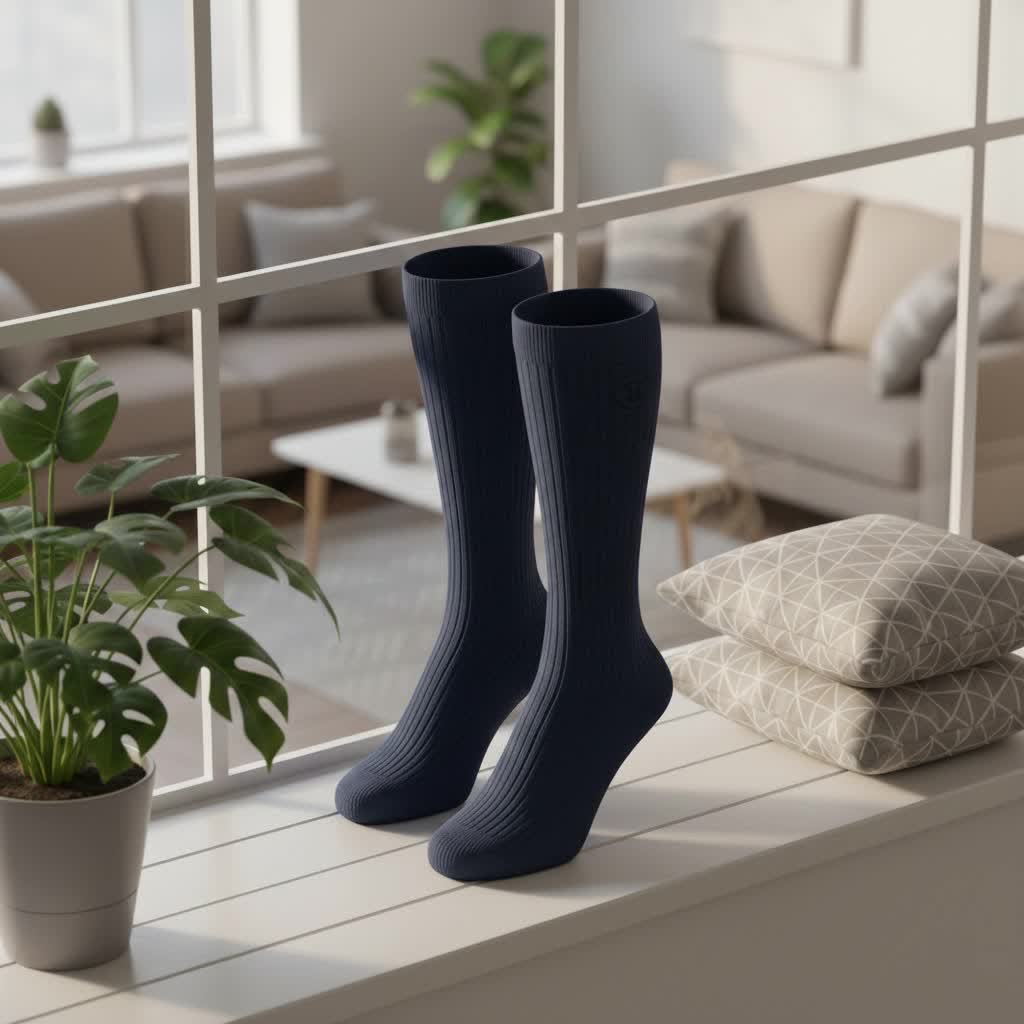
Lymphedema compression socks are specialized medical garments engineered to apply precise, graduated pressure to the affected limbs. Unlike regular socks, their primary purpose is to manage lymphatic fluid buildup, a hallmark of lymphedema, by supporting the body’s natural lymphatic drainage system. This therapeutic pressure is typically strongest at the ankle and gradually decreases upwards, effectively encouraging fluid to move out of the swollen area and back towards the heart. These socks are an integral part of a comprehensive lymphedema management plan, combining effective compression with designs suitable for all-day wear.
The Benefits of Compression Socks for Lymphedema
Compression socks play a pivotal role in managing lymphedema, offering a range of therapeutic benefits that significantly improve comfort and health outcomes.
- Improved Lymphatic Circulation: The graduated pressure applied by these socks helps to gently pump lymphatic fluid, facilitating its movement through compromised lymphatic vessels and preventing it from pooling in the extremities.
- Reduced Swelling and Fluid Buildup: By providing external pressure, compression socks actively work to limit the accumulation of lymph fluid, thereby reducing the painful swelling and heaviness often associated with lymphedema. This also helps prevent fluid from returning after decongestive therapy.
- Prevention of Progression and Complications: Consistent compression therapy can halt the worsening of lymphedema symptoms and minimize the risk of complications such as skin infections, fibrosis (hardening of the skin), and skin breakdown.
- Enhanced Comfort and Pain Relief: Many individuals with lymphedema experience sensations of tightness, aching, and discomfort. Compression socks alleviate these feelings by stabilizing the affected tissues and reducing pressure.
- Support for Skin Integrity: The steady pressure from compression garments provides support to the skin, helping to prevent damage, rashes, or sores that can arise from chronic swelling.
- Increased Mobility and Functionality: With reduced swelling and discomfort, patients often find it easier to move, engage in daily activities, and maintain an active lifestyle, improving overall quality of life.
Who Should Use Compression Socks for Lymphedema?
Compression socks are essential for anyone diagnosed with lymphedema, whether it’s primary lymphedema (present from birth due to lymphatic system abnormalities) or secondary lymphedema (often developing after surgery, cancer treatment, injury, or infection).
You might benefit from compression socks if you experience:
- Persistent swelling in one or both legs or feet.
- A heavy, tight, or “full” sensation in your limbs.
- Reduced flexibility in your ankles or knees.
- Thickening or hardening of the skin over time.
Athletes, pregnant individuals, and those who stand or sit for extended periods may also find general compression socks beneficial for mild swelling or fatigue. However, for lymphedema, it is crucial to consult a lymphedema specialist or healthcare professional to determine the appropriate type and level of compression. They can also be used preventatively for individuals at high risk, such as cancer patients undergoing certain treatments.
Classifying Compression Socks for Lymphedema
Compression Socks For Lymphedema come in various types, each designed to address specific needs based on the severity and location of swelling. Understanding these classifications is key to choosing the most effective garment.
By Compression Level (mmHg)
The pressure exerted by compression socks is measured in millimeters of mercury (mmHg). This is a critical factor and should always be determined by a healthcare professional.
- Mild (15-20 mmHg): Suitable for very mild swelling, minor aches, or preventative care. These can sometimes be purchased over-the-counter.
- Moderate (20-30 mmHg): This is a commonly recommended range for moderate lymphedema management. It provides firm support and helps prevent fluid accumulation.
- Firm (30-40 mmHg): Used for more severe cases of lymphedema, pronounced varicose veins, and post-surgical recovery. These typically require a prescription and medical supervision.
- Extra Firm (40-50+ mmHg): Reserved for severe lymphedema or conditions like deep vein thrombosis (DVT). These are extremely tight and almost always prescribed and monitored by a doctor. Higher classes (e.g., Class 3 or 4 in some classifications) fall into this category and are often custom-made.
|
Our Picks for the Best Compression Socks in 2026
As an Amazon Associate I earn from qualifying purchases.
|
||
| Num | Product | Action |
|---|---|---|
| 1 | CHARMKING Compression Socks for Women & Men Circulation (3 Pairs) 15-20 mmHg is Best Support for Athletic Running Cycling |

|
| 2 | FITRELL 3 Pairs Compression Socks for Women and Men 20-30mmHg-Circulation Support Socks |
|
| 3 | FITRELL 3 Pairs Compression Socks for Women and Men 20-30mmHg-Circulation Support Socks |
|
| 4 | FITRELL 3 Pairs Compression Socks for Women and Men 20-30mmHg-Circulation Support Socks |
|
| 5 | CHARMKING Compression Socks for Women & Men Circulation (3 Pairs) 15-20 mmHg is Best Support for Athletic Running Cycling |
|
| 6 | FITRELL 3 Pairs Compression Socks for Women and Men 20-30mmHg-Circulation Support Socks |
|
| 7 | CHARMKING Compression Socks for Women & Men Circulation (3 Pairs) 15-20 mmHg is Best Support for Athletic Running Cycling |
|
| 8 | CHARMKING Compression Socks for Women & Men Circulation (3 Pairs) 15-20 mmHg is Best Support for Athletic Running Cycling |
|
| 9 | MONFOOT Compression Socks for Men & Women, 15-20 mmHg (3 Pairs) - Best Circulation socks for Nurses, Athletic, Travel |
|
| 10 | CHARMKING Compression Socks for Women & Men Circulation (3 Pairs) 15-20 mmHg is Best Support for Athletic Running Cycling |
|
By Length
The appropriate length depends on where the lymphedema swelling occurs.
- Knee-High Socks: The most common option for mild to moderate lymphedema affecting the foot, ankle, or lower leg. They are generally easier to put on and take off.
- Thigh-High Stockings: Used when swelling extends above the knee and into the thigh.
- Pantyhose/Tights: Recommended for lymphedema affecting the entire leg, hip, or groin area.
- Compression Sleeves: For lymphedema affecting the arms.
- Compression Gloves/Gauntlets: To manage swelling in the hands and fingers, often worn with sleeves.
By Material
The material influences comfort, durability, and skin health.
- Nylon and Spandex Blends: Offer excellent elasticity, durability, and a smooth feel.
- Microfiber Blends: Known for their softness, breathability, and moisture-wicking properties, which help prevent skin irritation.
- Cotton: Often chosen for sensitive skin due to its natural, breathable qualities.
- Specialty Fibers (e.g., X-Static Silver): May be incorporated for anti-odor or antimicrobial benefits, especially for sensitive skin.
Seamless construction and breathable, moisture-wicking fabrics are often preferred to reduce irritation during extended wear.
By Knit Type
The manufacturing process affects the garment’s properties and suitability for different lymphedema stages.
- Circular Knit Garments: These are seamless, highly stretchy, and generally used for early or mild lymphedema where swelling is less pronounced and the limb shape is relatively uniform. They are often available as ready-to-wear products.
- Flat Knit Garments: Characterized by a visible seam, these garments are less stretchy but offer superior containment and a more custom fit. They are typically prescribed for moderate to severe lymphedema, irregular limb shapes, or when scar tissue is present. They often require custom measurements.
Comparison of Compression Socks for Lymphedema
| Type of Compression Sock | Compression Level (mmHg) | Length/Coverage | Material Examples | Key Advantages | Considerations |
|---|---|---|---|---|---|
| Knee-High | 15-20, 20-30 | Foot to knee | Nylon, Spandex, Microfiber | Easy to wear, good for lower leg swelling, common | Less effective for thigh/upper leg swelling |
| Thigh-High | 20-30, 30-40 | Foot to thigh | Nylon, Spandex, Cotton | Comprehensive leg coverage, supports entire limb | Can roll down, may be less comfortable in warmer climates |
| Pantyhose/Tights | 20-30, 30-40 | Entire leg & torso | Nylon, Spandex | Fullest coverage, ideal for widespread lymphedema | Can be difficult to don, may feel constrictive |
| Flat Knit | 20-30, 30-40, 40-50+ | Custom | Durable blends | Excellent containment for severe/irregular shapes, custom fit | Less aesthetic, may feel bulkier, often custom-made |
| Circular Knit | 15-20, 20-30 | Standard | Stretchy blends | More aesthetic, comfortable, suitable for mild/early lymphedema | Less containment for severe swelling |
How to Choose the Right Lymphedema Compression Socks (Buying Guide)
Selecting the correct compression socks for lymphedema is crucial for effective management and comfort. Here’s a detailed guide to help you make an informed decision:
- Consult a Healthcare Professional: This is the most vital step. A lymphedema specialist, physical therapist, or doctor will assess your condition, determine the appropriate compression level (mmHg), and recommend the correct length and type of garment. Self-prescribing, especially for moderate to severe lymphedema, can be ineffective or even harmful.
- Accurate Measurement is Key: Compression garments must fit precisely to provide effective pressure without constricting blood flow.
- Timing: Measure your legs first thing in the morning, when swelling is typically at its lowest.
- Points: Measure the circumference of your ankle (narrowest part above the bone), calf (widest part), and thigh (fullest part, if choosing thigh-high or pantyhose). Also measure leg length.
- Professional Help: Have a trained professional take these measurements to ensure accuracy.
- Select the Appropriate Compression Level: Based on your medical assessment, choose the mmHg level that corresponds to the severity of your lymphedema.
- Mild swelling often benefits from 15-20 mmHg, while moderate cases typically require 20-30 mmHg. More severe conditions necessitate 30-40 mmHg or higher.
- Choose the Right Length and Style: The garment should cover the entire area affected by lymphedema.
- If swelling is confined to the lower leg, knee-high socks are often sufficient.
- If swelling extends above the knee, thigh-high stockings or pantyhose will be necessary.
- Consider your lifestyle; knee-highs are generally easier for daily wear and activities.
- Consider Material and Comfort: Look for breathable, moisture-wicking fabrics like microfiber, nylon-spandex blends, or cotton to prevent skin irritation and ensure comfort, especially during extended wear. Seamless designs are often preferred to reduce friction.
- Evaluate Knit Type (Flat Knit vs. Circular Knit):
- For mild lymphedema or relatively uniform limb shapes, highly elastic circular knit garments might be suitable.
- For moderate to severe lymphedema, irregular limb shapes, or significant fibrosis, flat knit garments offer better containment and often a custom fit.
- Off-the-Shelf vs. Custom-Made:
- Ready-to-wear (off-the-shelf) garments are suitable for many individuals with standard limb shapes and mild to moderate lymphedema.
- Custom-made garments are often necessary for severe lymphedema, unusually shaped limbs, or when off-the-shelf options do not provide an optimal fit and compression.
- Prioritize Quality and Durability: Invest in reputable brands known for producing medical-grade compression garments. Durable materials will maintain their compression efficacy longer, providing consistent therapy.
“The right compression garment isn’t just about managing symptoms; it’s about reclaiming comfort and control in your daily life. A precise fit, determined with a specialist, is paramount.” – Dr. Emily R. Thorne, Certified Lymphedema Therapist
Top Picks – Reputable Brands for Lymphedema Compression Socks
When it comes to managing lymphedema, the quality and effectiveness of your compression garments are paramount. Several brands have established themselves as leaders in therapeutic compression wear. While personal preference and a professional fitting are key, here are some widely recognized and respected brands:
- Jobst: A long-standing name in compression therapy, Jobst offers a broad range of products, including various styles and compression levels suitable for different stages of lymphedema. They are known for their quality, durability, and often have innovative designs.
- Juzo: Juzo specializes in medical compression garments, providing both ready-to-wear and custom-made options. Their products are praised for comfort, style, and effective containment, with a focus on ease of donning and doffing. They offer different knit types like Dynamic, Expert, and Strong to cater to varying needs.
- Sigvaris: Sigvaris is another top-tier brand known for its commitment to quality and effectiveness. They provide a wide selection of styles with different compression levels, catering to both everyday use and athletic activities, and often offer options for sensitive skin.
- Medi: Medi is a global manufacturer of medical compression therapy products. Their Medi550 line is well-regarded for lymphedema management, offering specialized fabrics and designs for optimal therapeutic outcomes.
- Therafirm: Therafirm offers a range of compression socks and stockings, often focusing on comfortable, therapeutic support for various conditions, including lymphedema.
- LympheDIVAs: This brand stands out by offering stylish and vibrant compression sleeves and garments, aiming to empower patients to manage their lymphedema with confidence and personal flair. While known more for arm sleeves, they embody the idea of making medical wear more appealing.
- Doc Miller Sports: Offers compression socks prioritizing graduated compression, breathable fabrics, and everyday wearability, chosen by many looking for reliable compression without overly stiff materials.
These brands often offer products in both circular knit (more elastic, ready-to-wear) and flat knit (less elastic, better containment, often custom-made) to suit various lymphedema needs. Always consult your lymphedema specialist to determine the best brand and specific product for your individual requirements.
How to Use and Care for Your Lymphedema Compression Socks
Proper usage and consistent care are essential to maximize the therapeutic benefits and extend the lifespan of your lymphedema compression socks.
How to Wear Compression Socks Correctly
- Timing is Key: Always apply your compression garment first thing in the morning, ideally before you get out of bed and before any significant swelling can occur. Your limbs are typically at their smallest then, making the socks easier to put on.
- Preparation: Ensure your skin is clean and dry. If you use lotion, apply it at night after removing your socks and allow it to fully absorb.
- Donning Technique:
- Place your hand into the stocking with your palm up, gripping the heel of the sock.
- Turn the stocking inside out, almost like a sock puppet, leaving only the foot part intact.
- Slide your foot into the foot portion, ensuring your heel is properly seated in the heel pocket.
- Using both hands, gradually unroll and pull the fabric up your leg, one section at a time.
- Avoid Bunching: Make sure the fabric is spread evenly, with no folds, creases, or wrinkles, as these can create tourniquet effects and restrict circulation.
- Donning Aids: If you find them difficult to put on, consider using rubber donning gloves for a better grip, or a specialized donning device (stocking donner) available at medical supply stores. Your lymphedema nurse can demonstrate these tools.
- Wearing Duration: Most people are advised to wear their compression garments all day and remove them at night (bedtime). Follow your healthcare provider’s specific instructions on how long to wear them.
- Comfort Check: The socks should feel firm and supportive, but never painful, overly tight, or uncomfortable. If you experience pain, numbness, or skin irritation, consult your specialist.
How to Care for Your Compression Socks
- Washing Frequency: Daily washing is preferred, or at least every two days. Regular washing helps maintain the garment’s elasticity and removes sweat and skin cells, which is beneficial for skin health.
- Washing Method:
- Hand Washing: This is often recommended for longevity. Use mild soap and lukewarm water. Gently squeeze and agitate the fabric.
- Machine Washing: If using a machine, select a gentle cycle with lukewarm water. Place socks in a mesh laundry bag to protect them.
- Detergent: Use a standard mild detergent. Avoid harsh chemicals, bleach, fabric softeners, or additives, as these can damage the elastic fibers.
- Drying:
- Air Dry Only: After washing, gently roll the socks in a clean towel to remove excess water. Then, lay them flat or hang them loosely to air dry.
- Avoid Heat: Never put compression socks in a dryer, microwave, or expose them to direct heat (like radiators), as heat can permanently damage the elastic fibers and reduce their compression efficacy.
- Replacement: Compression garments lose their therapeutic effectiveness over time, typically every three to six months, even if they still feel tight. Replace your socks regularly to ensure consistent and effective compression therapy. Your specialist can advise on replacement schedules.
- Having Multiple Pairs: It’s beneficial to have at least two pairs of compression socks so you can wear one while the other is being washed and dried.
Conclusion
Managing lymphedema effectively often hinges on the consistent and correct use of compression socks. These specialized garments are more than just a medical necessity; they are a vital tool that can significantly improve your comfort, reduce swelling, prevent complications, and enhance your overall quality of life. From understanding the nuances of compression levels and knit types to mastering donning techniques and proper care, empowering yourself with knowledge is the first step toward finding lasting relief. Always remember to consult with a lymphedema specialist to ensure you select the right garment tailored to your unique needs. By embracing compression therapy, you can take control of your lymphedema and continue to live a full, active life.
What aspect of daily lymphedema management do you find most challenging?
Frequently Asked Questions
What are the different compression levels for lymphedema?
Compression levels for lymphedema are measured in millimeters of mercury (mmHg). They typically range from mild (15-20 mmHg) for light swelling, to moderate (20-30 mmHg) for general management, and firm (30-40 mmHg) or extra firm (40-50+ mmHg) for more severe cases. A healthcare professional will determine the appropriate level for your condition.
How do you measure for lymphedema compression socks?
Accurate measurement is crucial. You should measure your ankle, calf, and thigh circumference, as well as the length from your foot to the desired top of the sock, first thing in the morning when swelling is minimal. It’s highly recommended to have a trained lymphedema specialist take these measurements.
Can you wear lymphedema compression socks at night?
Generally, most lymphedema compression socks designed for daytime wear should be removed at night. However, some specialists may recommend specific nighttime compression garments or wraps that are bulkier and provide different pressure for overnight use. Always follow your doctor’s advice.
How often should lymphedema compression socks be washed?
Compression socks should ideally be washed daily or at least every two days. Regular washing helps maintain their elasticity, removes sweat and skin cells, and ensures the garment continues to provide effective compression therapy. Hand washing with mild soap and air drying is often recommended.
What is the difference between circular and flat knit compression garments?
Circular knit garments are seamless, more elastic, and generally used for mild lymphedema with regular limb shapes. Flat knit garments have a visible seam, are less stretchy, and offer superior containment for moderate to severe lymphedema or irregular limb shapes, often requiring custom fitting.
