Waking up with an uncontrollable urge to move your legs can turn peaceful nights into a frustrating battle against discomfort. This common, often disruptive condition, known as Restless Legs Syndrome (RLS), affects millions, leading to disrupted sleep and daytime fatigue. While various treatments exist, many individuals are discovering a simple, non-invasive solution: compression socks. These specialized garments apply gentle, consistent pressure to your lower limbs, offering a unique approach to managing the sensations that keep you from restful sleep. This comprehensive guide explores how compression socks work, who can benefit, and how to choose and use them effectively to find relief for your restless legs.
What Are Compression Socks?
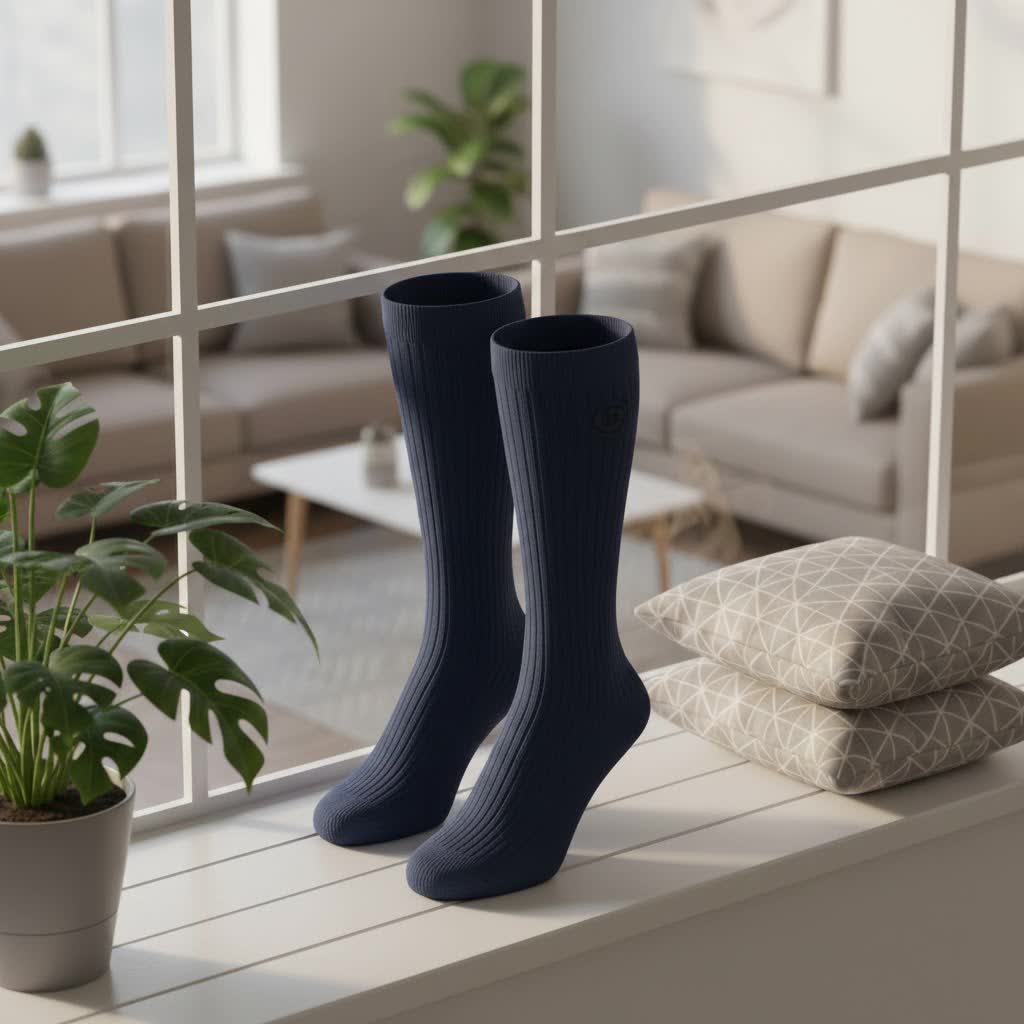
Compression socks are elastic garments designed to apply pressure to the legs, primarily to promote better blood flow. They work by gently squeezing the leg tissues and veins, helping to push blood back towards the heart and preventing it from pooling in the lower extremities. While traditionally used for conditions like varicose veins or swelling, their graduated pressure and supportive embrace have made them a popular choice for alleviating the discomfort associated with restless legs.
Different types of compression socks are available, varying by their compression level, length, and material. Graduated compression socks are particularly effective, providing the strongest pressure at the ankle and gradually decreasing it up the leg. They come in various lengths, such as knee-high, thigh-high, or pantyhose styles, with knee-high being a common recommendation for RLS. Materials range from cotton to advanced synthetic blends like nylon, spandex, and Merino wool, offering different levels of breathability and comfort.
Benefits of Compression Socks for Restless Legs
For those grappling with RLS, compression socks offer a range of benefits that can significantly improve comfort and sleep quality. Their targeted action helps to soothe the unique sensations of restless legs through several mechanisms:
- Improved Blood Circulation: Compression socks facilitate healthier blood flow, reducing the “heavy leg” feeling and ensuring that oxygen and nutrients reach the leg muscles more efficiently. This enhanced circulation can calm muscle activity and diminish the uncomfortable urges to move.
- Reduced Swelling and Fluid Buildup: By preventing blood from pooling in the veins, compression socks can significantly reduce leg swelling. Less fluid retention means less pressure on nerves and muscles, which can otherwise exacerbate RLS symptoms.
- Support for Muscle Fatigue: The gentle, consistent pressure from compression socks supports tired leg muscles, helping to reduce fatigue. This support can minimize the twitching, cramping, and restless sensations that often intensify at night.
- Enhanced Nerve Function: Better circulation means more oxygen reaching the nerves in your legs. This can help ease the tingling, burning, or “creepy-crawly” sensations often reported by individuals with RLS.
- Counter-Stimulation: The steady pressure of compression socks acts as a constant, gentle counter-stimulus to the unpleasant sensations of RLS. Many users find this external pressure more noticeable and less irritating than the internal discomfort, effectively distracting from the urge to move.
- Better Sleep Quality: Ultimately, by addressing the underlying factors and providing soothing pressure, compression socks can lead to a noticeable reduction in nighttime twitching and discomfort, paving the way for more restorative and uninterrupted sleep.
Who Should Use Compression Socks for RLS?
Compression socks can be a beneficial aid for a diverse group of individuals experiencing restless legs. While they are not a cure, they can be an effective part of a broader management strategy for those with mild to moderate symptoms.
- Individuals with Mild to Moderate RLS: If your RLS symptoms are not severe and you’re seeking a non-pharmacological way to manage them, compression socks are a great starting point.
- People with Poor Circulation, Swelling, or Varicose Veins: Since RLS symptoms are often linked to circulatory issues or venous insufficiency, those with pre-existing conditions that affect leg circulation may find particular relief.
- Pregnant Women: Pregnancy is a common trigger for RLS. Compression socks can offer much-needed comfort by supporting circulation and reducing leg swelling during this period.
- Those Who Stand or Sit for Extended Periods: If your job or lifestyle involves prolonged periods of inactivity or standing, compression socks can help counteract blood pooling and leg fatigue, which can contribute to RLS symptoms.
It is always advisable to consult with a healthcare provider, especially if you have severe RLS or underlying medical conditions, to ensure compression therapy is appropriate for your specific needs.
Understanding Compression Levels
Compression socks are categorized by their level of pressure, measured in millimeters of mercury (mmHg). Choosing the right level is crucial for comfort and effectiveness, especially for restless legs.
- Mild Compression (8-15 mmHg): Offers light support, suitable for minor swelling or general leg fatigue. It’s often found in over-the-counter support hosiery.
- Moderate Compression (15-20 mmHg): This is often the recommended starting point for individuals with RLS. It provides effective pressure to improve circulation and alleviate discomfort without being overly restrictive. Many find this level ideal for daily wear and even for sleeping.
- Firm Compression (20-30 mmHg): Provides stronger pressure, often prescribed for more significant medical conditions like moderate varicose veins, DVT prevention, or post-surgical recovery. It may be too intense for initial RLS relief without professional guidance.
- Extra Firm Compression (30-40 mmHg+): These are medical-grade compression garments, typically prescribed and fitted by a doctor for severe conditions.
For restless legs, the goal is gentle yet effective pressure. “A moderate compression level (15-20 mmHg) usually provides enough support without discomfort,” advises experts in vein health. Starting with this range allows your legs to adapt while offering noticeable relief.
Choosing the Right Compression Socks for RLS
Selecting the ideal pair of compression socks involves considering several key features to ensure both comfort and maximum benefit for restless legs.
Graduated Compression
|
Our Picks for the Best Compression Socks in 2026
As an Amazon Associate I earn from qualifying purchases.
|
||
| Num | Product | Action |
|---|---|---|
| 1 | CHARMKING Compression Socks for Women & Men Circulation (3 Pairs) 15-20 mmHg is Best Support for Athletic Running Cycling |

|
| 2 | CHARMKING Compression Socks for Women & Men Circulation (3 Pairs) 15-20 mmHg is Best Support for Athletic Running Cycling |
|
| 3 | FITRELL 3 Pairs Compression Socks for Women and Men 20-30mmHg-Circulation Support Socks |
|
| 4 | FITRELL 3 Pairs Compression Socks for Women and Men 20-30mmHg-Circulation Support Socks |
|
| 5 | CHARMKING Compression Socks for Women & Men Circulation (3 Pairs) 15-20 mmHg is Best Support for Athletic Running Cycling |
|
| 6 | CHARMKING Compression Socks for Women & Men Circulation (3 Pairs) 15-20 mmHg is Best Support for Athletic Running Cycling |
|
| 7 | FITRELL 3 Pairs Compression Socks for Women and Men 20-30mmHg-Circulation Support Socks |
|
| 8 | MONFOOT Compression Socks for Men & Women, 15-20 mmHg (3 Pairs) - Best Circulation socks for Nurses, Athletic, Travel |
|
| 9 | CHARMKING Compression Socks for Women & Men Circulation (3 Pairs) 15-20 mmHg is Best Support for Athletic Running Cycling |
|
| 10 | FITRELL 3 Pairs Compression Socks for Women and Men 20-30mmHg-Circulation Support Socks |
|
Always look for socks with graduated compression. This design is tighter at the ankle and gradually lessens pressure towards the calf and knee. This progressive squeeze is vital for effectively pushing blood upwards and preventing pooling, which is crucial for RLS relief.
Moderate Compression Level (15-20 mmHg)
As previously discussed, a moderate compression level (15-20 mmHg) is typically recommended for RLS. This range provides the necessary support to improve circulation and offer counter-stimulation without feeling too tight or uncomfortable, making them suitable for extended wear, including during rest.
Breathable, Soft Fabric
Comfort is paramount, especially if you plan to wear them for several hours or overnight. Opt for socks made from breathable, moisture-wicking materials such as:
- Merino wool: Naturally temperature-regulating and soft.
- Bamboo rayon: Known for its softness and moisture-wicking properties.
- Nylon and spandex blends: Durable, elastic, and often quick-drying.
These materials help keep your legs cool and comfortable, preventing irritation that could worsen restless sensations.
Knee-High Design
For most RLS sufferers, knee-high compression socks are the most effective. They target the lower leg muscles and veins, which are most commonly affected by poor circulation and RLS symptoms. This length provides comprehensive support to the calves and ankles without restricting movement higher up the leg.
Proper Sizing and Fit
The effectiveness of compression socks hinges on a proper fit. Socks that are too loose won’t provide adequate compression, while those that are too tight can cut off circulation and cause discomfort.
- Measure Accurately: Measure your ankle circumference at its narrowest point and your calf circumference at its widest point. Also, measure the length from the floor to just below your knee.
- Consult Size Charts: Compare your measurements to the manufacturer’s size chart.
- Avoid Bunching: The socks should fit smoothly without wrinkles or bunching, especially around the ankle and behind the knee.
Consulting a Healthcare Professional
While compression socks are generally safe, if you have any underlying health conditions like diabetes, peripheral artery disease, or severe circulatory issues, or if you are unsure about the right compression level, it is always best to consult a healthcare provider before starting compression therapy.
How to Use and Care for Compression Socks
Proper usage and care are essential to maximize the benefits and extend the lifespan of your Compression Socks For Restless Legs.
How to Wear Compression Socks
Putting on compression socks correctly can take a bit of practice due to their snug fit:
- Start Early: It’s often easiest to put them on in the morning when your legs are least swollen.
- Turn Inside Out (Partially): Reach inside the sock and pull it inside out down to the heel.
- Position Foot: Slip your foot into the foot part, ensuring your heel is correctly seated in the heel pocket.
- Roll Up Gradually: Gently roll the sock up your leg, smoothing out any wrinkles as you go. Avoid pulling or stretching it too forcefully.
- Smooth Evenly: Ensure the fabric is distributed evenly without any bunching, especially behind the knee.
To remove, grasp the top band, pull it down and turn it inside out as you peel it off your leg.
When to Wear
For RLS, consistency is key. Many individuals find relief by wearing them:
- During the Day: If you spend long hours standing or sitting, wearing them throughout the day can prevent symptoms from worsening in the evening.
- In the Evening: Wearing them a few hours before bed can help preempt nighttime discomfort.
- Overnight: Some individuals find significant relief sleeping in compression socks, as they provide continuous counter-stimulation and circulatory support. However, it’s important to discuss this with your doctor to ensure it’s appropriate for your specific condition and compression level.
Washing and Care
Proper care maintains elasticity and hygiene:
- Hand Wash Recommended: Hand washing in cool water with a mild soap is ideal.
- Machine Wash (Delicate): If machine washing, use a delicate cycle with cool water and place socks in a mesh laundry bag.
- Avoid Bleach and Harsh Detergents: These can damage the elastic fibers.
- Air Dry: Always air dry them flat or hang them. Never put them in a dryer, as high heat can destroy the elastic.
- Replace Regularly: Depending on wear and tear, compression socks should typically be replaced every 3-6 months to ensure they maintain their therapeutic compression level.
Conclusion
Restless Legs Syndrome can be a deeply unsettling condition, disrupting sleep and impacting overall quality of life. Compression socks offer a promising, non-invasive avenue for relief, working by enhancing blood circulation, reducing swelling, and providing comforting counter-pressure to those persistent urges. By understanding what to look for—graduated compression, a moderate 15-20 mmHg level, breathable materials, and a proper knee-high fit—you can make an informed choice. Remember, while compression socks are a powerful tool for managing symptoms, they are most effective when integrated into a holistic approach that may include lifestyle adjustments and, when necessary, professional medical advice. Don’t let restless legs steal another night’s sleep; explore the potential of compression socks and reclaim your calm.
What changes will you make tonight to embrace more restful sleep?
Frequently Asked Questions
Do compression socks really help with restless legs?
Yes, for many individuals, compression socks can significantly alleviate RLS symptoms by improving blood circulation and providing a gentle, consistent pressure that acts as a counter-stimulus to uncomfortable sensations. This can lead to reduced twitching and improved sleep quality.
How long should I wear compression socks for restless legs?
You can wear compression socks during the day to prevent symptoms or in the evening a few hours before bedtime. Some people also wear them overnight for continuous relief, but it’s best to consult a healthcare provider for personalized advice, especially for overnight use.
What level of compression is best for RLS?
A moderate compression level, typically 15-20 mmHg, is generally recommended for restless legs. This range provides effective therapeutic benefits without being overly tight, promoting comfort for extended wear.
Can I sleep in compression socks if I have RLS?
While some individuals find relief by sleeping in compression socks, it is crucial to consult with a healthcare professional before doing so. They can help determine if it’s appropriate for your specific condition and advise on the safest compression level.
What kind of material should I look for in RLS compression socks?
Look for breathable, moisture-wicking materials such as Merino wool, bamboo rayon, or high-quality nylon and spandex blends. These fabrics help maintain comfort and prevent overheating, which is important for nighttime wear.
