Shin splints are a runner’s bane, a familiar ache that can sideline even the most dedicated athletes. That nagging pain along your shinbone, officially known as Medial Tibial Stress Syndrome (MTSS), often arises from the repetitive stress of high-impact activities. If you’ve ever felt this discomfort, you know how frustrating it can be to push through or even stop your routine altogether. Fortunately, there’s a widely recognized tool that can offer significant relief and support: compression socks. This comprehensive guide will explore how these specialized garments work, who can benefit from them, how to choose the right pair, and tips for their optimal use and care to help you get back on your feet and stay active.
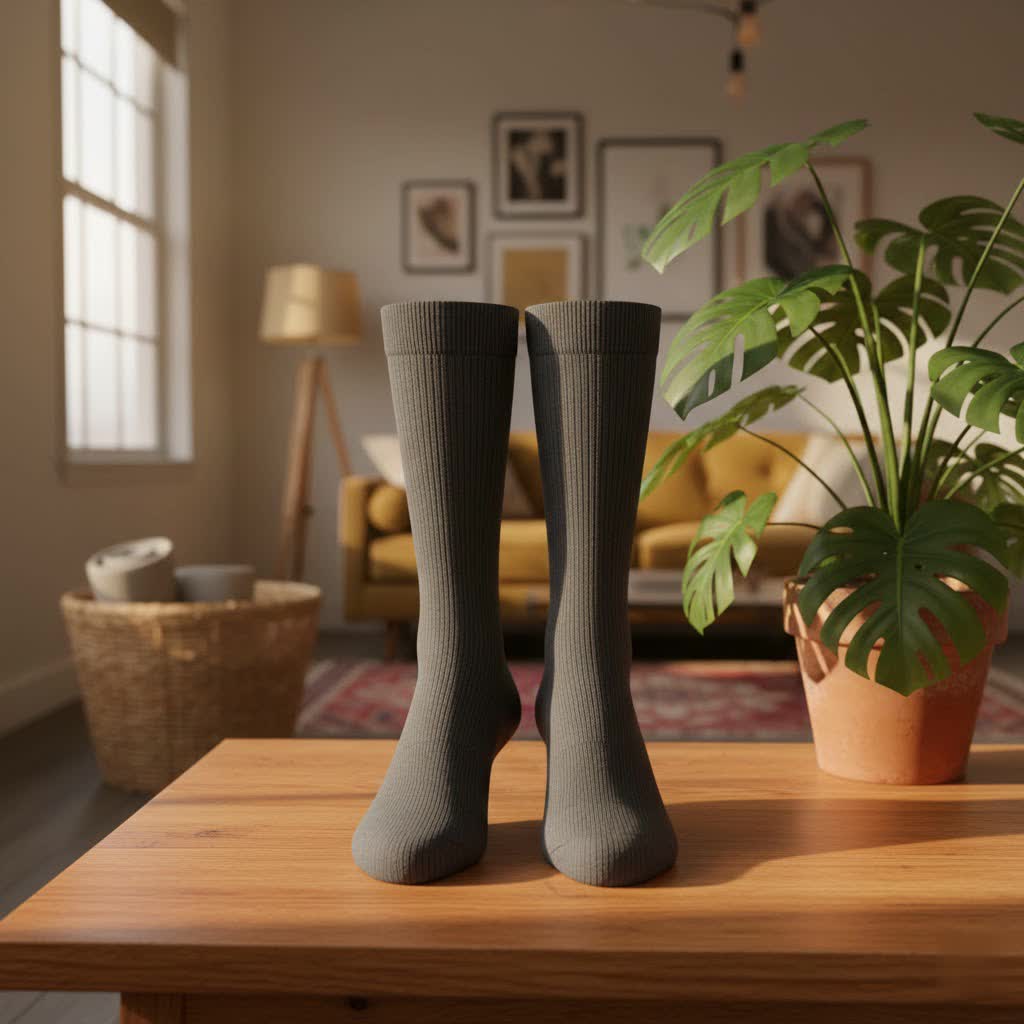
What Exactly Are Compression Socks?
Compression socks are specially designed hosiery that applies gentle pressure to your legs. Unlike regular socks, they feature graduated compression, meaning the pressure is strongest at the ankle and gradually decreases as it moves up the leg towards the knee. This intentional design is crucial for promoting better blood flow and providing targeted support.
For individuals dealing with shin splints, compression socks primarily work by stabilizing the muscles in the lower leg. This reduces muscle vibration during physical activity, a key factor in the microtrauma that contributes to shin splint pain. By enhancing blood circulation, they also help deliver vital oxygen and nutrients to stressed tissues while facilitating the removal of metabolic waste products, such as lactic acid, which can build up and cause soreness.
The Benefits of Compression Socks for Shin Splints
Wearing compression socks can offer a range of benefits when managing and preventing shin splints:
- Improved Blood Circulation: The graduated pressure encourages blood flow back towards the heart, ensuring that oxygen-rich blood reaches the muscles and tissues in your shins. This improved circulation is essential for healing and recovery.
- Reduced Swelling and Inflammation: By gently compressing the affected area, these socks help manage the mild inflammation and fluid buildup often associated with shin splints, leading to a noticeable reduction in swelling and discomfort.
- Muscle Stabilization and Reduced Vibration: The snug fit helps to stabilize the tibialis muscles along the shinbone, minimizing the repetitive muscle oscillation that occurs during high-impact activities like running. This stabilization reduces strain and microtrauma, which are primary causes of shin splints.
- Pain Alleviation: Many users report a significant decrease in pain and tenderness thanks to the external support and reduced inflammation provided by the socks.
- Faster Recovery: Enhanced blood flow assists in clearing metabolic waste and delivering nutrients more efficiently, which can shorten the recovery process after intense workouts or injury.
- Prevention of Re-Injury: Consistent use during and after activity can support the lower leg muscles and tendons, reducing the risk of overuse injuries and helping to prevent shin splints from recurring.
Who Should Consider Using Compression Socks?
Compression socks are a valuable tool for a variety of individuals prone to shin splints:
- Athletes and Runners: Particularly those involved in high-impact sports, running, or activities that involve repetitive lower leg movements.
- Individuals with Rigorous Training Regimens: Military personnel, ballet dancers, and others whose routines place significant stress on their lower legs.
- People Standing or Sitting for Extended Periods: While not directly for shin splints, individuals who spend long hours on their feet or sitting can benefit from improved circulation, which also supports overall leg health.
- Those Experiencing Shin Pain: If you frequently suffer from tenderness, soreness, or pain along your shinbone during or after exercise, compression socks can provide targeted relief.
- Individuals Seeking Faster Recovery: For anyone looking to reduce muscle soreness and expedite the healing process post-workout or post-injury.
Exploring the Different Types of Compression Socks
Compression socks come in various forms, each offering specific benefits depending on your needs:
By Compression Level (mmHg)
The unit “mmHg” (millimeters of mercury) indicates the level of pressure applied. Higher mmHg values mean stronger compression.
- Mild Compression (8-15 mmHg): Offers gentle support, ideal for general wellness, long work days, light activities, or travel.
- Moderate Compression (15-20 mmHg): A popular choice for shin splint management, everyday wear, and post-exercise recovery. It provides noticeable support without feeling overly restrictive.
- Firm Compression (20-30 mmHg): Often recommended for active shin splint treatment, intense training sessions, marathon running, and managing certain medical conditions. It delivers a more substantial level of pressure.
- Medical-Grade Compression (30-40 mmHg+): These are higher compression levels typically prescribed by a doctor for specific medical conditions and should be used under professional guidance.
|
Our Picks for the Best Compression Socks in 2026
As an Amazon Associate I earn from qualifying purchases.
|
||
| Num | Product | Action |
|---|---|---|
| 1 | FITRELL 3 Pairs Compression Socks for Women and Men 20-30mmHg-Circulation Support Socks |

|
| 2 | CHARMKING Compression Socks for Women & Men Circulation (3 Pairs) 15-20 mmHg is Best Support for Athletic Running Cycling |
|
| 3 | MONFOOT Compression Socks for Men & Women, 15-20 mmHg (3 Pairs) - Best Circulation socks for Nurses, Athletic, Travel |
|
| 4 | CHARMKING Compression Socks for Women & Men Circulation (3 Pairs) 15-20 mmHg is Best Support for Athletic Running Cycling |
|
| 5 | FITRELL 3 Pairs Compression Socks for Women and Men 20-30mmHg-Circulation Support Socks |
|
| 6 | CHARMKING Compression Socks for Women & Men Circulation (3 Pairs) 15-20 mmHg is Best Support for Athletic Running Cycling |
|
| 7 | CHARMKING Compression Socks for Women & Men Circulation (3 Pairs) 15-20 mmHg is Best Support for Athletic Running Cycling |
|
| 8 | FITRELL 3 Pairs Compression Socks for Women and Men 20-30mmHg-Circulation Support Socks |
|
| 9 | FITRELL 3 Pairs Compression Socks for Women and Men 20-30mmHg-Circulation Support Socks |
|
| 10 | CHARMKING Compression Socks for Women & Men Circulation (3 Pairs) 15-20 mmHg is Best Support for Athletic Running Cycling |
|
By Length
The length of the sock determines the area of the leg it supports.
- Knee-High Compression Socks: The most common and highly effective option for shin splints, as they provide comprehensive coverage from the foot to just below the knee, targeting the entire lower leg.
- Calf Sleeves: These provide focused compression specifically on the calf and shin without covering the foot. They can be worn with your preferred running socks.
- Ankle Compression Socks: Primarily support the foot and ankle, offering less benefit for shin splints compared to knee-high socks or calf sleeves.
By Material
The fabric choice impacts comfort, breathability, and durability.
- Nylon and Spandex Blends: These are common performance materials known for their stretch, durability, and moisture-wicking properties, making them suitable for active wear.
- Merino Wool: Offers excellent moisture regulation, thermoregulation (keeping feet warm in cold, cool in heat), and natural odor resistance, ideal for comfort and longer wear.
- Cotton and Bamboo Rayon Blends: Provide softness and breathability, good for everyday wear or lighter activity.
Comparison of Compression Sock Types
| Type of Compression Sock | Compression Level (mmHg) | Length | Primary Materials | Key Benefits |
|---|---|---|---|---|
| Mild | 8-15 | Knee-high | Nylon, Cotton | General wellness, light support, travel |
| Moderate | 15-20 | Knee-high | Nylon, Spandex, Wool | Shin splint relief, everyday use, light activity |
| Firm | 20-30 | Knee-high | Nylon, Spandex | Active shin splint treatment, intense training |
| Calf Sleeve | 15-30 | Calf | Nylon, Spandex | Targeted shin/calf support, pairs with any sock |
How to Choose the Right Compression Socks for Shin Splints
Selecting the perfect pair of compression socks is essential for maximizing their effectiveness and comfort.
- Determine Your Purpose: Are you looking for daily preventive support, active treatment during exercise, or enhanced recovery post-workout? This will guide your choice of compression level.
- Measure Accurately: A proper fit is paramount. Measure your calf circumference at its widest point, and your ankle circumference at its narrowest point. For full socks, also measure your calf length from the floor to just below your knee. Use these measurements to consult the manufacturer’s sizing chart.
- Choose the Appropriate Compression Level: For shin splints, moderate (15-20 mmHg) to firm (20-30 mmHg) graduated compression is generally recommended. If you’re unsure or have existing medical conditions, consult a healthcare professional.
- Consider the Length: Knee-high socks or calf sleeves are most effective for shin splints as they cover the necessary area.
- Select Comfortable Materials: Opt for breathable, moisture-wicking fabrics if you plan to wear them during exercise to keep your skin dry. For daily wear or recovery, softer blends like merino wool can provide added comfort.
- Ensure a Snug, Non-Painful Fit: The socks should feel firm but not overly tight or painful. They should not leave deep indentations or restrict your range of motion. There should be no wrinkles or excessive fabric bunching.
Top Picks: Trusted Brands for Shin Splint Relief
Many reputable brands offer high-quality compression socks designed to aid with shin splints. Brands like CEP, Rockay, Zensah, Physix Gear, Bombas, Sockwell, and Crucial Compression are frequently praised by athletes and users. These brands typically feature graduated compression, durable and breathable fabrics like nylon, spandex, or merino wool, and ergonomic designs that provide targeted support. Many also offer features like arch support and reinforced cushioning for enhanced comfort during activity and recovery. When exploring options, look for brands that clearly state their mmHg compression levels and provide detailed sizing guides to ensure you find a pair that meets your specific needs.
How to Use and Care for Your Compression Socks
Proper usage and care are key to getting the most out of your compression socks and prolonging their lifespan.
How to Use
- Wear During Activity: Don them before running or engaging in high-impact exercises to stabilize muscles and reduce vibration, potentially preventing shin splints.
- Post-Exercise Recovery: Continue wearing them for several hours after your workout (e.g., 6-8 hours) to promote blood flow, reduce lactic acid buildup, and aid in faster muscle recovery.
- Proper Application: Roll the sock down to the ankle, then gradually pull it up your leg, smoothing out any wrinkles as you go. Ensure the heel is properly aligned.
- Listen to Your Body: While beneficial, avoid wearing them if they cause numbness, tingling, or increased pain. Generally, it’s not recommended to sleep in them for shin splints, as movement during the day maximizes their circulatory benefits.
How to Care
- Washing: Most compression socks should be hand-washed with mild soap and cold water or machine-washed on a gentle cycle in cold water. Using a mesh laundry bag can help protect them.
- Drying: Air dry them by laying them flat or hanging them. Avoid high heat from a dryer, as it can damage the elastic fibers and reduce their compression effectiveness.
- Avoid Harsh Chemicals: Do not use bleach, fabric softeners, or harsh detergents, as these can break down the fabric’s elasticity.
Conclusion
Shin splints don’t have to be a recurring nightmare that keeps you from your active lifestyle. Compression socks offer a straightforward and effective solution, working diligently to improve blood flow, reduce muscle vibration, and alleviate the pain and swelling associated with this common condition. By choosing the right compression level, length, and material, and by incorporating them properly into your routine, you can significantly support your lower legs. Remember, while compression socks are a powerful tool, they are most effective when used as part of a holistic approach that includes adequate rest, appropriate training progression, and listening to your body. Give your shins the support they deserve and experience the difference in your performance and recovery.
Are you ready to embrace a more comfortable, pain-free active journey with the right pair of compression socks?
Frequently Asked Questions
Can compression socks truly prevent shin splints?
Compression socks can significantly reduce the risk factors associated with shin splints by stabilizing muscles, reducing vibration, and improving blood flow. However, prevention also relies on a balanced training regimen, proper footwear, and good running form. They are a valuable component of a preventive strategy.
How quickly will I feel relief from shin splints with compression socks?
Many individuals report immediate support and a reduction in discomfort when wearing compression socks. The long-term benefits of reduced inflammation and faster recovery build over consistent use, particularly when combined with rest and other therapies.
Are calf sleeves or full compression socks better for shin splints?
Both calf sleeves and full knee-high compression socks can be effective. Full socks provide comprehensive support from the foot to the knee, while calf sleeves offer targeted compression around the shin and calf, allowing you to wear your preferred athletic socks for the foot. The choice often comes down to personal comfort and preference.
Should I sleep in compression socks for shin splints?
For shin splints, it’s generally not recommended to sleep in compression socks. Their primary benefits—enhancing circulation and stabilizing muscles—are most impactful during waking hours and physical activity. Wearing them during the day and after exercise is usually sufficient for recovery and symptom management.
What compression level is best for shin splints?
For most cases of shin splints, a moderate (15-20 mmHg) or firm (20-30 mmHg) graduated compression level is recommended. Mild compression (8-15 mmHg) can be used for light prevention or general comfort, while higher levels (30-40 mmHg+) are typically reserved for specific medical conditions under professional guidance.
