Experiencing swollen legs, ankles, or feet can be incredibly uncomfortable, impacting your daily activities and overall well-being. Whether it’s due to long hours on your feet, extensive travel, pregnancy, or underlying health conditions, swelling can leave your limbs feeling heavy, achy, and even painful. Fortunately, there’s a simple yet highly effective solution embraced by many: compression socks. These specialized garments are designed to provide therapeutic relief, significantly reducing swelling and improving your quality of life. This guide will explore what compression socks are, how they work to combat swelling, their key benefits, who can benefit most, how to choose the right pair, and essential care tips.
What Are Compression Socks?
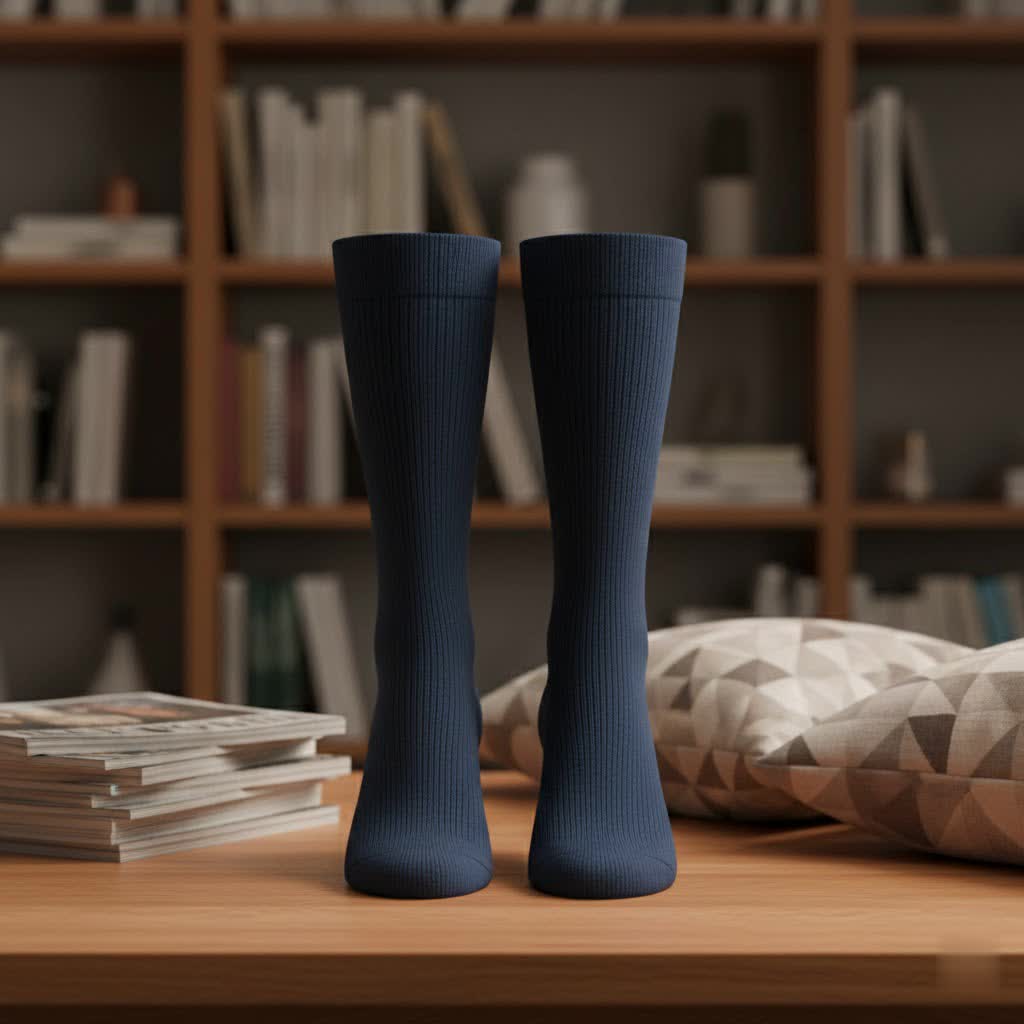
Compression socks, often referred to as compression stockings, are elastic garments specifically engineered to apply gentle yet firm pressure to your legs and ankles. Unlike regular socks, they feature a graduated compression design, meaning the pressure is strongest at the ankle and gradually decreases as it moves up the leg. This intelligent design is crucial for promoting healthy circulation and preventing the uncomfortable fluid buildup that leads to swelling.
The Science Behind Swelling and Compression
Swelling, medically known as edema, occurs when excess fluid accumulates in the body’s tissues, most commonly in the lower extremities. This can happen for various reasons, including gravity, weakened veins struggling to pump blood back to the heart, or issues with the lymphatic system.
Compression socks actively counteract swelling through several key mechanisms:
- Boosting Blood Flow: The graduated pressure helps push blood and other fluids upwards, against gravity, back towards the heart. This improves venous return and prevents blood from pooling in the lower legs.
- Reducing Vein Diameter: By applying external pressure, compression socks gently reduce the diameter of major veins, which in turn increases the velocity and efficiency of blood flow.
- Aiding Lymphatic Drainage: The gentle compression stimulates the lymphatic vessels, assisting them in moving excess fluid and waste products out of swollen tissues and back into the central circulatory system.
- Preventing Fluid Accumulation: Consistent pressure helps prevent new fluid from leaking out of capillaries and collecting in the interstitial spaces, thus stopping swelling before it starts or gets worse.
This combined action helps to alleviate existing swelling, reduce discomfort, and support your body’s natural circulatory processes.
Key Benefits of Compression Socks for Swelling
The advantages of incorporating compression socks into your routine extend far beyond simply reducing puffiness:
- Reduces Visible Swelling and Puffiness: The most immediate and noticeable benefit is the reduction of fluid retention in the feet, ankles, and lower legs.
- Alleviates Pain, Discomfort, and Leg Heaviness: By improving circulation and reducing fluid buildup, compression socks can significantly lessen the aches, pains, and heavy sensation often associated with swollen limbs.
- Prevents Fluid Pooling and Complications: Regular wear can help prevent serious conditions like deep vein thrombosis (DVT), a type of blood clot, and venous ulcers which can form when weakened veins struggle to send blood back to the heart.
- Supports Tired and Achy Legs: The consistent pressure provides a supportive feeling, making legs feel more energized throughout the day, especially after long periods of standing or sitting.
- Aids Recovery After Exertion or Surgery: For athletes, compression socks can reduce muscle soreness and aid faster recovery. Post-surgery, they are often recommended to manage swelling and prevent blood clots.
Who Can Benefit from Compression Socks for Swelling?
Many individuals can experience significant relief and health benefits from wearing compression socks. You might find them particularly helpful if you are:
- Experiencing Edema: Anyone with swelling in their feet, ankles, or legs due to fluid retention.
- Managing Chronic Conditions: Individuals with chronic venous insufficiency (CVI), varicose veins, lymphedema, or diabetes often find compression therapy essential.
- Pregnant: Pregnancy often leads to increased fluid retention and pressure on veins, causing swelling in the legs and feet.
- Working Demanding Jobs: People who stand or sit for extended periods, such as healthcare workers, teachers, office workers, or hairdressers, can benefit from improved circulation and reduced fatigue.
- Frequent Travelers: Long flights or car rides can lead to blood pooling and swelling. Compression socks are excellent for preventing “traveler’s thrombosis.”
- Athletes: Used for both performance support and faster muscle recovery after intense workouts.
- Recovering from Surgery: Often prescribed by doctors to prevent blood clots and manage post-operative swelling.
Types of Compression Socks for Swelling
Compression socks come in various forms, each designed to meet specific needs. Understanding these distinctions is key to choosing the most effective pair.
By Compression Level (Measured in mmHg)
The level of compression is measured in millimeters of mercury (mmHg) and indicates the pressure exerted by the sock.
- Mild Compression (8-15 mmHg): These offer a gentle squeeze, ideal for daily wear, preventing minor swelling, and alleviating light leg fatigue. They are typically available over-the-counter.
- Moderate Compression (15-20 mmHg): A common choice for managing moderate edema, early varicose veins, and discomfort from prolonged standing or sitting. Many find this level suitable for daily use and it’s often recommended by healthcare providers for general swelling relief.
- Firm Compression (20-30 mmHg): Recommended for more significant swelling, chronic venous insufficiency, post-surgical recovery, and preventing deep vein thrombosis. This level often requires a doctor’s recommendation.
- Extra Firm Compression (30-40 mmHg): Used for severe medical conditions, such as advanced lymphedema or severe venous insufficiency. These usually require a prescription and professional fitting.
|
Our Picks for the Best Compression Socks in 2026
As an Amazon Associate I earn from qualifying purchases.
|
||
| Num | Product | Action |
|---|---|---|
| 1 | CHARMKING Compression Socks for Women & Men Circulation (3 Pairs) 15-20 mmHg is Best Support for Athletic Running Cycling |

|
| 2 | CHARMKING Compression Socks for Women & Men Circulation (3 Pairs) 15-20 mmHg is Best Support for Athletic Running Cycling |
|
| 3 | FITRELL 3 Pairs Compression Socks for Women and Men 20-30mmHg-Circulation Support Socks |
|
| 4 | MONFOOT Compression Socks for Men & Women, 15-20 mmHg (3 Pairs) - Best Circulation socks for Nurses, Athletic, Travel |
|
| 5 | CHARMKING Compression Socks for Women & Men Circulation (3 Pairs) 15-20 mmHg is Best Support for Athletic Running Cycling |
|
| 6 | FITRELL 3 Pairs Compression Socks for Women and Men 20-30mmHg-Circulation Support Socks |
|
| 7 | FITRELL 3 Pairs Compression Socks for Women and Men 20-30mmHg-Circulation Support Socks |
|
| 8 | FITRELL 3 Pairs Compression Socks for Women and Men 20-30mmHg-Circulation Support Socks |
|
| 9 | CHARMKING Compression Socks for Women & Men Circulation (3 Pairs) 15-20 mmHg is Best Support for Athletic Running Cycling |
|
| 10 | CHARMKING Compression Socks for Women & Men Circulation (3 Pairs) 15-20 mmHg is Best Support for Athletic Running Cycling |
|
By Length
The length of the compression sock depends on where the swelling occurs and the condition being treated.
- Ankle Socks: Provide targeted compression around the ankle and foot, often used for athletic performance or mild foot swelling.
- Knee-High Socks: The most common length, extending just below the knee. They are effective for most cases of swelling in the feet, ankles, and lower legs.
- Thigh-High Stockings: Offer support for swelling that extends above the knee, addressing issues in the calf and upper leg.
- Pantyhose/Waist-High: Provide comprehensive compression for the entire leg and abdomen, often used during pregnancy or for widespread venous issues.
By Material and Features
Modern compression socks are made from a blend of materials designed for comfort, durability, and effectiveness.
- Materials: Common materials include nylon, spandex, cotton, and merino wool. Look for blends that offer breathability and moisture-wicking properties to keep your feet dry and comfortable.
- Construction: Features like seamless toes, reinforced heels, and a comfortable, non-binding top band contribute to a better wearing experience. Some also offer wide-calf options for a more accommodating fit.
Buying Guide: Choosing the Right Compression Socks for Swelling
Selecting the perfect pair of Compression Socks For Swelling involves more than just picking a color. A proper fit and the right compression level are paramount for effectiveness and comfort.
- Consult Your Doctor: For significant or chronic swelling, or if you have underlying medical conditions like diabetes, heart problems, or arterial disease, always consult a healthcare professional. They can recommend the appropriate compression level and length for your specific needs.
- Accurate Measurement: This is perhaps the most crucial step. Measure your legs first thing in the morning before any swelling occurs. You’ll typically need measurements of your ankle circumference (at the narrowest part), calf circumference (at the widest part), and sometimes thigh circumference. Many brands provide detailed sizing charts.
- Select Appropriate Compression Level: Based on your doctor’s advice or the severity of your swelling. Mild (8-15 mmHg) or Moderate (15-20 mmHg) are often suitable for general discomfort and mild swelling, while Firm (20-30 mmHg) or Extra Firm (30-40 mmHg) are for more serious conditions.
- Choose the Right Length: If your swelling is confined to your feet and ankles, knee-high socks might suffice. For swelling that extends up the calf or thigh, you may need thigh-high or pantyhose styles.
- Consider Material and Features: Opt for breathable, moisture-wicking fabrics, especially if you plan to wear them for extended periods. Seamless designs and adequate cushioning can prevent irritation and enhance comfort.
- Ensure Proper Fit: A well-fitting compression sock should feel snug but not painfully tight. It should not bunch or wrinkle, as this can create pressure points. If you experience discomfort, numbness, or skin changes, the socks may be too tight or ill-fitting.
Wearing and Caring for Your Compression Socks
To maximize the benefits and extend the life of your compression socks, proper wearing and care are essential.
How to Wear
Put on your compression socks first thing in the morning, ideally before you get out of bed and before any significant swelling has a chance to set in.
- Gather the Fabric: Reach inside the sock and turn it inside out, stopping at the heel pocket.
- Position Your Foot: Place your foot into the foot part of the sock.
- Smooth Over Heel: Pull the heel pocket over your heel.
- Roll Up Gradually: Gradually roll and slide the sock up your leg, smoothing out any wrinkles as you go. Ensure the sock lies flat against your skin and is not twisted.
- Donning Aids: If you have difficulty, special donning aids (like frames or sliders) or even rubber kitchen gloves can help you grip and pull the fabric more easily.
When to Wear
For optimal results in managing swelling, wear your compression socks throughout the day. Take them off before you go to bed, as lying down reduces the gravitational forces that cause fluid to pool.
How to Care
- Washing: Most compression socks can be hand-washed with mild soap or machine-washed on a delicate cycle in cold water. Avoid harsh detergents, bleach, and fabric softeners, as these can break down the elastic fibers.
- Drying: Always air dry your compression socks. High heat from a dryer can damage the elastic and reduce their effectiveness.
- Replacement: The elastic fibers in compression socks wear out over time, reducing their compression effectiveness. It is generally recommended to replace them every three to six months, depending on wear and care.
Conclusion
Compression socks offer a straightforward yet powerful solution for managing and preventing swelling, providing much-needed relief and improving circulation in your legs. By applying gentle, graduated pressure, they work in harmony with your body to combat fluid retention, alleviate discomfort, and mitigate the risk of various circulatory issues. Choosing the right compression level, length, and material, coupled with proper fit and care, is crucial for unlocking their full potential. Don’t let swollen legs dictate your comfort and activity levels. Take the step to invest in your leg health and experience the difference these remarkable garments can make. What improvements will you feel when your legs are supported and revitalized?
Frequently Asked Questions
Are compression socks safe for daily wear?
Yes, for most people, compression socks with mild to moderate compression (8-20 mmHg) are perfectly safe and beneficial for daily wear, especially if you stand or sit for long periods or experience mild swelling. For higher compression levels or specific medical conditions, always consult your doctor.
What mmHg level should I choose for general swelling?
For general or mild to moderate swelling, a compression level of 15-20 mmHg is often recommended. This range provides effective support without being overly restrictive and is widely available over-the-counter.
Can I sleep in compression socks?
Generally, it’s not recommended to sleep in compression socks unless specifically advised by a doctor. When lying down, gravity no longer causes fluid to pool, so the graduated compression is less necessary. For severe conditions, a doctor might suggest specialized nighttime compression.
How do I know if my compression socks fit correctly?
A correct fit means the socks are snug but comfortable, without creating painful indentations, bunching, or wrinkling. There should be no numbness or tingling in your toes or feet, and they should stay in place without rolling down.
How often should I replace my compression socks?
Compression socks typically need to be replaced every 3 to 6 months. Over time, the elastic fibers lose their integrity, and the socks become less effective at providing the necessary therapeutic compression.
Do compression socks help with pain as well as swelling?
Yes, by reducing swelling and improving circulation, compression socks can significantly alleviate pain and discomfort associated with heavy, achy, or fatigued legs. They help to prevent the pressure buildup that often contributes to leg pain.
Can compression socks make swelling worse?
If worn incorrectly (e.g., too tight, wrinkled, or the wrong size/level for your condition), compression socks can potentially cause discomfort or exacerbate certain issues. It’s vital to ensure a proper fit and consult a doctor if you experience adverse effects.
