Are you experiencing persistent aching, swelling, or a feeling of heaviness in your legs? These discomforts could be signs of venous insufficiency, a common condition where the veins struggle to return blood efficiently to the heart. Fortunately, a simple yet effective solution often lies in the consistent use of compression socks. These specialized garments can significantly alleviate symptoms and improve your quality of life. This guide will delve into everything you need to know about Compression Socks For Venous Insufficiency, from how they work to choosing the perfect pair for your needs.
What Are Compression Socks?
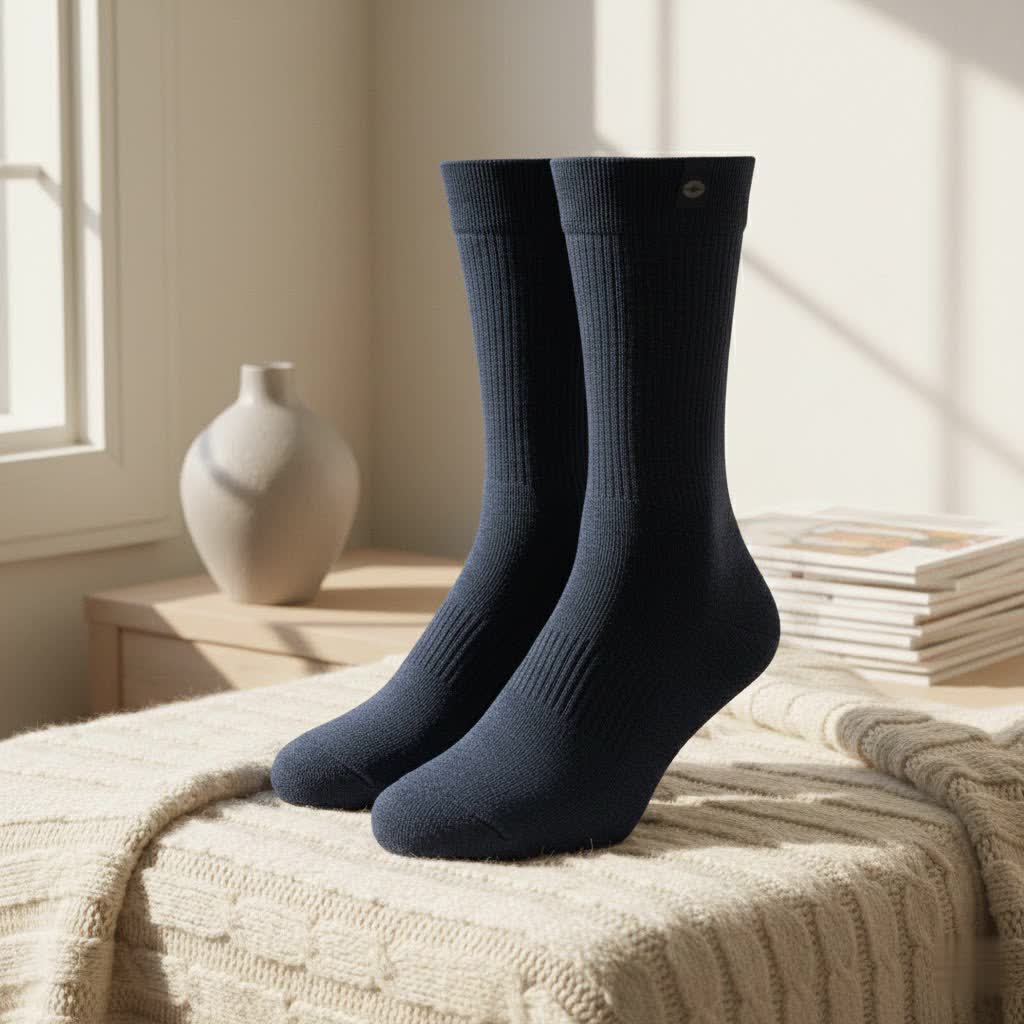
Compression socks are specially designed hosiery that apply controlled pressure to your legs. Unlike regular socks, they feature graduated compression, meaning the pressure is strongest at the ankle and gradually decreases as it moves up the leg. This intelligent design is crucial for assisting your circulatory system, especially when your veins are not functioning optimally. Their primary purpose is to help push blood upward towards the heart, preventing it from pooling in the lower extremities and reducing strain on weakened vein walls and valves.
Benefits of Compression Socks for Venous Insufficiency
For individuals managing venous insufficiency, compression socks offer a range of significant therapeutic benefits that can dramatically improve daily comfort and long-term vein health.
- Improve Blood Circulation: The graduated pressure gently squeezes the veins, narrowing their diameter and improving the efficiency of blood flow back to the heart. This counteracts the effects of gravity and supports the vein valves.
- Reduce Swelling (Edema): By promoting better fluid movement, compression socks effectively reduce fluid buildup in the tissues of the lower legs and ankles, thereby minimizing swelling and the discomfort it causes.
- Alleviate Pain and Discomfort: The external support lessens the pressure within the veins, which can significantly reduce the aching, throbbing, and cramping often associated with venous insufficiency.
- Support Varicose Vein Treatment: While not a cure, they can help manage symptoms of varicose veins, preventing their progression and reducing the associated pain and swelling.
- Reduce Leg Fatigue and Heaviness: Enhanced circulation and reduced fluid retention make legs feel lighter, less tired, and more energized, particularly after long periods of standing or sitting.
- Prevent Deep Vein Thrombosis (DVT) and Complications: By keeping blood flowing and preventing stasis, compression socks can reduce the risk of blood clot formation, a serious complication of venous insufficiency. They also help prevent skin changes, such as discoloration and ulcer formation.
“Compression socks are a foundational, non-invasive treatment for venous insufficiency. They provide essential external support that helps the body’s natural mechanisms, alleviating symptoms and preventing disease progression.” – Dr. Emily R. Thorne, Vascular Specialist
Who Should Use Compression Socks for Venous Insufficiency?
While beneficial for many, compression socks are particularly important for certain groups dealing with or at risk of venous insufficiency.
- Individuals with Diagnosed Venous Insufficiency: This is the primary group, as the socks directly address the circulatory issues characteristic of the condition.
- Those with Varicose Veins or Spider Veins: These visible vein conditions are often symptoms of underlying venous insufficiency, and compression can help manage them.
- People with a History of Deep Vein Thrombosis (DVT): Compression can help prevent recurrence and manage post-thrombotic syndrome.
- Individuals with Prolonged Standing or Sitting: Professions that involve long hours on your feet (e.g., nurses, teachers) or extended periods of sitting (e.g., office workers, long-haul travelers) can exacerbate venous issues.
- Pregnant Women: Pregnancy often leads to increased blood volume and pressure on the pelvic veins, contributing to leg swelling and varicose veins.
- Athletes: While often used for performance and recovery, athletes with underlying venous issues can also benefit from the improved circulation.
Types of Compression Socks for Venous Insufficiency
Compression socks come in various types, categorized by their compression level, length, and material. Choosing the right combination is key to effective management of venous insufficiency.
By Compression Level (mmHg)
The compression level is measured in millimeters of mercury (mmHg) and indicates the amount of pressure exerted.
- Mild (8-15 mmHg or 10-15 mmHg): Offers light support, ideal for minor swelling, tired legs, or preventative use during travel. These are often available over-the-counter.
- Moderate (15-20 mmHg): Suitable for mild to moderate swelling, fatigue, and preventing varicose veins. Good for daily wear and during pregnancy.
- Firm (20-30 mmHg): Commonly recommended for diagnosed venous insufficiency, moderate varicose veins, and post-sclerotherapy. A doctor’s recommendation is often advised for this level.
- Extra-Firm (30-40 mmHg and higher): Prescribed for severe venous insufficiency, chronic venous ulcers, lymphedema, and significant edema. These are considered medical-grade and always require a doctor’s prescription and fitting.
|
Our Picks for the Best Compression Socks in 2026
As an Amazon Associate I earn from qualifying purchases.
|
||
| Num | Product | Action |
|---|---|---|
| 1 | CHARMKING Compression Socks for Women & Men Circulation (3 Pairs) 15-20 mmHg is Best Support for Athletic Running Cycling |

|
| 2 | MONFOOT Compression Socks for Men & Women, 15-20 mmHg (3 Pairs) - Best Circulation socks for Nurses, Athletic, Travel |
|
| 3 | FITRELL 3 Pairs Compression Socks for Women and Men 20-30mmHg-Circulation Support Socks |
|
| 4 | CHARMKING Compression Socks for Women & Men Circulation (3 Pairs) 15-20 mmHg is Best Support for Athletic Running Cycling |
|
| 5 | FITRELL 3 Pairs Compression Socks for Women and Men 20-30mmHg-Circulation Support Socks |
|
| 6 | FITRELL 3 Pairs Compression Socks for Women and Men 20-30mmHg-Circulation Support Socks |
|
| 7 | CHARMKING Compression Socks for Women & Men Circulation (3 Pairs) 15-20 mmHg is Best Support for Athletic Running Cycling |
|
| 8 | FITRELL 3 Pairs Compression Socks for Women and Men 20-30mmHg-Circulation Support Socks |
|
| 9 | CHARMKING Compression Socks for Women & Men Circulation (3 Pairs) 15-20 mmHg is Best Support for Athletic Running Cycling |
|
| 10 | CHARMKING Compression Socks for Women & Men Circulation (3 Pairs) 15-20 mmHg is Best Support for Athletic Running Cycling |
|
By Length
The appropriate length depends on the location of your venous insufficiency and personal comfort.
- Knee-High: The most common length, extending just below the knee. Effective for most cases of venous insufficiency in the lower leg.
- Thigh-High: Extends to the mid-thigh. Useful if swelling or venous issues extend above the calf.
- Pantyhose/Tights: Provides compression from the waist down. Often chosen for comprehensive support or during pregnancy.
By Material
Materials influence comfort, breathability, and durability.
- Nylon and Spandex: Common, durable, and offer good elasticity.
- Cotton: Soft, breathable, and good for sensitive skin, but may absorb moisture.
- Merino Wool: Excellent for temperature regulation, moisture-wicking, and natural odor resistance, making it comfortable for all-day wear.
- Blends: Many socks use a combination of materials to achieve optimal comfort, durability, and therapeutic properties.
Comparison of Compression Socks for Venous Insufficiency
| Type of Sock | Compression (mmHg) | Length | Material | Primary Benefits | Considerations | Typical Use Cases |
|---|---|---|---|---|---|---|
| Mild Support | 8-15 / 10-15 | Knee-high | Cotton, Nylon | Everyday comfort, mild fatigue | Less therapeutic for active VI | Travel, mild tired legs, preventative |
| Moderate Support | 15-20 | Knee-high | Nylon, Spandex | Reduce moderate swelling, prevent varicose veins | Good for daily wear | Standing/sitting jobs, pregnancy, mild VI |
| Firm Support | 20-30 | Knee-high, Thigh | Nylon, Spandex | Core treatment for VI, reduce significant swelling | Often doctor-recommended | Diagnosed VI, moderate varicose veins, post-treatment |
| Medical Grade | 30-40+ | All lengths | Blends | Severe VI, chronic ulcers, lymphedema | Requires prescription & professional fitting | Severe VI, DVT, venous ulcers |
How to Choose the Right Compression Socks for Venous Insufficiency
Selecting the right pair of compression socks is crucial for both effectiveness and comfort.
- Consult Your Doctor: For venous insufficiency, especially for compression levels 20-30 mmHg and higher, always seek guidance from a healthcare professional. They can accurately diagnose your condition and recommend the appropriate compression level and type.
- Accurate Measurement: Compression socks must fit precisely. Your doctor or a specialized fitter will measure your leg circumference at various points (ankle, calf, thigh) to ensure the correct size and graduated compression. Measurements are typically taken in the morning when swelling is minimal.
- Choose the Right Compression Level: Based on your doctor’s recommendation and the severity of your symptoms. Do not self-prescribe higher compression levels.
- Consider Length and Style: Select a length that covers the affected area. Modern compression socks come in various colors and patterns, so you don’t have to sacrifice style for health.
- Material Matters: Opt for breathable, moisture-wicking materials like merino wool blends or high-quality synthetics that feel comfortable against your skin for extended wear. Ensure there are no seams that could irritate.
Top Picks: Best Compression Socks Brands for Venous Insufficiency
Several reputable brands are known for producing high-quality compression socks suitable for venous insufficiency.
- Jobst: A long-standing leader in medical compression therapy, Jobst offers a wide range of medical-grade compression stockings with various styles and compression levels, often recommended by doctors for their therapeutic efficacy and durability.
- Sigvaris: Another top medical brand, Sigvaris is known for its precise fit, graduated compression, and comfortable designs, making them a preferred choice for managing chronic venous conditions.
- Sockwell: Combining therapeutic benefits with everyday comfort and style, Sockwell socks are often made with a fine Merino wool blend. They offer moderate (15-20 mmHg) to firm (20-30 mmHg) compression, making them an excellent choice for daily wear for those with moderate venous insufficiency symptoms.
- CEP: While often marketed to athletes, CEP also produces high-quality compression socks that can be effective for venous insufficiency, focusing on graduated compression and durable materials.
How to Use and Care for Compression Socks
Proper application and care are essential to maximize the benefits and extend the life of your compression socks.
How to Wear Compression Socks Correctly
- Timing: Put them on first thing in the morning, before any significant swelling occurs.
- Technique: Turn the sock inside out down to the heel. Place your foot into the foot portion, aligning the heel. Gradually roll the sock up your leg, smoothing out any wrinkles. Do not pull them up like regular socks, as this can create uneven compression.
- Troubleshooting: If you find them difficult to put on, specialized donning aids are available, or try applying a small amount of cornstarch or donning lotion.
Cleaning and Care
- Washing: Hand wash or machine wash on a delicate cycle with mild detergent in lukewarm water. Avoid bleach or fabric softeners, as these can damage the elastic fibers.
- Drying: Air dry flat or hang them. Do not put them in a dryer, as high heat can destroy the elasticity and reduce their effectiveness.
- Replacement: Compression socks typically need to be replaced every three to six months, as their elastic properties degrade over time with wear and washing.
Important Considerations
- Sleeping: Generally, compression socks are not recommended for sleeping unless specifically advised by your doctor.
- Skin Care: Keep your skin moisturized, but avoid heavy creams that might degrade the sock fabric.
- Monitor Your Legs: Pay attention to any signs of skin irritation, numbness, or increased pain. If you experience these, consult your doctor.
Conclusion
Living with venous insufficiency can be challenging, but compression socks offer a proven, non-invasive method to manage symptoms and improve your overall leg health. By understanding how they work, the various types available, and how to choose and care for them, you can take an active step towards alleviating discomfort and preventing further complications. Remember, the journey to healthier veins often begins with a conversation with your healthcare provider and finding the perfect pair of compression socks. Are you ready to give your legs the support they deserve and reclaim your comfort?
Frequently Asked Questions
Can I wear compression socks all day for venous insufficiency?
Yes, for venous insufficiency, it is generally recommended to wear compression socks throughout the day, putting them on in the morning and taking them off before bed. Consistent wear helps maintain healthy blood flow and prevents swelling and discomfort. However, always follow your doctor’s specific advice regarding wear duration.
What compression level is best for moderate venous insufficiency?
For moderate venous insufficiency, a compression level of 20-30 mmHg is typically recommended. This provides firm support to significantly improve circulation and reduce symptoms like swelling and pain. It is crucial to consult your doctor to confirm the most appropriate compression level for your specific condition.
