Are you seeking relief from tired, aching legs, or looking to enhance your athletic recovery? Copper Fit Compression Socks have emerged as a popular choice, combining the benefits of graduated compression with copper-infused fabrics. These aren’t just ordinary socks; they are engineered to offer a unique blend of support, comfort, and odor control, making them a standout in the world of compression wear.
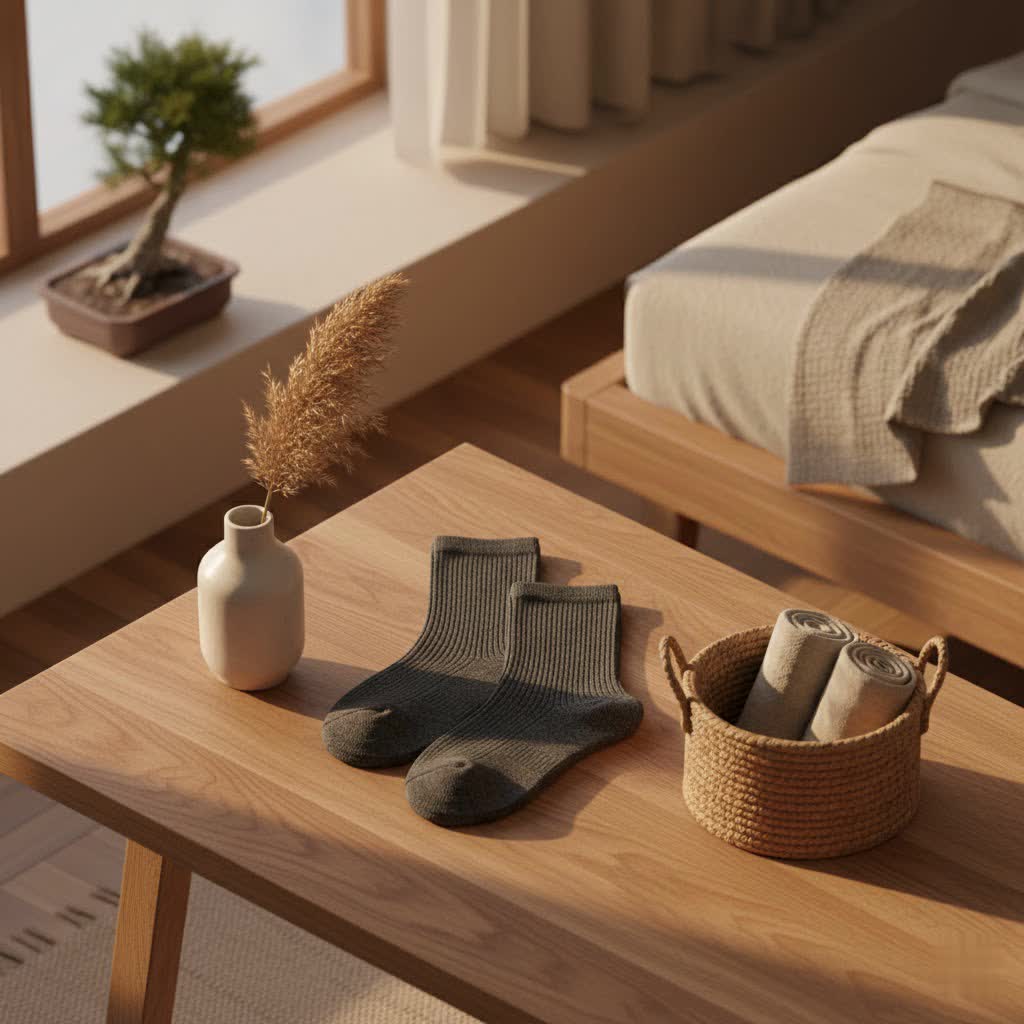
Whether you spend long hours on your feet, engage in strenuous physical activity, or simply experience everyday leg fatigue, understanding how Copper Fit compression socks work and what they offer can help you make an informed decision for your leg health.
What Are Compression Socks?
Compression socks are specialized hosiery designed to apply gentle pressure to your legs, promoting healthy blood flow back toward the heart. This graduated pressure is typically strongest at the ankle and gradually lessens up the leg, which helps to counteract gravity’s effects on blood circulation. The core benefit of this mechanism is to reduce swelling, alleviate discomfort, and prevent blood from pooling in the lower extremities.
Copper Fit compression socks take this foundational technology a step further by infusing their fabrics with copper. This copper infusion is touted for its antimicrobial properties, which can help inhibit the growth of odor-causing bacteria, keeping your feet fresher throughout the day. Most Copper Fit socks are crafted from a blend of nylon, spandex, and polyester, providing both flexibility and durability.
Benefits of Copper Fit Compression Socks
Copper Fit compression socks offer a range of advantages, primarily aimed at improving leg comfort and supporting overall leg health:
- Improved Blood Circulation: The graduated compression helps to push blood efficiently from your legs back to your heart, reducing the workload on your veins and enhancing overall circulation.
- Reduced Swelling and Edema: By preventing fluid accumulation in the lower legs, these socks can significantly reduce swelling in the ankles and feet, a common issue for those who stand or sit for extended periods.
- Alleviation of Leg Fatigue and Soreness: Many users report experiencing less leg fatigue and soreness, whether from prolonged activity or a long day on their feet, thanks to the supportive pressure.
- Support for Varicose and Spider Veins: While not a cure, moderate compression can help manage the discomfort associated with mild varicose veins and prevent their progression.
- Enhanced Athletic Recovery: For athletes, compression socks can aid in faster muscle recovery by increasing oxygen delivery to tissues and reducing lactic acid buildup post-exercise.
- Odor Resistance: The copper-infused fabric works to inhibit bacteria growth, which is a primary cause of foot odor, contributing to a fresher feeling even after long wear.
- Arch Support and Cushioned Comfort: Specific Copper Fit models, like their Energy Compression Socks, incorporate features such as targeted arch support technology and cushioned footbeds to absorb impact and further reduce foot and leg fatigue.
Who Should Use Copper Fit Compression Socks?
Copper Fit compression socks are designed for a wide range of individuals seeking relief and support for their legs. Consider incorporating them into your daily routine if you fall into any of these categories:
- Individuals with Jobs Requiring Prolonged Standing or Sitting: Nurses, retail workers, office professionals, and anyone who spends many hours on their feet or seated can benefit from improved circulation and reduced fatigue.
- Athletes and Fitness Enthusiasts: Whether you’re a runner, cyclist, or engage in other sports, Copper Fit socks can support performance during activity and accelerate recovery afterward by reducing muscle soreness.
- Pregnant Women: Compression socks can help alleviate leg swelling and discomfort commonly experienced during pregnancy, as well as aid in preventing varicose and spider veins.
- Travelers: For long flights or road trips, these socks can combat the effects of inactivity, such as swelling and the risk of deep vein thrombosis (DVT).
- People with Mild Circulatory Issues or Swelling: If you experience general leg discomfort, minor swelling, or early signs of venous issues, moderate compression can provide significant relief.
- Anyone Seeking Everyday Comfort: Even without specific conditions, many find the supportive feel of compression socks simply makes their legs feel better and more energized throughout the day.
Understanding Compression Sock Types
Choosing the right compression sock involves understanding different classifications, primarily based on compression level, length, and material.
By Compression Level (mmHg)
The compression level, measured in millimeters of mercury (mmHg), indicates the amount of pressure the sock applies.
- Mild Compression (8-15 mmHg): Ideal for general comfort, minor leg fatigue, and preventing swelling during long periods of sitting or standing.
- Moderate Compression (15-20 mmHg): This is a common entry-level and is typically the range offered by Copper Fit. It’s recommended for relieving tired, aching legs, preventing mild swelling, and supporting athletic recovery. Many doctors suggest starting here for first-time users.
- Firm Compression (20-30 mmHg): Often prescribed for more significant conditions like moderate varicose veins, post-surgical recovery, or more severe swelling.
- Extra-Firm Compression (30-40 mmHg): Reserved for serious medical conditions such as blood clots or severe edema, and should only be worn under a doctor’s guidance.
|
Our Picks for the Best Compression Socks in 2026
As an Amazon Associate I earn from qualifying purchases.
|
||
| Num | Product | Action |
|---|---|---|
| 1 | CHARMKING Compression Socks for Women & Men Circulation (3 Pairs) 15-20 mmHg is Best Support for Athletic Running Cycling |

|
| 2 | MONFOOT Compression Socks for Men & Women, 15-20 mmHg (3 Pairs) - Best Circulation socks for Nurses, Athletic, Travel |
|
| 3 | FITRELL 3 Pairs Compression Socks for Women and Men 20-30mmHg-Circulation Support Socks |
|
| 4 | CHARMKING Compression Socks for Women & Men Circulation (3 Pairs) 15-20 mmHg is Best Support for Athletic Running Cycling |
|
| 5 | FITRELL 3 Pairs Compression Socks for Women and Men 20-30mmHg-Circulation Support Socks |
|
| 6 | CHARMKING Compression Socks for Women & Men Circulation (3 Pairs) 15-20 mmHg is Best Support for Athletic Running Cycling |
|
| 7 | FITRELL 3 Pairs Compression Socks for Women and Men 20-30mmHg-Circulation Support Socks |
|
| 8 | CHARMKING Compression Socks for Women & Men Circulation (3 Pairs) 15-20 mmHg is Best Support for Athletic Running Cycling |
|
| 9 | CHARMKING Compression Socks for Women & Men Circulation (3 Pairs) 15-20 mmHg is Best Support for Athletic Running Cycling |
|
| 10 | FITRELL 3 Pairs Compression Socks for Women and Men 20-30mmHg-Circulation Support Socks |
|
Copper Fit primarily focuses on the 15-20 mmHg range, making them suitable for everyday wear, general wellness, and athletic recovery rather than advanced medical treatment.
By Length
Compression socks come in various lengths to target different parts of the leg:
- Knee-High: The most common type, extending just below the knee. These are effective for supporting the calves, ankles, and feet. Copper Fit’s “Energy Compression Socks” are a popular knee-high option.
- Thigh-High: Extending up to the thigh, offering compression to a larger area of the leg.
- Pantyhose/Tights: Covering the entire leg and hip area, often used for widespread edema or during pregnancy.
By Material
Compression socks are typically made from blends of synthetic fibers:
- Nylon and Spandex: Provide the elasticity and graduated pressure.
- Polyester: Often blended for durability and moisture-wicking properties.
- Copper-Infused Blends: As seen in Copper Fit, these materials incorporate copper to provide antimicrobial and odor-reducing benefits, distinguishing them from standard compression socks. Other materials like cotton or wool may also be found in some compression socks, but are less common for performance-focused designs.
Table: Key Features of Copper Fit Compression Socks
| Feature | Description |
|---|---|
| Compression Level | Moderate (typically 15-20 mmHg), suitable for daily wear, mild swelling, and recovery. |
| Copper Infusion | Helps inhibit odor-causing bacteria, promoting freshness. |
| “Easy On, Easy Off” | Designed for easier donning and removal compared to some traditional compression socks. |
| Arch Support | Targeted compression band that gently hugs the arch and ankle to reduce foot and leg fatigue. |
| Cushioned Footbed | Luxurious cushioning to help absorb impact and enhance comfort. |
| Moisture-Wicking | Fibers designed to draw sweat away from the skin, keeping feet dry. |
| Materials | Blend of nylon, spandex, and polyester for flexibility, durability, and performance. |
| Target Audience | Everyday wearers, athletes, standing/sitting professionals, travelers, pregnant women. |
How to Choose the Right Copper Fit Compression Socks
Selecting the ideal pair of Copper Fit compression socks involves a few key considerations to ensure maximum effectiveness and comfort:
- Determine Your Purpose: Why are you buying them? For daily comfort, athletic recovery, or to alleviate mild swelling? Your primary use case will guide your choice. Copper Fit’s 15-20 mmHg range is well-suited for general wellness and active lifestyles.
- Accurate Measurements are Crucial: Unlike regular socks, sizing up or down isn’t recommended. Compression socks need to fit just right to apply effective graduated pressure.
- Calf Circumference: For knee-high socks, measure the widest part of your calf. Ensure the tape measure is snug but not tight.
- Shoe Size: Many brands, including Copper Fit, also factor in shoe size for proper foot fit.
- Always refer to the manufacturer’s specific size chart.
- Understand Compression Levels: As noted, Copper Fit typically offers moderate compression (15-20 mmHg). This is a great starting point for many, but if you have a medical condition requiring higher compression, consult your doctor.
- Consider Material and Comfort: Copper Fit socks feature copper-infused, moisture-wicking blends of nylon, spandex, and polyester. Look for comfort features like cushioned footbeds and arch support if those are priorities.
- Consult a Healthcare Professional: If you have underlying medical conditions such as diabetes, advanced arterial disease, or severe venous issues, it’s always best to speak with your doctor before using compression socks. They can recommend the appropriate compression level and ensure they are safe for your specific health needs.
Top Picks – Evaluating Copper Fit Compression Socks
When considering copper-infused compression wear, Copper Fit stands out for its accessible blend of technology and user-focused features. The brand’s Energy Compression Socks are particularly noteworthy, often cited for their innovative design and tangible benefits.
Users frequently praise Copper Fit for its:
- “Easy On, Easy Off” Design: This feature addresses a common complaint with compression socks, making them more convenient for daily wear.
- Arch Support Technology: The targeted compression band around the arch and ankle provides extra support, which can be particularly beneficial for those with foot fatigue or minor arch discomfort.
- Odor Reduction: The copper infusion is a key differentiator, effectively combatting odor-causing bacteria, which is a major plus for individuals wearing socks for long periods.
- Cushioned Footbed: This adds a layer of comfort, absorbing impact and contributing to an overall more pleasant wearing experience.
While some premium brands may offer higher compression levels or more specialized features, Copper Fit provides a reliable and affordable option for those seeking the benefits of moderate compression with the added advantage of copper infusion. Many users, including healthcare professionals, report positive experiences with reduced swelling and improved comfort.
How to Use and Care for Your Copper Fit Compression Socks
Proper usage and care are essential to maximize the benefits and extend the lifespan of your Copper Fit compression socks.
How to Wear and Remove Correctly
- Donning: Roll the sock down to the heel, slip your foot in, then gradually unroll it up your leg, smoothing out any wrinkles as you go. Avoid pulling or tugging aggressively, as this can damage the fibers and affect compression effectiveness.
- Removal: Gently roll the sock down from the top, turning it inside out as you go, rather than simply pulling it off.
Washing and Care Instructions
Daily washing is recommended for hygienic reasons and to help the socks maintain their elasticity.
- Machine Wash: Use a gentle cycle with cold water.
- Detergent: Use a mild detergent. Avoid harsh detergents, bleach, or fabric softener, as these can damage the fibers and reduce effectiveness.
- Drying: Air-dry or tumble dry on a low heat setting. High heat can damage the elastic fibers. Do not iron or dry clean.
Important Notes on Usage
- Wearing Duration: Generally, you can wear compression socks all day and remove them before bed. Gravity’s effects on circulation are less significant when lying down. However, in specific cases (e.g., post-surgery or during pregnancy), a doctor might advise wearing them overnight. Always consult a healthcare provider if you are unsure.
- Discomfort: Compression socks should feel snug but not painful or overly restrictive. If you experience discomfort, numbness, or skin marks, the socks may be the wrong size or compression level, and you should stop wearing them and consult a doctor.
- Avoid Lotions: Do not apply lotions or creams right before putting on compression socks, as this can lead to moisture buildup and damage the fabric.
“Compression socks are a simple yet effective tool for many individuals. For daily comfort and mild support, the right pair can make a significant difference in how your legs feel at the end of the day.”
Conclusion
Copper Fit compression socks offer a compelling solution for anyone seeking enhanced leg comfort, improved circulation, and effective odor control. By combining graduated compression technology with the unique benefits of copper infusion, they provide a distinct advantage for daily wear, athletic recovery, and relief from leg fatigue and mild swelling. Understanding the appropriate compression levels, ensuring a proper fit, and following care instructions will help you unlock the full potential of these innovative socks. If you’re ready to experience a noticeable difference in your leg health and comfort, Copper Fit compression socks are certainly worth considering.
Are your legs telling you it’s time for a change?
Frequently Asked Questions
Do Copper Fit compression socks really work for odor?
Yes, Copper Fit compression socks are infused with copper, which is known for its antimicrobial properties. This infusion helps to inhibit the growth of odor-causing bacteria on the fabric, effectively reducing unpleasant smells and keeping your feet feeling fresher, even after extended wear.
What compression level do Copper Fit socks provide?
Copper Fit compression socks typically provide moderate compression, usually in the range of 15-20 mmHg. This level is considered suitable for general wellness, daily comfort, reducing mild swelling, and aiding in muscle recovery after physical activity.
Can I wear Copper Fit compression socks all day?
In most cases, yes, you can wear Copper Fit compression socks all day long. They are designed for extended wear to provide continuous support and promote circulation. However, it is generally recommended to remove them before going to bed. If you have specific medical conditions, always consult your doctor for personalized advice.
How do I properly size for Copper Fit compression socks?
To properly size for Copper Fit compression socks, you should measure the widest part of your calf and also consider your shoe size. It’s crucial for compression socks to fit snugly but not uncomfortably tight. Always refer to the specific size chart provided by Copper Fit to ensure you select the correct size.
