Pregnancy is a transformative journey, but it often brings a unique set of physical challenges, from persistent fatigue to uncomfortable swelling in the legs and feet. As your body adapts to nurture new life, increased blood volume and hormonal changes can strain your circulatory system, leading to discomfort. Fortunately, there’s a simple, effective solution that many expectant mothers are turning to for relief: Pregnancy Compression Socks. These specialized garments offer gentle support, helping to alleviate common pregnancy-related aches and improve overall well-being.
What Are Pregnancy Compression Socks?
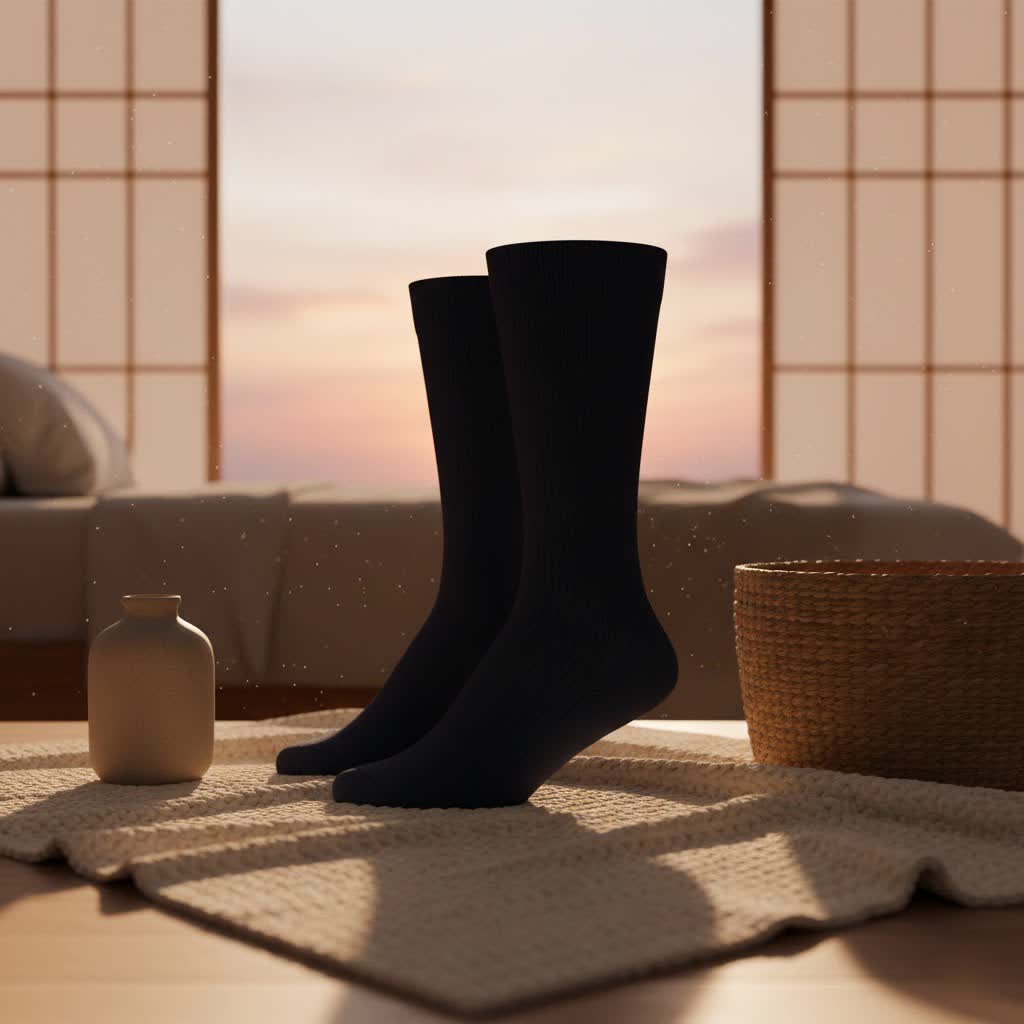
Pregnancy compression socks are therapeutic stockings designed to apply gradual pressure to your legs. This pressure is typically strongest around the ankle and progressively decreases up the leg, a design known as “graduated compression.” This mechanism gently coaxes blood upwards, assisting your veins in their crucial task of returning blood to the heart. Unlike regular socks, which can sometimes restrict circulation, compression socks are engineered to optimize blood flow, reducing the pooling of fluids and promoting healthier circulation throughout your lower extremities. They are available in various lengths, materials, and compression levels, tailored to meet the specific needs of pregnant women.
Benefits of Wearing Compression Socks During Pregnancy
Wearing compression socks can significantly enhance comfort and support during pregnancy by addressing several common issues:
- Reduced Swelling (Edema): During pregnancy, your body’s blood volume can increase by up to 50%, leading to fluid retention and noticeable swelling, particularly in the ankles, feet, and calves. Compression socks provide gentle external pressure, which helps prevent this excess fluid from accumulating in the tissues, thereby reducing edema and discomfort.
- Improved Blood Circulation: The growing uterus places additional pressure on the pelvic veins, which can impede blood flow from the lower body back to the heart. Compression socks counteract this by supporting vein function and promoting efficient circulation, ensuring blood moves freely and reduces stagnant pooling.
- Relief from Leg Pain and Aches: Enhanced circulation and reduced swelling directly translate to less pain and aching in the legs and feet. Many pregnant women find that wearing compression socks provides a comforting sense of support, making it easier to stand or walk for longer periods.
- Prevention and Management of Varicose Veins: Pregnancy increases the likelihood of developing varicose veins—enlarged, twisted veins that can be painful and unsightly. By improving blood flow and reducing pressure in the veins, compression socks can help prevent new varicose veins from forming and can keep existing ones from worsening.
- Lowered Risk of Deep Vein Thrombosis (DVT): Pregnancy significantly elevates the risk of blood clots, including DVT, a serious condition where a blood clot forms in a deep vein, usually in the leg. Compression socks play a vital role in DVT prevention, especially during periods of prolonged sitting, such as long-haul travel or extended desk work, by maintaining healthy blood flow.
- Reduced Symptoms of Restless Leg Syndrome (RLS): Some studies suggest that the improved circulation and reduced discomfort offered by compression socks may also help alleviate the bothersome sensations of Restless Leg Syndrome, contributing to better sleep quality for expectant mothers.
- Support for Postpartum Recovery: The benefits of compression often extend beyond delivery. Continuing to wear compression socks for several weeks postpartum can aid in reducing lingering swelling and minimizing the risk of blood clots, which remains elevated after childbirth.
“Medical compression therapy is a guideline-based, effective, and safe method widely recommended by leading healthcare professionals during pregnancy to alleviate discomfort and support venous health.”
Who Can Benefit from Pregnancy Compression Socks?
While many pregnant women find relief in compression socks, certain individuals may benefit more significantly:
- Those Experiencing Swelling: If you notice swelling in your ankles, feet, or calves, especially by the end of the day or in warmer weather, compression socks can offer immediate relief.
- Individuals with Leg Pain or Fatigue: Persistent aching, heaviness, or tiredness in the legs are common complaints that can be eased by the circulatory support compression socks provide.
- Women with a History of Varicose Veins: If you have developed varicose veins in previous pregnancies or have a family history, compression socks can be a proactive measure to prevent their onset or worsening.
- Those at Risk of DVT: Pregnant individuals with an increased risk of blood clots, or those undertaking long periods of immobility (e.g., long flights, car trips, bed rest), can greatly benefit from the preventative action of compression socks.
- People with Jobs Requiring Prolonged Standing or Sitting: If your occupation involves extended periods on your feet or sitting at a desk, compression socks can mitigate the effects of gravity on blood flow and reduce leg fatigue.
- Active Pregnant Women: Even those who maintain an active lifestyle during pregnancy can use compression socks to aid muscle recovery and reduce post-exercise soreness.
It’s never too early to start wearing compression socks during pregnancy, as circulation changes can begin in the first trimester. Many experts recommend continuing their use for up to six weeks postpartum.
Understanding Types and Compression Levels (mmHg)
Choosing the right pregnancy compression socks involves understanding the different types and their measured compression levels.
Compression Levels (mmHg)
Compression levels are measured in millimeters of mercury (mmHg), similar to blood pressure readings. This indicates the amount of pressure the sock applies to the leg. Graduated compression socks, the most recommended for pregnancy, are tighter at the ankle and gradually loosen towards the knee or thigh.
- Mild Compression (8-15 mmHg): While some lighter options exist, this level is generally considered too low for significant pregnancy-related swelling or venous issues.
- Moderate Compression (15-20 mmHg): This is the most common and widely recommended starting point for pregnant women. It’s ideal for daily wear, helping to reduce mild swelling, alleviate general fatigue, and provide preventive support for varicose veins and DVT. These are readily available over-the-counter and comfortable for most.
- Firm Compression (20-30 mmHg): Often recommended by doctors for more noticeable swelling, existing varicose veins, or symptoms of venous insufficiency. This level provides stronger support and is very effective but should ideally be chosen in consultation with a healthcare provider.
- Strong Compression (30-40 mmHg and above): These higher compression levels are typically reserved for specific medical conditions like chronic venous insufficiency or severe DVT, and almost always require a doctor’s prescription and fitting. They should not be used without medical advice during pregnancy.
|
Our Picks for the Best Compression Socks in 2026
As an Amazon Associate I earn from qualifying purchases.
|
||
| Num | Product | Action |
|---|---|---|
| 1 | FITRELL 3 Pairs Compression Socks for Women and Men 20-30mmHg-Circulation Support Socks |

|
| 2 | CHARMKING Compression Socks for Women & Men Circulation (3 Pairs) 15-20 mmHg is Best Support for Athletic Running Cycling |
|
| 3 | FITRELL 3 Pairs Compression Socks for Women and Men 20-30mmHg-Circulation Support Socks |
|
| 4 | CHARMKING Compression Socks for Women & Men Circulation (3 Pairs) 15-20 mmHg is Best Support for Athletic Running Cycling |
|
| 5 | CHARMKING Compression Socks for Women & Men Circulation (3 Pairs) 15-20 mmHg is Best Support for Athletic Running Cycling |
|
| 6 | MONFOOT Compression Socks for Men & Women, 15-20 mmHg (3 Pairs) - Best Circulation socks for Nurses, Athletic, Travel |
|
| 7 | CHARMKING Compression Socks for Women & Men Circulation (3 Pairs) 15-20 mmHg is Best Support for Athletic Running Cycling |
|
| 8 | CHARMKING Compression Socks for Women & Men Circulation (3 Pairs) 15-20 mmHg is Best Support for Athletic Running Cycling |
|
| 9 | FITRELL 3 Pairs Compression Socks for Women and Men 20-30mmHg-Circulation Support Socks |
|
| 10 | FITRELL 3 Pairs Compression Socks for Women and Men 20-30mmHg-Circulation Support Socks |
|
Lengths
The length of compression socks you choose depends on where you experience the most swelling and your personal comfort.
- Knee-High Compression Socks: These are the most popular and often sufficient for addressing swelling in the feet, ankles, and calves. They are easier to put on and take off.
- Thigh-High Compression Stockings: These extend up to the thigh and provide broader coverage, ideal if you experience swelling or varicose veins higher up the leg.
- Maternity Pantyhose/Tights: These offer full leg compression and often include a supportive panel for the growing belly, providing comprehensive abdominal and leg support.
Materials
Comfort is key when wearing compression socks daily. Look for materials that are breathable, stretchable, and moisture-wicking to keep your legs comfortable throughout the day. Common materials include:
- Nylon and Spandex blends: Offer excellent stretch, durability, and a smooth feel. Many performance compression socks use these materials.
- Cotton: Known for its softness and breathability, cotton blends can be very comfortable for everyday wear.
- Merino Wool: Provides natural temperature regulation, moisture-wicking properties, and softness, making it suitable for various climates.
- Bamboo Rayon: A soft, breathable, and naturally moisture-wicking fabric that is gentle on sensitive skin.
Comparing Pregnancy Compression Socks: A Detailed Chart
Here’s a general comparison of common types of compression socks suitable for pregnancy:
| Type of Sock | Compression Level (mmHg) | Length | Common Materials | Primary Advantages | Considerations |
|---|---|---|---|---|---|
| Knee-High | 15-20 (Moderate) | Below the knee | Nylon, Spandex, Cotton | Everyday comfort, reduces foot/ankle/calf swelling, easy to wear and remove | May not address thigh swelling |
| Knee-High | 20-30 (Firm) | Below the knee | Nylon, Spandex | Stronger support for significant swelling, varicose veins, DVT prevention | Can be harder to put on, consult doctor for fit |
| Thigh-High | 15-20 (Moderate) | Mid-thigh | Nylon, Spandex | Broader coverage, good for thigh swelling or higher varicose veins | May roll down, some find them restrictive |
| Maternity Tights | 15-20 (Moderate) | Waist-high | Nylon, Spandex | Full leg and abdominal support, smooth silhouette, reduces overall leg fatigue | Can be warm, more challenging to put on and adjust |
| Sport/Active | 15-20 or 20-30 | Knee-high | Spandex, Moisture-wicking blends | Enhanced performance, quicker recovery, durable for exercise | Often more expensive, specific designs |
How to Choose the Right Pregnancy Compression Socks (Buying Guide)
Selecting the best compression socks for your pregnancy involves a few crucial steps to ensure comfort and effectiveness:
- Consult Your Doctor: Before purchasing, especially if you have pre-existing conditions, severe swelling, or concerns about DVT, speak with your OB-GYN or a healthcare provider. They can recommend the appropriate compression level and length for your specific needs.
- Determine Your Purpose: Are you looking for daily comfort, relief from mild swelling, support during long travel, or management of varicose veins? Your primary reason will influence the ideal compression level and style.
- Accurate Measurement is Key: This is perhaps the most critical step. Compression socks are sized based on specific measurements, not just shoe size. Measure your ankle (narrowest part), calf (widest part), and for thigh-highs, your thigh circumference (widest part), preferably first thing in the morning before any swelling occurs. Most brands provide detailed sizing charts. An incorrect size can render the socks ineffective or cause discomfort.
- Choose the Right Compression Level: For general comfort and mild swelling, 15-20 mmHg is a great starting point. If your doctor recommends it, or if you have more pronounced symptoms like significant varicose veins, consider 20-30 mmHg.
- Select the Appropriate Length: Knee-high socks are popular and effective for most lower leg issues. Opt for thigh-high or maternity tights if swelling extends above the knee or for overall leg and abdominal support.
- Prioritize Material and Comfort: Look for breathable, soft, and stretchy fabrics that won’t irritate your skin. Moisture-wicking properties are a bonus, especially in warmer climates or during activity.
- Consider Ease of Use: With a growing belly, bending over can become challenging. Some compression socks feature wider top bands that prevent rolling without digging in, while others (less common for pregnancy) might have zippers for easier donning.
Top Picks: Best Pregnancy Compression Sock Brands
The market offers a wide array of pregnancy compression socks, each with unique features catering to different needs. When selecting, prioritize brands known for quality, durability, and effective graduated compression. Look for features such as:
- Comfortable Fit: Socks that hug your legs without feeling overly tight or restrictive.
- Breathable Fabrics: Materials like bamboo, merino wool, or advanced moisture-wicking nylons that keep you cool and dry.
- Durable Construction: High-quality seams and elastic that maintain compression wash after wash.
- Variety in Style: Options ranging from discreet neutrals to fun patterns, allowing you to incorporate them into your daily wardrobe.
- Positive User Reviews: Real-world feedback from other pregnant women about effectiveness and comfort.
Some highly-regarded brands that consistently receive positive reviews for their pregnancy-friendly compression socks include Comrad, Sockwell, Bombas, and Kindred Bravely. Many brands also offer various options tailored for travel, exercise, or everyday wear, making it easy to find a pair that suits your lifestyle.
How to Use and Care for Pregnancy Compression Socks
To maximize the benefits and lifespan of your pregnancy compression socks, proper usage and care are essential.
How to Wear Them
- Morning is Best: Put your compression socks on first thing in the morning, ideally before getting out of bed and before any significant swelling has accumulated. This makes them much easier to don.
- Proper Technique: Avoid bunching them up like regular socks. Instead, turn the sock inside out down to the heel, slip your foot in, then gradually roll the sock up your leg, smoothing out any wrinkles as you go. Be gentle to avoid tearing the fabric or distorting the compression.
- Smooth Fit: Ensure the sock lies smoothly against your skin, with no wrinkles or creases, which can concentrate pressure and cause discomfort. The top band should not dig into your skin.
When to Wear Them
Wear your compression socks throughout the day while you are up and active. Most experts recommend taking them off at night before bed, as gravity is no longer pulling fluid down when you’re lying flat, allowing your legs and skin to breathe. However, always follow your doctor’s specific recommendations, especially if they advise overnight wear for a particular condition.
How to Care for Them
- Daily Washing: It’s best to wash your compression socks daily or after every few wears to maintain their elasticity and hygienic properties.
- Gentle Cycle: Hand wash in lukewarm or cold water with mild soap, or machine wash on a gentle cycle in a mesh laundry bag.
- Avoid Harsh Chemicals: Do not use bleach, fabric softeners, or harsh detergents, as these can break down the elastic fibers.
- Air Dry: Lay them flat or hang them to air dry. Avoid using a dryer, as high heat can damage the elastic and reduce the compression effectiveness.
- Replace Regularly: Compression socks typically need to be replaced every three to six months, or sooner if you notice the elasticity weakening or holes appearing. This ensures they maintain their therapeutic compression level.
Important Considerations
While generally safe, consult your doctor if you experience any of the following while wearing compression socks:
- Increased pain, numbness, or tingling.
- Skin irritation, redness, or changes in skin color.
- Sudden or severe swelling in only one leg, as this could be a sign of a blood clot.
- If the socks feel uncomfortably tight or dig into your skin.
Conclusion
Pregnancy is a remarkable period, yet it can bring unwelcome physical discomforts, particularly in your lower limbs. Pregnancy compression socks offer a proven, non-invasive way to find relief from swelling, aches, and the risk of venous complications like varicose veins and DVT. By improving blood circulation and providing gentle, consistent support, these specialized socks can help you feel more energized, comfortable, and confident throughout your pregnancy journey. They are a simple yet powerful addition to your prenatal wellness routine, allowing you to focus on the joy of expecting. Could embracing the support of compression socks be your secret to a more comfortable pregnancy?
Frequently Asked Questions
What mmHg level should I choose for general pregnancy swelling?
For general pregnancy swelling and daily comfort, a moderate compression level of 15-20 mmHg is typically recommended. It provides effective support without feeling overly restrictive.
Can I sleep in pregnancy compression socks?
Generally, it’s best to remove compression socks before bed. When you’re lying down, gravity naturally aids blood flow, making constant compression unnecessary for most. Always consult your doctor for personalized advice regarding overnight wear.
How long should I wear compression socks each day during pregnancy?
Aim to put your compression socks on first thing in the morning and wear them throughout the day while you are active. Remove them before bed to give your skin a break.
Are there any risks to wearing higher compression levels during pregnancy?
Wearing higher compression levels (e.g., 30-40 mmHg) without medical advice can be risky. Too much pressure can cause discomfort or potentially restrict blood flow. Always consult your doctor before choosing compression levels above 20-30 mmHg.
Can compression socks help with restless legs during pregnancy?
Yes, the improved circulation and reduced swelling provided by compression socks may help alleviate the symptoms of restless leg syndrome, potentially leading to better sleep quality.
When should I start wearing compression socks in pregnancy?
You can start wearing compression socks at any stage of pregnancy, even in the first trimester, as circulation changes begin early. Many women find them most beneficial as swelling becomes more noticeable in the second and third trimesters.
