Living with lipedema often brings a unique set of challenges, from persistent pain and discomfort to the heavy sensation in the limbs. This chronic condition, characterized by an abnormal accumulation of fat, primarily in the legs and sometimes the arms, can significantly impact daily life. While there’s no cure for lipedema, managing its symptoms effectively is crucial for improving comfort and quality of life. This comprehensive guide will explore how compression socks and garments serve as a cornerstone in lipedema management, offering practical solutions for relief and support.
What is Lipedema?
Lipedema is a medical condition predominantly affecting women, marked by the symmetrical buildup of painful, fatty tissue, typically in the lower body, hips, thighs, and calves, but occasionally extending to the arms. Unlike regular fat, lipedema fat is often painful to the touch, bruises easily, and is resistant to diet and exercise. It is distinct from obesity and lymphedema, though it can sometimes coexist with or lead to secondary lymphedema. The exact cause remains under investigation, but genetics are believed to play a significant role. This disproportionate fat distribution can lead to feelings of heaviness, swelling, and reduced mobility, making daily activities challenging.
Understanding Compression Garments for Lipedema
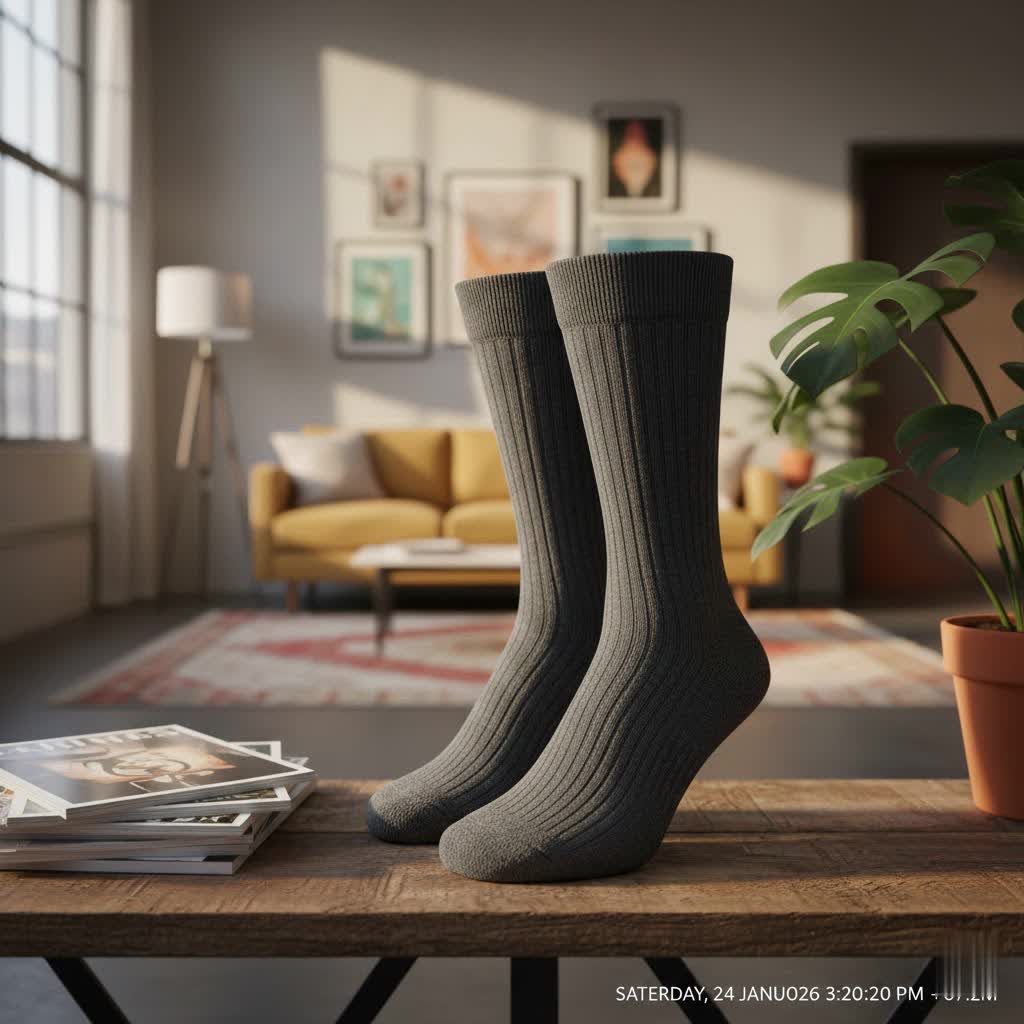
Compression garments, often referred to as compression socks, stockings, or leggings, are specially designed elastic wear that applies controlled pressure to the limbs. For individuals with lipedema, these are not just ordinary athletic socks; they are medical-grade devices crafted to address the specific needs of the condition. They differ from standard compression wear by offering targeted pressure and often specialized knitting techniques to accommodate the unique contours and sensitivities of lipedematous limbs. The purpose isn’t to reshape the limbs or eliminate the fat itself, but rather to alleviate symptoms and provide crucial support.
The Science-Backed Benefits of Compression for Lipedema
Compression therapy is a fundamental component of lipedema management, offering multiple physiological benefits:
Improved Circulation and Lymphatic Flow
|
Our Picks for the Best Compression Socks in 2026
As an Amazon Associate I earn from qualifying purchases.
|
||
| Num | Product | Action |
|---|---|---|
| 1 | MONFOOT Compression Socks for Men & Women, 15-20 mmHg (3 Pairs) - Best Circulation socks for Nurses, Athletic, Travel |

|
| 2 | CHARMKING Compression Socks for Women & Men Circulation (3 Pairs) 15-20 mmHg is Best Support for Athletic Running Cycling |
|
| 3 | FITRELL 3 Pairs Compression Socks for Women and Men 20-30mmHg-Circulation Support Socks |
|
| 4 | FITRELL 3 Pairs Compression Socks for Women and Men 20-30mmHg-Circulation Support Socks |
|
| 5 | CHARMKING Compression Socks for Women & Men Circulation (3 Pairs) 15-20 mmHg is Best Support for Athletic Running Cycling |
|
| 6 | FITRELL 3 Pairs Compression Socks for Women and Men 20-30mmHg-Circulation Support Socks |
|
| 7 | CHARMKING Compression Socks for Women & Men Circulation (3 Pairs) 15-20 mmHg is Best Support for Athletic Running Cycling |
|
| 8 | CHARMKING Compression Socks for Women & Men Circulation (3 Pairs) 15-20 mmHg is Best Support for Athletic Running Cycling |
|
| 9 | CHARMKING Compression Socks for Women & Men Circulation (3 Pairs) 15-20 mmHg is Best Support for Athletic Running Cycling |
|
| 10 | FITRELL 3 Pairs Compression Socks for Women and Men 20-30mmHg-Circulation Support Socks |
|
Compression garments work by exerting gentle, graduated pressure—typically strongest at the ankle and gradually decreasing further up the leg. This pressure helps to improve blood circulation and, critically, optimizes the flow of lymphatic fluid. By assisting the lymphatic system, compression helps prevent the pooling of fluid and reduces the risk of swelling, which is a common and often painful symptom of lipedema.
Reduced Swelling and Heaviness
One of the most immediate and noticeable benefits for many with lipedema is a significant reduction in swelling and the sensation of limb heaviness. The consistent external pressure helps to contain the affected tissues, mitigating fluid accumulation and easing the feeling of bogged-down limbs. This can make a substantial difference in comfort throughout the day.
Pain and Discomfort Relief
Lipedema fat is often tender and painful. Compression garments provide external support that can alleviate this tenderness by stabilizing the tissues and reducing pressure on sensitive areas. It is also thought that compression may have an anti-inflammatory effect on the fatty tissue and improve blood flow, thereby reducing pain caused by inflammatory processes.
“Wearing compression is enabling me to live entirely freely and not think of my legs when I’m out and about.”
Enhanced Mobility
Pain, swelling, and the sheer volume of lipedematous tissue can significantly restrict mobility. By reducing swelling and supporting the limbs, compression garments make movement easier and more comfortable. They can help prevent skin flaps from rubbing together, which further improves comfort and encourages greater physical activity.
Preventing Disease Progression
Consistent use of compression garments can play a vital role in slowing the progression of lipedema. By helping to limit further accumulation of fluid and potentially fat, compression supports the health of the tissues and may help prevent the condition from advancing to more severe stages, such as the development of secondary lymphedema or pronounced fibrotic changes.
Supporting Tissue Health
Compression therapy also contributes to the overall health of the affected tissues. By improving circulation and lymphatic drainage, it helps maintain a healthier tissue environment, potentially reducing oxidative stress and supporting the integrity of the skin and underlying structures.
Types of Compression Garments for Lipedema
Choosing the right compression garment is highly individualized, and various types are available to meet specific needs.
Flat-Knit vs. Circular-Knit
The two primary types of knitting techniques for compression garments are flat-knit and circular-knit.
- Flat-Knit Garments: These are typically recommended for lipedema. They are knitted flat and then sewn together, creating a seam. This technique allows for precise shaping and fitting to accommodate irregular limb contours, such as those caused by lipedema fat lobules. Flat-knit garments are more rigid, provide consistent pressure without digging in, and are better suited for managing significant limb size changes. They are particularly effective in later stages of lipedema.
- Circular-Knit Garments: These are seamless, tube-shaped garments. While they are more elastic and often easier to put on, they can be prone to cutting into areas with irregular shapes, like fat pads around the ankles or knees. They may be suitable for individuals in the very early stages of lipedema or those with smoother limb contours, but a medical professional’s guidance is essential.
Compression Levels (mmHg) and Classes (CCL)
Compression strength is measured in millimeters of mercury (mmHg) and categorized into compression classes (CCL).
- Light/Moderate (15-20 mmHg): Offers gentle, everyday support, often suitable for mild symptoms.
- Firm (20-30 mmHg): Provides stronger support for more intense symptoms.
- Medical Grade (CCL I, II, III, IV): These are prescription-strength garments.
- Class I (20-30 mmHg): Often used for mild to moderate conditions.
- Class II (30-40 mmHg): Common for chronic venous disease and moderate lymphedema. Experts often recommend flat-knit compression in CCL 2 or CCL 3 for most lipedema cases.
- Class III (40-50 mmHg): Indicated for more severe conditions.
- Class IV (50-60 mmHg): For severe swelling not controlled by lower compression levels.
The appropriate compression level should always be determined by a healthcare professional specializing in lipedema or lymphedema.
Lengths and Styles
Compression garments come in various lengths and styles to target different areas of the body:
- Knee-high socks: Ideal for lower leg symptoms.
- Thigh-high stockings: Provide compression up to the thigh.
- Leggings/Tights: Offer full leg compression, often extending to the waist.
- Capri shorts/Cycling shorts: Useful for targeting the upper thigh and hip areas.
- Arm sleeves: For those experiencing lipedema in the upper extremities.
Custom-Made vs. Off-the-Shelf
While off-the-shelf garments are readily available, custom-made compression garments are often required for individuals with lipedema, particularly in later stages or when limb shapes are highly irregular. Custom garments are tailored to the wearer’s precise measurements, ensuring a perfect, comfortable, and therapeutically effective fit. Professional measurement by an experienced specialist is crucial for optimal results.
Other Specialized Types
- Micro-massaging garments: These feature a textured knit designed to stimulate lymphatic flow through subtle skin movement. They are typically lower compression and can be beneficial in early-stage lipedema.
- Nighttime garments: Designed to complement daytime compression, these are often made from thicker, lower-compression, breathable materials and can provide comfort and support during sleep, particularly for individuals with mobility limitations.
Who Can Benefit from Compression Socks for Lipedema?
Anyone diagnosed with lipedema can potentially benefit from compression therapy. It is often recommended as a first-line treatment due to its low risk and effectiveness in symptom management. Compression garments are typically needed in all stages of lipedema, becoming increasingly critical in stages 2 and 3. They are particularly beneficial for:
- Individuals experiencing pain, heaviness, and swelling in their limbs.
- Patients undergoing decongestive therapy to maintain fluid reduction.
- Those seeking to improve mobility and comfort in daily activities.
- People looking to slow the progression of the condition.
- Athletes or active individuals with lipedema who need extra support during exercise.
How to Choose the Right Compression Socks for Lipedema (Buying Guide)
Selecting the ideal compression garment is a critical step in effective lipedema management.
- Consult a Healthcare Professional: This is the most important step. A lipedema specialist, lymphedema therapist, or vascular doctor can accurately diagnose your condition, recommend the appropriate type and level of compression, and provide a prescription if necessary. They can also advise on potential contraindications.
- Accurate Measurement is Key: Proper fit is paramount. Garments that are too loose will be ineffective, while those that are too tight can restrict blood flow and cause further discomfort. Professional measurement by a trained specialist ensures the garment conforms precisely to your unique limb contours.
- Determine Your Purpose: Consider when and where you’ll wear the garments. Do you need them for daily wear, exercise, or overnight? This will influence the type, length, and material you choose.
- Choose the Right Compression Level: Based on your symptoms and your doctor’s recommendation, select the appropriate mmHg level. For everyday support, 15-20 mmHg or 20-30 mmHg might be suitable, but higher medical-grade compression may be necessary.
- Consider Material and Comfort: Look for breathable, moisture-wicking fabrics that are comfortable for extended wear. Many specialized compression garments incorporate materials like Merino wool, bamboo rayon, or performance synthetics for comfort and durability.
- Flat-Knit for Most Lipedema: Due to the irregular fat distribution, flat-knit garments are generally preferred as they provide more consistent pressure and are less likely to create constrictive bands.
- When to Consider Custom Garments: If off-the-shelf options do not fit well, cause discomfort, or if you have advanced lipedema with significant lobules or skin folds, custom-made garments are often the best solution for optimal fit and therapeutic benefit.
Top Picks: Reputable Brands for Lipedema Compression
Several manufacturers specialize in high-quality compression garments suitable for lipedema. When considering brands, look for those known for:
- Medical-grade quality: Adherence to strict medical standards for consistent and accurate compression.
- Variety in knitting types: Offering both flat-knit and circular-knit options to cater to different stages and needs.
- Customization: Providing made-to-measure services for a precise fit.
- Comfort and durability: Using advanced fabrics that are breathable, moisture-wicking, and resilient for daily wear.
- Professional recommendation: Brands often recommended by lymphedema therapists and lipedema specialists.
Brands like Jobst, Juzo, Medi, and Sockwell are often cited within the medical community for their ranges of compression solutions, including those specifically designed for lipedema and lymphedema.
Wearing and Caring for Your Compression Garments
To maximize the benefits and extend the life of your compression garments, proper wearing and care are essential.
How to Wear
- Don in the Morning: It’s often easiest to put on compression garments first thing in the morning when swelling is typically at its lowest.
- Smooth Evenly: Ensure the garment is pulled up smoothly without wrinkles or bunching, as these can create pressure points. Special donning aids can be helpful.
- Avoid Folding: Never fold down the top band of stockings or socks, as this can create a tourniquet effect.
- Consistency is Key: Many specialists recommend wearing compression garments daily, potentially even for 24 hours, depending on individual needs and medical advice. Consistent use helps maintain symptom management.
How to Care
- Hand Wash or Gentle Cycle: Wash garments regularly, preferably by hand with a mild detergent or on a gentle machine cycle in a mesh laundry bag.
- Air Dry: Avoid using a machine dryer, as high heat can damage the elastic fibers and reduce the garment’s compression effectiveness. Air dry flat or hang.
- Rotate Pairs: Having multiple pairs allows for regular washing and rotation, preserving the elasticity and extending the lifespan of each garment.
- Replace Regularly: Compression garments lose their elasticity over time. It’s generally recommended to replace them every three to six months, or sooner if you notice a loss of compression or damage.
Conclusion
Compression socks and garments are indispensable tools in the conservative management of lipedema, offering significant relief from pain, swelling, and heaviness while improving mobility and potentially slowing disease progression. Understanding the different types, compression levels, and the importance of a proper fit is crucial for harnessing their full therapeutic potential. While compression garments do not cure lipedema, they empower individuals to manage their symptoms effectively, leading to a more comfortable and active life. Always remember to consult with a healthcare professional to receive personalized guidance and ensure you select the best compression solution for your unique needs. Are you ready to take a step towards greater comfort and control in your lipedema journey?
