Waking up in the middle of the night with a searing leg cramp, or feeling that familiar, sudden tightening in your calf after a long day, can be an incredibly disruptive and painful experience. These involuntary muscle contractions, often referred to as “charley horses,” can strike unexpectedly, leaving you searching for immediate relief and a way to prevent future episodes. While various factors contribute to leg cramps, one increasingly popular and effective solution many are turning to is compression socks. This comprehensive guide will explore how these specialized socks work, who stands to benefit most, and how to choose the perfect pair to find lasting relief from those unwelcome leg cramps.
What Are Compression Socks?
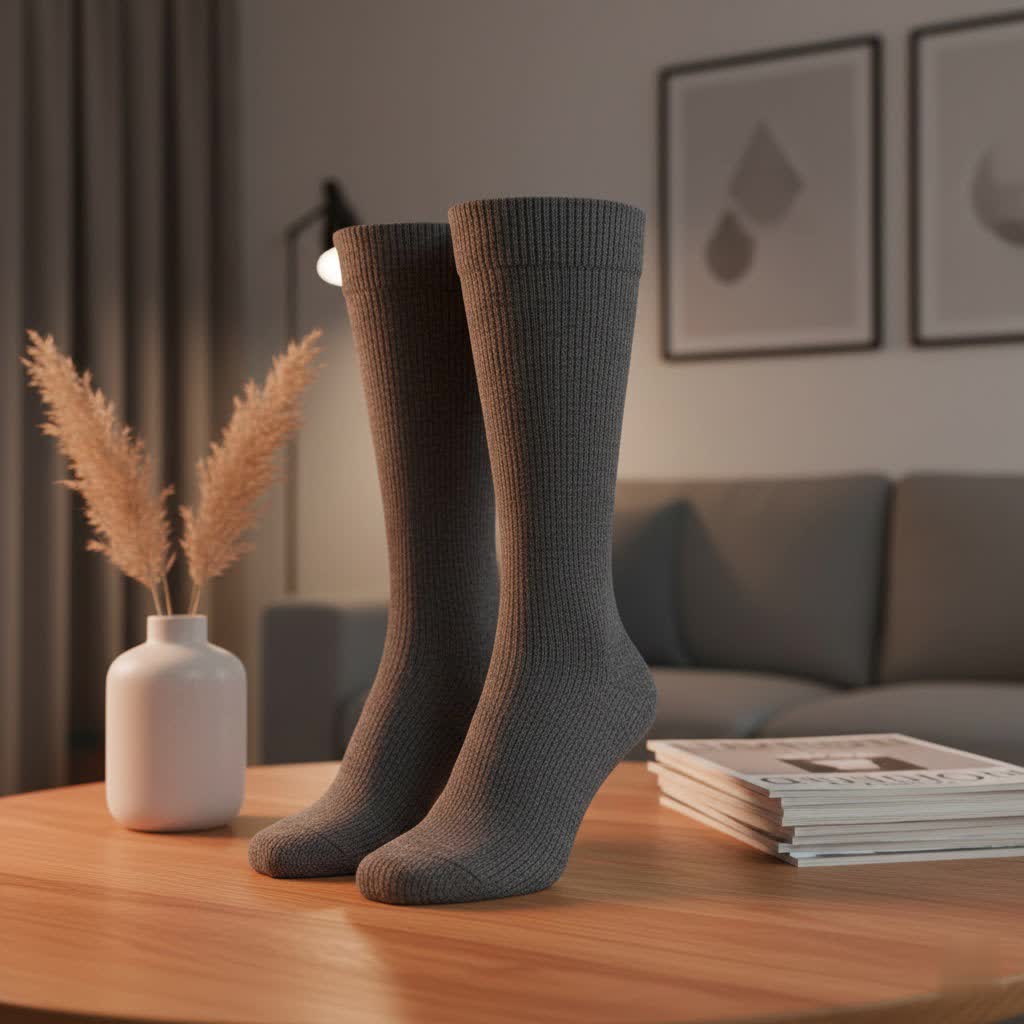
Compression socks are specially designed garments that apply graduated pressure to your legs. This means the pressure is strongest at the ankle and gradually decreases as it moves up towards the knee or thigh. This unique design helps to gently squeeze your leg tissues and the walls of your veins, encouraging blood flow back towards your heart. Unlike regular socks, which offer minimal or uniform pressure, compression socks are engineered with specific medical and physiological benefits in mind. They come in various types, categorized primarily by their level of compression (measured in millimeters of mercury, mmHg), length, and the materials they’re made from.
The Unwelcome Truth: Why Do Leg Cramps Occur?
Leg cramps, those sudden and intense spasms in your calf, hamstring, or foot muscles, can stem from a variety of causes. Often, they are linked to issues with blood circulation. When blood doesn’t flow efficiently, waste products like lactic acid can accumulate in muscles, leading to irritation and cramping. Dehydration and electrolyte imbalances, such as low levels of potassium, magnesium, or calcium, also play a significant role as these minerals are crucial for proper muscle function. Muscle overuse or overexertion, especially during strenuous physical activity, can trigger cramps as muscles become fatigued. Conversely, prolonged periods of inactivity, like sitting or standing for extended hours, can also contribute to poor circulation and muscle stagnation, increasing the risk of cramps. Other factors include pregnancy, which increases pressure on leg veins, and underlying venous conditions like varicose veins, where blood pooling can lead to discomfort and spasms.
How Do Compression Socks Alleviate Leg Cramps?
Compression socks address the root causes of many leg cramps through several key mechanisms. Their primary function is to enhance blood circulation. By applying graduated pressure, they help to push deoxygenated blood and metabolic waste products out of your lower legs and back towards your heart, while simultaneously improving the delivery of oxygen-rich blood to your muscle tissues. This improved circulation reduces blood pooling, a common culprit behind swelling and discomfort that can contribute to cramps.
Furthermore, compression socks provide essential muscle support and stability. They gently hug your calf muscles, reducing muscle vibration during activity and offering a sense of containment. This stabilization can decrease muscle fatigue and soreness, particularly after exercise, thereby lowering the likelihood of cramps induced by overexertion. By mitigating swelling and supporting proper blood flow, these socks help create an environment where muscles are less prone to spasm and can recover more efficiently.
Who Can Benefit from Compression Socks for Leg Cramps?
Many individuals can find relief from leg cramps by incorporating compression socks into their routine. Athletes, from runners to weightlifters, often use them for muscle support during workouts and to aid in faster recovery by reducing delayed onset muscle soreness (DOMS) and preventing cramps. People whose jobs require long hours of standing or sitting, such as nurses, retail workers, or office professionals, experience reduced fatigue, swelling, and cramping due to improved circulation. Pregnant women frequently suffer from leg cramps and swelling, making compression socks a valuable tool for comfort and venous support. Long-distance travelers, particularly on flights, can benefit from them to prevent blood pooling and reduce the risk of deep vein thrombosis (DVT) and associated leg discomfort. Additionally, individuals dealing with mild to moderate venous insufficiency, varicose veins, or general poor circulation can find significant relief from the discomfort and cramping these conditions often cause.
Choosing the Right Compression Socks for Cramp Relief
Selecting the ideal pair of compression socks is crucial for maximizing their effectiveness against leg cramps.
Compression Levels (mmHg): This is perhaps the most important factor.
- Mild Compression (8-15 mmHg): Suitable for minor aches, fatigue, and preventing mild swelling. Great for daily wear if you stand or sit for extended periods.
- Moderate Compression (15-20 mmHg): A popular choice for everyday wear, travel, athletic recovery, and managing minor varicose veins or leg swelling. Many first-time users start here.
- Firm Compression (20-30 mmHg): Often recommended for more pronounced swelling, moderate varicose veins, post-surgical recovery, and by athletes for intense support and recovery. Consult a doctor if you’re new to this level.
- Higher Compression (30-40 mmHg and above): Typically prescribed by a doctor for specific medical conditions like severe edema, DVT, or chronic venous insufficiency.
Length: Knee-high socks are the most common and effective for addressing calf and lower leg cramps. Thigh-high or pantyhose styles are available for issues affecting the entire leg or for specific medical needs.
Material: Look for breathable, moisture-wicking fabrics that offer comfort and durability. Common materials include:
- Nylon and Spandex: Offer excellent elasticity and compression.
- Cotton blends: Provide softness and breathability.
- Merino Wool: Known for its temperature-regulating and moisture-wicking properties, ideal for various climates.
Fit: A proper fit is paramount. Socks that are too tight can cut off circulation, while those too loose won’t provide adequate compression. Always measure your ankle and calf circumference (and sometimes thigh, depending on length) according to the brand’s sizing chart. It’s often best to measure in the morning when swelling is minimal.
Consult a Healthcare Professional: If you experience severe, persistent, or worsening leg cramps, or have underlying medical conditions, always consult your doctor before using compression socks. They can recommend the appropriate compression level and type for your specific needs.
Comparing Compression Sock Types for Leg Cramp Relief
| Type of Compression Sock | Compression Level (mmHg) | Ideal Use Cases | Pros | Cons |
|---|---|---|---|---|
| Mild | 8-15 | Daily comfort, mild fatigue, prevention of slight swelling | Easy to wear, good for beginners, subtle support | Less effective for significant issues |
| Moderate | 15-20 | Travel, athletic recovery, prolonged standing/sitting, minor swelling/varicose veins | Versatile, noticeable relief, widely available | Can feel snug initially |
| Firm | 20-30 | Moderate varicose veins, post-surgical, significant swelling, intense athletic recovery | Strong support, highly effective for chronic issues and recovery | Harder to put on, may feel too tight for some, doctor consultation advised |
Wearing and Caring for Your Compression Socks
Proper usage and care will ensure your compression socks last longer and provide maximum benefit.
Wearing Correctly: Compression socks can be a bit challenging to put on due to their snug fit. The best technique involves turning the sock inside out down to the heel, slipping your foot in, then gradually rolling the sock up your leg, smoothing out any wrinkles. Avoid pulling from the top, as this can stretch the elastic. It’s often easiest to put them on first thing in the morning when your legs are least swollen.
Washing and Drying: To maintain their elasticity and effectiveness, hand wash your compression socks in cold water with a mild detergent, or machine wash on a delicate cycle in a mesh laundry bag. Avoid bleach and fabric softeners, as these can break down the fibers. Air dry them flat or hang them away from direct heat, as high heat can damage the elastic.
When to Wear: Most people wear compression socks during the day and take them off at night. However, if your cramps are primarily nocturnal, your doctor might suggest wearing a lighter compression level overnight. Do not wear them constantly without professional advice. Listen to your body; if they cause discomfort, remove them.
Top Picks: Brands Known for Leg Cramp Relief
When considering compression socks for leg cramp relief, several brands are frequently praised for their quality and effectiveness. Companies like Jobst, Mediven, and Sigvaris are renowned for their medical-grade compression hosiery. For athletic and everyday use, brands such as CEP, Comrad, Bombas, and Sockwell often receive high marks for comfort, durability, and graduated compression. These brands offer a range of styles, materials, and compression levels to suit different needs and preferences, helping you find a pair that effectively supports your legs and mitigates cramps.
Conclusion
Leg cramps can be a frustrating and painful part of life for many, but they don’t have to dictate your comfort or activity. Compression socks offer a straightforward and effective solution by actively improving blood circulation, reducing swelling, and providing vital muscle support. By understanding how these specialized socks work and carefully choosing the right compression level, length, and material, you can significantly reduce the frequency and intensity of leg cramps. Don’t let leg cramps hold you back any longer; consider embracing the supportive power of compression socks to keep your legs feeling energized and cramp-free. Are you ready to step into a life with less leg pain?
Frequently Asked Questions
Can compression socks help with nocturnal leg cramps?
|
Our Picks for the Best Compression Socks in 2026
As an Amazon Associate I earn from qualifying purchases.
|
||
| Num | Product | Action |
|---|---|---|
| 1 | MONFOOT Compression Socks for Men & Women, 15-20 mmHg (3 Pairs) - Best Circulation socks for Nurses, Athletic, Travel |

|
| 2 | CHARMKING Compression Socks for Women & Men Circulation (3 Pairs) 15-20 mmHg is Best Support for Athletic Running Cycling |
|
| 3 | CHARMKING Compression Socks for Women & Men Circulation (3 Pairs) 15-20 mmHg is Best Support for Athletic Running Cycling |
|
| 4 | CHARMKING Compression Socks for Women & Men Circulation (3 Pairs) 15-20 mmHg is Best Support for Athletic Running Cycling |
|
| 5 | FITRELL 3 Pairs Compression Socks for Women and Men 20-30mmHg-Circulation Support Socks |
|
| 6 | FITRELL 3 Pairs Compression Socks for Women and Men 20-30mmHg-Circulation Support Socks |
|
| 7 | CHARMKING Compression Socks for Women & Men Circulation (3 Pairs) 15-20 mmHg is Best Support for Athletic Running Cycling |
|
| 8 | FITRELL 3 Pairs Compression Socks for Women and Men 20-30mmHg-Circulation Support Socks |
|
| 9 | FITRELL 3 Pairs Compression Socks for Women and Men 20-30mmHg-Circulation Support Socks |
|
| 10 | CHARMKING Compression Socks for Women & Men Circulation (3 Pairs) 15-20 mmHg is Best Support for Athletic Running Cycling |
|
Yes, compression socks can be particularly helpful for nocturnal leg cramps by improving blood circulation throughout the day. This helps prevent fluid pooling and muscle fatigue that can contribute to spasms at night. Wearing them during the day may reduce the frequency and severity of nighttime cramps, allowing for more restful sleep.
What compression level should I start with for leg cramps?
For most individuals experiencing leg cramps, a moderate compression level of 15-20 mmHg is a good starting point. This level provides noticeable therapeutic benefits without being overly restrictive. If your cramps are mild, 8-15 mmHg might suffice, but it’s always wise to consult a healthcare professional for personalized advice, especially for higher compression levels.
