Do your legs often feel heavy, swollen, or tired by the end of the day? If you experience fluid retention, also known as edema, you’re not alone. This common condition can cause discomfort and impact your daily life, but there’s a simple, effective solution that many overlook: compression socks. These specialized garments are designed to gently support your circulatory system, helping to reduce swelling and bring lasting relief. This comprehensive guide will explore everything you need to know about compression socks for fluid retention, from how they work to choosing the perfect pair for your needs.
What Are Compression Socks?
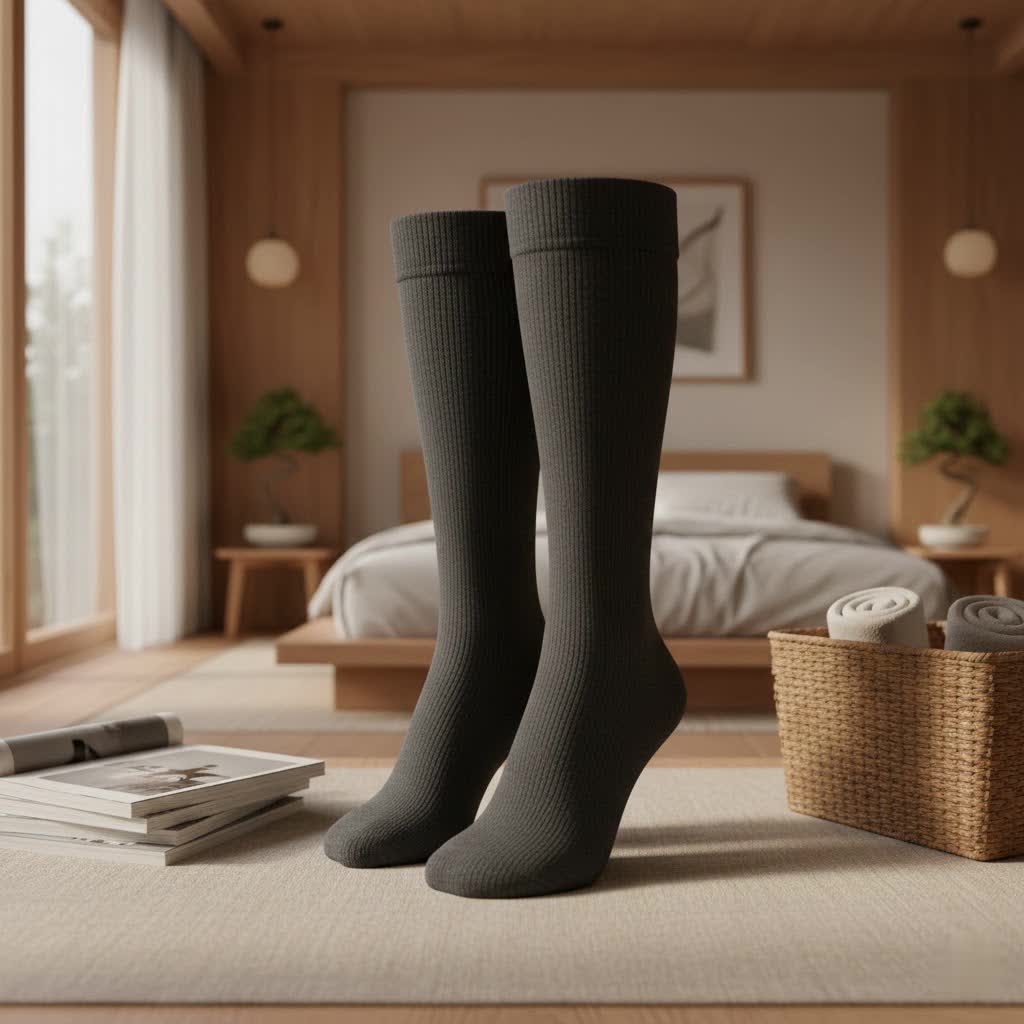
Compression socks are specially engineered garments that apply therapeutic pressure to your legs and ankles. Unlike regular socks, they feature a graduated compression design, meaning the pressure is strongest at the ankle and gradually decreases as it moves up the leg. This strategic pressure gradient is crucial for supporting your body’s natural fluid dynamics and circulation. They come in various lengths, from knee-high to thigh-high, and are made from a range of materials designed for comfort and durability.
Understanding Fluid Retention (Edema)
Fluid retention, medically termed edema, occurs when excess fluid builds up in your body’s tissues, most commonly affecting the feet, ankles, and legs. This can lead to visible swelling, skin that feels tight or shiny, a sensation of heaviness, and sometimes even mild pain or stiffness in the affected joints.
Several factors can contribute to edema. Standing or sitting for prolonged periods allows gravity to pull fluid downwards, causing it to pool in the lower extremities. Pregnancy is a common cause, as the growing uterus can put pressure on blood vessels. Underlying health conditions such as venous insufficiency (when veins struggle to return blood to the heart), heart failure, kidney disease, or liver problems can also manifest as fluid retention. Other causes include deep vein thrombosis (DVT), certain medications, a high-salt diet, acute injury, or issues with the lymphatic system (lymphedema). Recognizing the signs and potential causes of edema is the first step toward finding effective relief.
The Science Behind Compression Socks for Fluid Retention
The magic of compression socks lies in their graduated pressure design, which actively assists your body’s circulatory and lymphatic systems. When you wear them, the gentle squeezing action helps to narrow the veins in your legs, which in turn increases the velocity of blood flow back towards your heart. This counteracts the effects of gravity, preventing blood and other fluids from pooling in your lower legs and feet.
Beyond simply pushing blood, compression socks also play a vital role in encouraging lymphatic drainage. The lymphatic system is responsible for removing excess fluid and waste products from your tissues. By applying external pressure, these socks stimulate lymphatic vessels, prompting them to move fluid more efficiently out of swollen areas. This “pumping effect” is incredibly effective at reducing fluid accumulation, alleviating discomfort, and supporting overall vascular health.
Key Benefits of Using Compression Socks
Incorporating compression socks into your daily routine offers a wealth of benefits for managing fluid retention and enhancing leg health.
- Reduce Swelling (Edema): The most direct benefit, compression socks prevent fluid from accumulating in the tissues, significantly reducing swelling in the ankles, feet, and legs.
- Improve Blood Circulation: By narrowing veins and assisting blood flow, they enhance the return of oxygenated blood to the heart, promoting healthier circulation throughout your lower extremities.
- Alleviate Discomfort and Pain: Many users report a significant reduction in feelings of heaviness, aching, throbbing, and fatigue that often accompany swollen legs. This leads to greater comfort and improved mobility.
- Prevent Fluid Accumulation: Consistent wear helps to maintain fluid balance, actively preventing the recurrence of swelling, especially for those who spend long hours on their feet or seated.
- Support Recovery: Athletes often use compression socks to speed up muscle recovery after strenuous activity, reducing soreness and aiding in rehabilitation by minimizing post-exercise swelling.
- Reduce Risk of Venous Conditions: Improved circulation helps prevent the development of conditions like varicose veins, chronic venous insufficiency (CVI), and deep vein thrombosis (DVT), which are often exacerbated by poor blood flow.
- Enhance Lymphatic Drainage: The gentle pressure stimulates the lymphatic system, facilitating the removal of interstitial fluid and waste, which is crucial for managing lymphedema and general fluid balance.
Who Can Benefit from Compression Socks?
Compression socks are a versatile tool that can provide relief and support to a wide range of individuals dealing with or at risk of fluid retention.
- Individuals with Edema: Anyone experiencing chronic or occasional swelling in their legs, ankles, or feet due to fluid buildup.
- People Who Stand or Sit for Long Periods: Occupations requiring prolonged standing (nurses, teachers, retail workers) or sitting (office workers, drivers) can lead to fluid pooling.
- Pregnant Individuals: Pregnancy often causes increased pressure on veins and hormonal changes that contribute to leg swelling.
- Athletes and Active Individuals: For enhanced performance during exercise and accelerated recovery afterward, by reducing muscle soreness and swelling.
- Frequent Travelers: Long flights or car rides can increase the risk of “economy class syndrome” and DVT due to immobility and reduced circulation.
- Individuals with Venous Disorders: Those managing conditions like varicose veins, chronic venous insufficiency, or who are at risk of deep vein thrombosis benefit from circulatory support.
- Post-Surgery Patients: To reduce swelling and prevent blood clots during recovery.
Classifying Compression Socks: Types and Levels
Choosing the right compression sock depends on the severity of your fluid retention, your lifestyle, and any underlying medical conditions. They are primarily classified by their compression level and length.
Compression Levels (Measured in mmHg)
Compression levels are measured in millimeters of mercury (mmHg) and indicate the amount of pressure the sock applies.
- Mild (8-15 mmHg):
- Description: Provides light support.
- Ideal for: Minor leg fatigue, slight swelling, preventive care for long periods of sitting or standing, and general comfort.
- Moderate (15-20 mmHg):
- Description: Offers a noticeable level of compression.
- Ideal for: Moderate edema, varicose veins, discomfort from prolonged standing or sitting, and athletic recovery. This is a common starting point for many.
- Firm (20-30 mmHg):
- Description: Provides significant pressure.
- Ideal for: More significant swelling, chronic venous insufficiency, post-surgical recovery, and preventing DVT. Often recommended by healthcare professionals.
- Extra Firm (30-40 mmHg):
- Description: Delivers very strong compression.
- Ideal for: Severe edema, lymphedema, severe venous insufficiency, and managing more serious medical conditions. Typically prescribed and monitored by a doctor.
|
Our Picks for the Best Compression Socks in 2026
As an Amazon Associate I earn from qualifying purchases.
|
||
| Num | Product | Action |
|---|---|---|
| 1 | FITRELL 3 Pairs Compression Socks for Women and Men 20-30mmHg-Circulation Support Socks |

|
| 2 | FITRELL 3 Pairs Compression Socks for Women and Men 20-30mmHg-Circulation Support Socks |
|
| 3 | FITRELL 3 Pairs Compression Socks for Women and Men 20-30mmHg-Circulation Support Socks |
|
| 4 | CHARMKING Compression Socks for Women & Men Circulation (3 Pairs) 15-20 mmHg is Best Support for Athletic Running Cycling |
|
| 5 | MONFOOT Compression Socks for Men & Women, 15-20 mmHg (3 Pairs) - Best Circulation socks for Nurses, Athletic, Travel |
|
| 6 | CHARMKING Compression Socks for Women & Men Circulation (3 Pairs) 15-20 mmHg is Best Support for Athletic Running Cycling |
|
| 7 | CHARMKING Compression Socks for Women & Men Circulation (3 Pairs) 15-20 mmHg is Best Support for Athletic Running Cycling |
|
| 8 | CHARMKING Compression Socks for Women & Men Circulation (3 Pairs) 15-20 mmHg is Best Support for Athletic Running Cycling |
|
| 9 | FITRELL 3 Pairs Compression Socks for Women and Men 20-30mmHg-Circulation Support Socks |
|
| 10 | CHARMKING Compression Socks for Women & Men Circulation (3 Pairs) 15-20 mmHg is Best Support for Athletic Running Cycling |
|
Length and Style
Compression socks come in various lengths to target specific areas of fluid retention.
- Knee-High: The most common length, extending just below the knee. Effective for swelling in the feet, ankles, and calves.
- Thigh-High: Extends up to the thigh. Provides support for swelling that reaches above the calf or for conditions affecting the upper leg.
- Full-Length (Pantyhose/Waist-High): Covers the entire leg and extends to the waist. Ideal for comprehensive support, especially for pregnant individuals or those with extensive venous issues.
Materials
The material of compression socks impacts comfort, breathability, and durability. Common options include:
- Cotton: Known for softness and breathability.
- Nylon/Spandex Blends: Provide excellent elasticity and durability, offering a snug fit.
- Merino Wool/Bamboo Blends: Offer natural moisture-wicking properties, temperature regulation, and antimicrobial benefits, enhancing comfort for extended wear.
How to Choose the Right Compression Socks
Selecting the perfect pair of compression socks is crucial for both effectiveness and comfort.
- Determine Your Purpose: Are you preventing mild swelling, managing chronic edema, or supporting athletic recovery? Your primary goal will guide your choices.
- Consult a Healthcare Professional: Especially if you have a medical condition, severe swelling, or are unsure, a doctor can recommend the appropriate compression level (mmHg) and length for your specific needs.
- Measure Accurately: This is perhaps the most critical step. Measure your legs in the morning when swelling is typically minimal. Key measurements include the circumference of your ankle (at the narrowest point), calf (at the widest point), and thigh (if applicable), as well as the length from your heel to the desired sock height. Most brands provide detailed sizing charts.
- Choose the Right Compression Level: Follow your doctor’s recommendations. If self-selecting for mild issues, starting with 15-20 mmHg is often suitable.
- Consider Material and Comfort: Opt for breathable, moisture-wicking fabrics that feel comfortable against your skin, especially if you plan to wear them all day.
- Style and Lifestyle: Choose a style (knee-high, thigh-high) and color that fits your daily activities and personal preference.
Top Picks: Notable Brands and Features
When exploring compression socks, several reputable brands consistently receive positive feedback for quality and effectiveness. While specific recommendations vary based on individual needs, brands like Jobst, Mediven, CEP, and Sigvaris are recognized for their medical-grade compression stockings, often prescribed for significant conditions. For more general wellness and moderate compression, brands like Comrad and Sockwell offer stylish, comfortable options made with materials like bamboo or Merino wool that prioritize breathability and all-day wear. Orthofeet also provides options, often focusing on milder compression for daily relief. Always review customer feedback regarding quality, durability, and effectiveness to help make an informed decision.
Proper Usage and Care for Longevity
To get the most out of your compression socks and ensure their effectiveness, proper usage and care are essential.
How to Wear Compression Socks Correctly
- Timing is Key: Put your compression socks on first thing in the morning, ideally before you even get out of bed. This is when your legs have the least amount of swelling.
- Technique: Turn the sock inside out to the heel, slip your foot in, then gradually roll the sock up your leg, smoothing out any wrinkles as you go. Rubber gloves can provide a better grip. Donning aids are also available if you find them difficult to put on.
- Smooth out Wrinkles: Ensure the sock is smooth and free of wrinkles, as wrinkles can create uneven pressure and potentially irritate your skin.
- Wear Consistently: For maximum benefit, wear them throughout the day and remove them before you go to bed or shower.
How to Care for Your Compression Socks
- Wash Regularly: Follow the manufacturer’s washing instructions carefully. Most recommend hand washing or machine washing on a gentle cycle with mild detergent in cold water.
- Avoid Harsh Chemicals: Do not use bleach, fabric softeners, or harsh detergents, as these can damage the elastic fibers.
- Air Dry: Air drying is usually recommended to preserve the elasticity and lifespan of the socks. Avoid high heat from dryers, which can degrade the material.
- Replace Periodically: Compression socks lose their elasticity over time. Most manufacturers recommend replacing them every three to six months to ensure they maintain their therapeutic compression level.
Conclusion
Fluid retention can be a persistent and uncomfortable issue, but compression socks offer a practical, non-invasive, and highly effective solution. By applying graduated pressure, they work synergistically with your body to enhance circulation, prevent fluid pooling, and significantly reduce swelling and discomfort. Whether you’re navigating pregnancy, an active lifestyle, long travel, or managing a chronic condition, the right pair of compression socks can bring much-needed relief and improve your overall leg health. Taking the time to choose the correct compression level, size, and material, and adhering to proper wear and care instructions, will ensure you experience the full benefits. Isn’t it time to give your legs the support they deserve?
