Waking up with a sharp, stabbing pain in your heel can turn the simplest act of walking into a daunting challenge. This common agony, known as plantar fasciitis, affects millions, often making the first steps of the day or movement after rest a dreaded experience. If you’re constantly searching for relief from persistent heel and arch discomfort, compression socks for plantar fasciitis might be the simple yet powerful solution you’ve been overlooking. These specialized socks are designed not just for comfort, but to actively support your foot’s healing process, reduce inflammation, and improve circulation, offering a path toward pain-free movement.
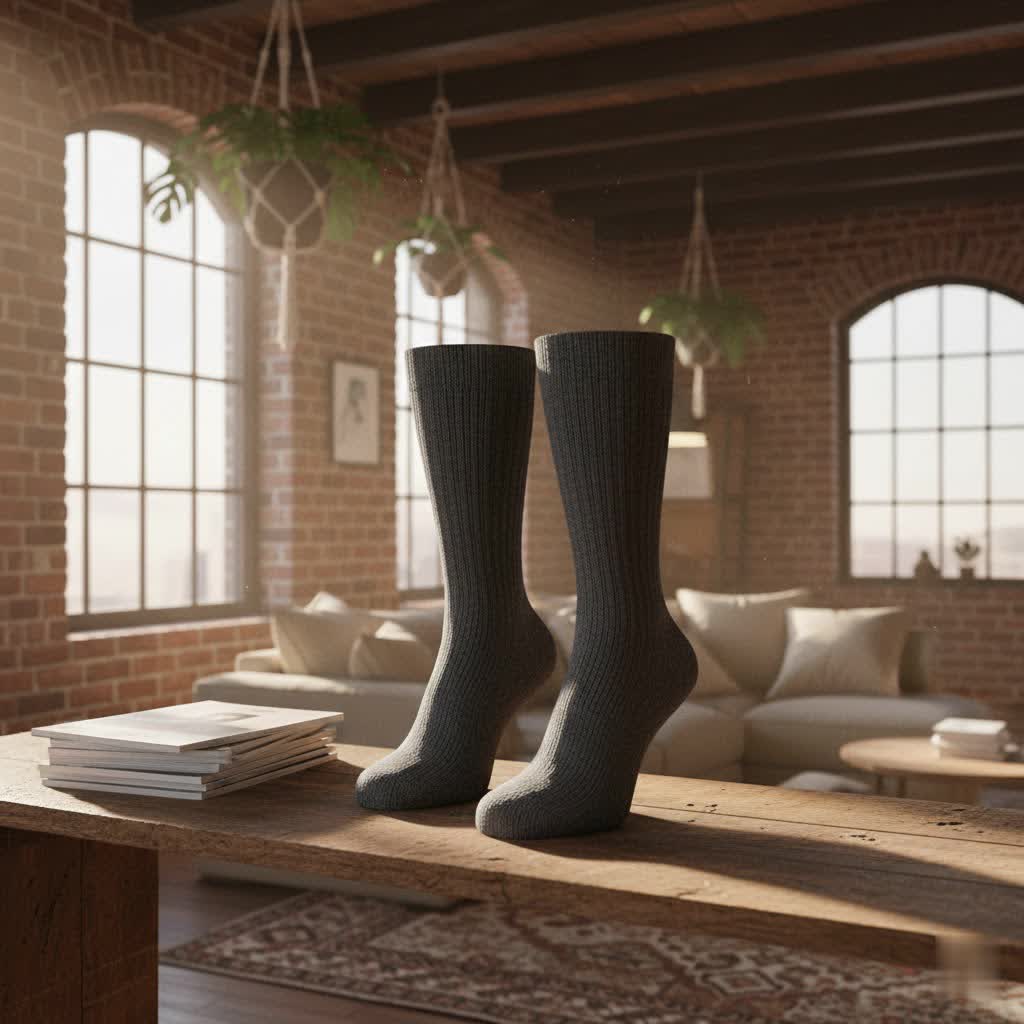
What Are Compression Socks and How Do They Help Plantar Fasciitis?
Compression socks are elastic garments engineered to apply gentle pressure to your legs and feet, a mechanism that significantly aids in managing plantar fasciitis. Plantar fasciitis itself is an inflammation of the plantar fascia, a thick band of tissue running along the bottom of your foot, connecting your heel bone to your toes. This inflammation typically results from excessive strain due to factors like overuse, improper footwear, prolonged standing, or increased physical activity.
For individuals suffering from this condition, compression socks work by delivering targeted support and improving physiological functions in the foot. They enhance blood flow, reduce swelling, and provide crucial support to the arch, which collectively eases pain and promotes recovery. Unlike regular socks, their strategic design offers consistent, graduated pressure, which is vital for effective symptom management.
Types of Compression Socks for Plantar Fasciitis
While all compression socks aim to provide pressure, those specifically designed for plantar fasciitis often fall into a few categories based on their design and the type of compression they offer:
- Graduated Compression Socks: These socks are tighter around the ankle and gradually decrease in compression as they extend up the calf. This design encourages blood flow back towards the heart, reducing fluid pooling and swelling in the feet and lower legs. They are excellent for overall circulation improvement and reducing fatigue.
- Plantar Fasciitis Foot Sleeves: These typically cover the foot and sometimes extend just above the ankle. They focus on delivering targeted compression directly to the arch and heel, providing immediate support to the plantar fascia. This can help maintain a slight stretch in the fascia, reducing morning pain and pain during activity.
- Full-Length Compression Socks: These can combine the benefits of graduated compression up the calf with targeted arch support. They are ideal for individuals needing comprehensive support for both their foot condition and general leg circulation.
|
Our Picks for the Best Compression Socks in 2026
As an Amazon Associate I earn from qualifying purchases.
|
||
| Num | Product | Action |
|---|---|---|
| 1 | FITRELL 3 Pairs Compression Socks for Women and Men 20-30mmHg-Circulation Support Socks |

|
| 2 | MONFOOT Compression Socks for Men & Women, 15-20 mmHg (3 Pairs) - Best Circulation socks for Nurses, Athletic, Travel |
|
| 3 | CHARMKING Compression Socks for Women & Men Circulation (3 Pairs) 15-20 mmHg is Best Support for Athletic Running Cycling |
|
| 4 | CHARMKING Compression Socks for Women & Men Circulation (3 Pairs) 15-20 mmHg is Best Support for Athletic Running Cycling |
|
| 5 | FITRELL 3 Pairs Compression Socks for Women and Men 20-30mmHg-Circulation Support Socks |
|
| 6 | CHARMKING Compression Socks for Women & Men Circulation (3 Pairs) 15-20 mmHg is Best Support for Athletic Running Cycling |
|
| 7 | FITRELL 3 Pairs Compression Socks for Women and Men 20-30mmHg-Circulation Support Socks |
|
| 8 | CHARMKING Compression Socks for Women & Men Circulation (3 Pairs) 15-20 mmHg is Best Support for Athletic Running Cycling |
|
| 9 | FITRELL 3 Pairs Compression Socks for Women and Men 20-30mmHg-Circulation Support Socks |
|
| 10 | CHARMKING Compression Socks for Women & Men Circulation (3 Pairs) 15-20 mmHg is Best Support for Athletic Running Cycling |
|
Key Benefits of Compression Socks for Plantar Fasciitis
The gentle yet firm pressure provided by compression socks translates into several significant advantages for those battling plantar fasciitis:
- Improved Blood Circulation: Compression socks boost blood flow to the affected area, ensuring oxygen-rich blood and essential nutrients reach the damaged tissues. This improved circulation also helps remove metabolic waste and acidic fluids that can hinder healing and increase pain.
- Reduced Swelling and Inflammation: By applying gentle pressure, these socks help to minimize fluid retention in the foot and ankle, which is a common symptom of inflammation. Less swelling directly translates to less discomfort and pain.
- Enhanced Arch Support: Many compression socks for plantar fasciitis feature targeted arch compression, which provides continuous support to the plantar fascia. This support helps to stabilize the foot and reduce the strain on the inflamed ligament, making movements less painful.
- Pain Relief: Through a combination of improved circulation, reduced inflammation, and mechanical support, compression socks can significantly alleviate the sharp heel pain associated with plantar fasciitis. They can be particularly effective in mitigating the intense “first-step pain” in the morning.
- Faster Recovery and Healing: By optimizing the environment for healing—through better circulation and reduced swelling—compression socks can expedite the recovery process of microtears in the plantar fascia. They also help prevent the accumulation of acidic fluid that can slow down tissue repair.
- Prevention of Recurrence: Consistent use of compression socks can help maintain foot health and prevent plantar fasciitis from recurring, especially for those prone to the condition due to their lifestyle or activities.
“Compression socks offer a non-invasive way to manage plantar fasciitis symptoms by addressing inflammation and providing mechanical support. Their role in improving circulation is key to aiding the body’s natural healing process.” – Dr. Eleanor Vance, Podiatric Specialist
Who Should Use Compression Socks for Plantar Fasciitis?
While beneficial for many, certain individuals will find compression socks particularly effective in their plantar fasciitis management:
- Individuals Experiencing Heel and Arch Pain: Anyone with diagnosed plantar fasciitis or persistent heel pain can benefit from the support and pain relief.
- Athletes and Active Individuals: Runners, hikers, and those engaged in high-impact sports often develop plantar fasciitis. Compression socks can aid performance, reduce muscle fatigue, and speed up recovery after workouts.
- People Who Stand or Sit for Prolonged Periods: Occupations that require long hours on your feet (e.g., nurses, teachers, retail workers) or extended sitting (leading to fluid pooling) can exacerbate plantar fasciitis symptoms. Compression socks help maintain healthy circulation.
- Individuals with Other Foot Issues: While primarily for plantar fasciitis, the circulatory benefits can also assist with general foot and ankle swelling or fatigue.
- Those Seeking Morning Pain Relief: Wearing compression socks overnight can help keep the plantar fascia gently stretched, reducing the severity of that painful first step out of bed.
Choosing the Right Compression Socks for Plantar Fasciitis: A Buying Guide
Selecting the ideal compression socks for your plantar fasciitis involves considering several factors to ensure comfort, effectiveness, and durability.
1. Determine Your Purpose of Use
Are you looking for support during daily activities, intense workouts, or overnight relief?
- Daily Wear: Focus on comfort, breathability, and moderate compression for all-day support.
- Athletic Use: Look for features like moisture-wicking materials, targeted cushioning, and higher compression levels for performance and recovery.
- Nighttime Wear: Foot sleeves or socks with lighter, consistent compression can be beneficial to prevent morning pain.
2. Measure Your Foot and Ankle Accurately
Proper sizing is crucial. Socks that are too tight can restrict circulation, while those too loose won’t provide adequate compression.
- Measure your ankle circumference at the narrowest point and your calf circumference at the widest point (for graduated compression socks).
- It’s often recommended to measure in the morning when swelling is minimal.
- Refer to the manufacturer’s sizing chart, as sizes can vary significantly between brands. The sock should feel snug but never cause numbness, tingling, or discomfort.
3. Select the Appropriate Compression Level (mmHg)
Compression levels are measured in millimeters of mercury (mmHg).
- Mild Compression (8-15 mmHg): Suitable for mild discomfort, minor swelling, or general fatigue.
- Moderate Compression (15-20 mmHg): The most common range for everyday wear and mild to moderate plantar fasciitis symptoms. Good for standing long hours or travel.
- Firm Compression (20-30 mmHg): Often recommended for more severe plantar fasciitis, post-activity recovery, or as advised by a medical professional. Provides stronger support.
- Extra Firm Compression (30-40 mmHg+): Typically medical-grade and used for severe conditions under a doctor’s supervision.
4. Consider Material and Features
The fabric composition and specific design elements play a big role in comfort and functionality.
- Materials: Look for breathable, moisture-wicking fabrics like merino wool, nylon, or spandex blends. These help keep your feet dry and prevent odors.
- Arch Support: Many socks designed for plantar fasciitis offer extra compression or cushioning around the arch.
- Seamless Toe: A seamless toe design can prevent irritation and pressure points.
- Cushioning: Extra padding in the heel and ball of the foot can enhance comfort.
- Durability: Reinforced heel and toe areas improve the lifespan of the socks.
- Pull Tabs: Some designs include tabs to make putting on and taking off the socks easier.
5. Consult a Healthcare Professional
If you have underlying medical conditions (like diabetes or circulatory issues) or severe plantar fasciitis, always consult your doctor or a podiatrist before using compression socks. They can recommend the appropriate compression level and type for your specific needs.
Bảng So Sánh Các Loại Vớ Nén (Comparison Table – Translated to English)
| Type of Sock | Compression (mmHg) | Length | Material | Pros | Cons | Price Range (USD) |
|---|---|---|---|---|---|---|
| Ankle Sleeve | 15-30 | Ankle | Nylon, Spandex | Targeted arch/heel support, subtle | Less calf support | $15 – $35 |
| Crew Sock | 15-20, 20-30 | To mid-calf | Cotton, Nylon, Spandex, Merino Wool | General leg circulation, arch support | May be too warm for some activities | $20 – $50 |
| Knee-High Sock | 15-20, 20-30 | Below the knee | Nylon, Spandex, Merino Wool | Max circulation benefits, calf support | Can be harder to put on/take off | $30 – $70 |
| Toeless Sock | 15-20, 20-30 | Ankle or Calf | Nylon, Spandex | Good for open-toe shoes, breathability | Less toe protection | $18 – $40 |
Top Picks – Reputable Brands for Compression Socks
When considering compression socks for plantar fasciitis, several brands have established a strong reputation for quality, design, and effectiveness. While individual preferences vary, these brands are frequently recommended for their targeted support and comfort:
- OrthoSleeve: Known for their specific PF socks (like the FS6), which offer targeted compression zones for the arch and heel, often recommended by podiatrists.
- SB SOX: Popular for their plantar fasciitis compression socks and sleeves, often lauded for their balance of compression and comfort.
- Physix Gear Sport: Offers durable, graduated compression socks suitable for athletes and daily wear, with good pressure levels for heel and arch pain.
- Bombas: Known for comfortable, everyday socks, their compression line offers good arch support and quality materials.
- Sockwell: Combines therapeutic compression with attractive designs and merino wool blends for comfort and moisture-wicking.
- CEP: A favorite among athletes, offering medical-grade compression for performance, recovery, and conditions like plantar fasciitis.
- OS1st: Similar to OrthoSleeve, they focus on orthopedic compression sleeves and socks for various foot conditions, including PF.
When evaluating these or other brands, consider reading user reviews, checking their specific features for plantar fasciitis, and ensuring they offer the correct compression level and sizing for your needs.
How to Use and Care for Your Compression Socks
To maximize the benefits and lifespan of your compression socks, proper usage and care are essential.
How to Wear Compression Socks
- Preparation: Ensure your feet are clean and dry. Avoid lotions or oils that can make the socks difficult to put on.
- Gather the Sock: Roll the sock down to the heel, creating a pouch for your foot.
- Position Your Foot: Insert your foot into the sock, making sure your heel is correctly seated in the heel pocket.
- Gradually Pull Up: Gently pull the sock up your leg, smoothing out any wrinkles as you go. Do not yank the sock, as this can damage the fibers and alter the compression. Ensure the sock lies flat against your skin.
When to Wear Them
You can wear compression socks for plantar fasciitis at various times:
- During the day: Especially if you stand or walk a lot.
- During physical activity: For enhanced performance and reduced fatigue.
- After activity: To aid muscle recovery and reduce swelling.
- Overnight: Many find relief from morning pain by wearing them while sleeping, as they keep the plantar fascia gently stretched.
How to Care for Compression Socks
Most compression socks require delicate care to maintain their elastic properties and effectiveness.
- Hand Wash: Ideally, hand wash in cool or lukewarm water with a mild detergent.
- Machine Wash (Delicate): If machine washing, use a delicate cycle with cold water and place them in a mesh laundry bag to prevent snagging.
- Avoid Bleach and Fabric Softeners: These can damage the elastic fibers.
- Air Dry: Lay them flat or hang them to air dry. Avoid direct heat from dryers, as high temperatures can break down the elastic.
- Replace Regularly: Compression socks eventually lose their elasticity. Depending on frequency of use and care, they typically need to be replaced every 3-6 months.
Important Considerations
- Listen to Your Body: If you experience any numbness, tingling, or increased pain, remove the socks immediately and consult a healthcare professional.
- Not a Cure: Compression socks are an excellent management tool but are not a standalone cure for plantar fasciitis. Combine them with rest, stretching, proper footwear, and possibly other treatments recommended by your doctor.
Conclusion
Plantar fasciitis can be a debilitating condition, but effective management is within reach. Compression socks offer a straightforward, non-invasive method to alleviate pain, reduce inflammation, and enhance the healing process by improving circulation and providing crucial arch support. By choosing the right type, ensuring a proper fit, and adhering to care guidelines, you can significantly reduce your discomfort and regain mobility. Don’t let heel pain dictate your life; explore the benefits of compression socks and step towards a more comfortable, active future.
Could a simple pair of socks be the key to unlocking your path to pain-free movement?
Frequently Asked Questions (Frequently Asked Questions – Translated to English)
Can I wear compression socks for plantar fasciitis all day?
Yes, most moderate compression socks (15-20 mmHg) designed for plantar fasciitis can be worn all day, especially if you spend long hours on your feet. However, it’s always best to follow manufacturer guidelines and consult your doctor for personalized advice.
Are compression socks the same as plantar fasciitis night splints?
No, compression socks are not the same as night splints. While both aim to relieve morning pain by keeping the plantar fascia stretched, night splints are rigid braces that hold the foot in a dorsiflexed position, providing a more aggressive stretch. Compression socks offer a gentler, continuous compression and support.
What compression level is best for plantar fasciitis?
For most cases of plantar fasciitis, a moderate compression level of 15-30 mmHg is recommended. Socks in the 15-20 mmHg range are good for daily wear and mild symptoms, while 20-30 mmHg can be beneficial for more severe pain or active recovery.
Can compression socks cure plantar fasciitis?
Compression socks are a highly effective tool for managing the symptoms and aiding the healing process of plantar fasciitis, but they are not a standalone cure. They work best as part of a comprehensive treatment plan that includes rest, stretching, proper footwear, and potentially other medical interventions.
Should I wear compression socks to bed for plantar fasciitis?
Many individuals find significant relief from morning plantar fasciitis pain by wearing compression socks or foot sleeves to bed. They help prevent the plantar fascia from shortening overnight, reducing the painful stretch during the first steps of the day.
How long does it take for compression socks to help plantar fasciitis?
The timeframe for experiencing relief can vary. Some people feel immediate comfort and reduced pain, while for others, it may take a few days or weeks of consistent use to notice significant improvement in their plantar fasciitis symptoms. Consistent wear is key to long-term benefits.
