Finding the perfect compression socks can be a game-changer for leg health, but for those with wider calves, the search often comes with unique challenges. Standard compression socks, designed for average calf circumferences, can feel uncomfortably tight, roll down, or restrict blood flow rather than improve it. This often leaves individuals with wider calves feeling frustrated and unable to reap the significant benefits of compression therapy. This comprehensive guide is dedicated to helping you navigate the world of wide calf compression socks, ensuring you find a pair that offers both exceptional comfort and effective support for your specific needs.
What Are Compression Socks?
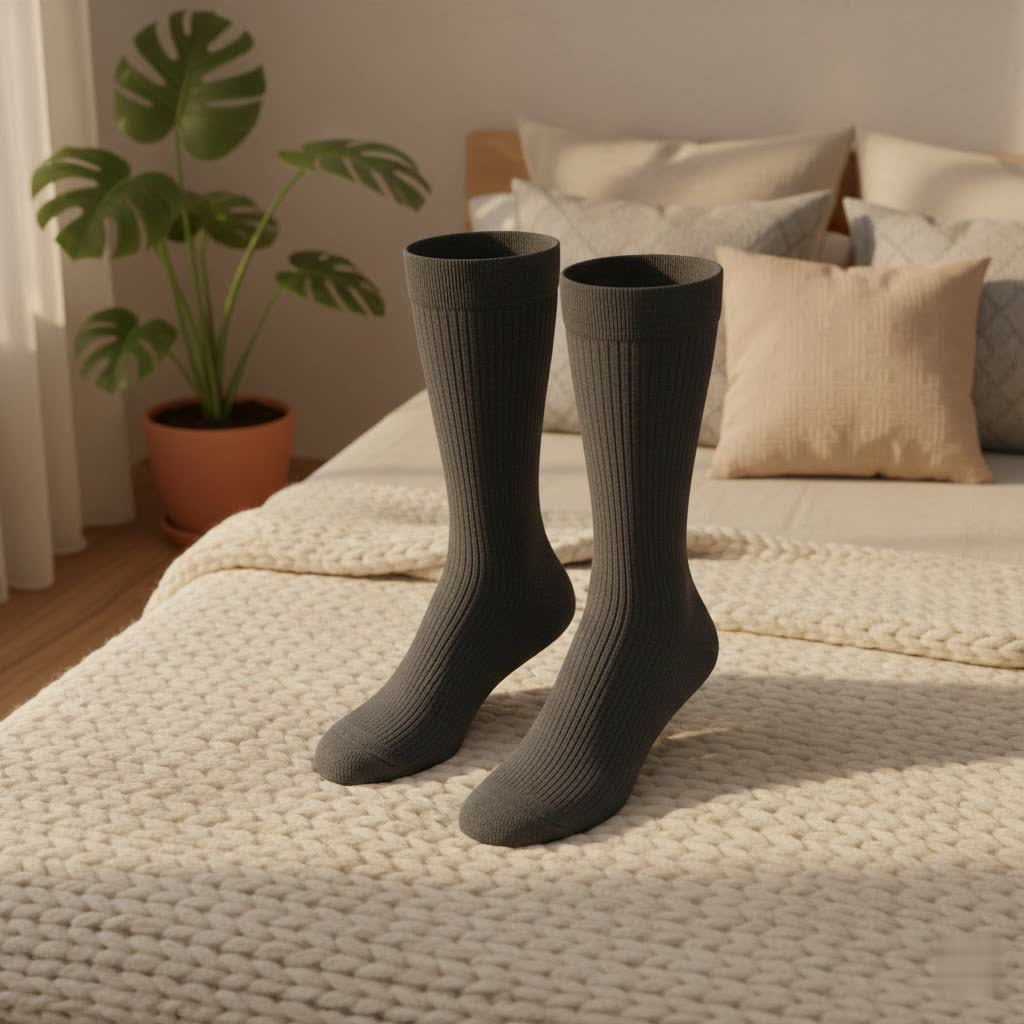
Compression socks are specialized garments designed to apply graduated pressure to your legs. This means the pressure is tightest around the ankle and gradually lessens up the leg. This gentle squeezing action helps to counteract gravity and improve blood circulation by assisting blood flow back towards the heart, preventing it from pooling in the lower extremities.
For individuals with wide calves, the “one-size-fits-all” approach simply doesn’t work. Wide calf compression socks are specifically engineered with a more generous circumference to ensure a proper, comfortable fit without compromising the therapeutic benefits. They offer the same core functionality as regular compression socks but are tailored to accommodate larger calf measurements, typically exceeding 18 inches (46 centimeters) in circumference.
Common types of compression socks vary by their compression level, length, and material:
- Compression Levels (mmHg): Measured in millimeters of mercury, these indicate the pressure exerted.
- Mild (8-15 mmHg): Light support for minor fatigue or swelling.
- Moderate (15-20 mmHg): Most common for daily wear, travel, and mild to moderate swelling.
- Firm (20-30 mmHg): Often recommended for medical conditions like varicose veins, DVT prevention, and post-surgery recovery.
- Extra Firm (30-40+ mmHg): Typically medically prescribed for severe conditions.
- Length:
- Knee-high: The most common length, extending just below the knee.
- Thigh-high: Extends up to the thigh.
- Pantyhose/Tights: Covers the entire leg and hip area.
- Materials: Common options include nylon, spandex, cotton, wool blends (like Merino wool), and bamboo, chosen for properties like breathability, moisture-wicking, and durability.
Benefits of Wide Calf Compression Socks
The advantages of incorporating wide calf compression socks into your daily routine are substantial, offering both immediate relief and long-term health improvements. They are designed to support your circulatory system effectively, even with a larger calf circumference.
- Improved Blood Circulation: By applying graduated pressure, these socks help push deoxygenated blood upwards towards the heart, reducing the workload on your veins and enhancing overall circulatory efficiency. This is crucial in preventing blood from pooling in the ankles and feet.
- Reduced Swelling and Edema: One of the most noticeable benefits is the reduction of fluid retention in the lower legs and ankles. The compression helps prevent excess fluid leakage from capillaries and encourages lymphatic drainage, leading to less swelling and discomfort.
- Support for Varicose Veins and Spider Veins: For individuals prone to or suffering from varicose veins, compression socks can provide significant relief. They help manage the symptoms and can prevent the worsening of these conditions by supporting weakened vein walls and improving blood flow.
- Alleviation of Leg Fatigue and Aches: Whether you stand for long hours, sit for extended periods, or engage in strenuous physical activity, compression socks can significantly reduce feelings of heaviness, soreness, and fatigue in your legs. They aid in removing metabolic waste products like lactic acid from muscles more quickly.
- Faster Recovery After Exercise: Athletes with wider calves can benefit from enhanced post-workout recovery. By boosting circulation, compression socks help deliver essential nutrients to fatigued muscles and accelerate the removal of waste, leading to quicker recuperation.
- Prevention of Deep Vein Thrombosis (DVT): Especially important during long flights, car rides, or periods of immobility, firm compression socks can reduce the risk of DVT by maintaining consistent blood flow and preventing the formation of dangerous blood clots.
Who Should Use Wide Calf Compression Socks?
Wide calf compression socks offer essential support for a diverse group of individuals who struggle with finding a proper fit in standard sizes. These specialized socks cater to anyone whose calf circumference exceeds the typical range, ensuring they receive the full benefits of compression therapy without discomfort or constriction.
- Individuals with Naturally Larger Calves: Many people simply have a genetic predisposition to wider calves, making regular compression socks a painful squeeze. Wide calf options provide a comfortable, effective solution.
- People Who Stand or Sit for Extended Periods: Professionals like nurses, teachers, retail workers, and office workers often experience leg fatigue, swelling, and discomfort due to prolonged static positions. Wide calf compression socks can provide much-needed support throughout the day.
- Athletes and Fitness Enthusiasts: Runners, hikers, and other athletes, particularly those with muscular or wider calves, can use these socks for improved performance, reduced muscle soreness, and accelerated recovery.
- Pregnant Individuals: Pregnancy often leads to increased blood volume and pressure on leg veins, resulting in significant leg and ankle swelling (edema) and an increased risk of varicose veins. Wide calf compression socks offer gentle, accommodating support to alleviate these symptoms.
- Individuals with Medical Conditions: Those managing conditions like lymphedema, venous insufficiency, diabetes, or post-thrombotic syndrome often require compression therapy. Wide calf options ensure that this crucial medical support is accessible and comfortable.
- Travelers: Long flights or road trips can lead to swollen legs and a higher risk of DVT. Wide calf compression socks provide vital circulatory support for comfortable and safer journeys.
Classification of Compression Socks
Compression socks are categorized primarily by their level of compression, length, and the materials used in their construction. Understanding these classifications helps in choosing the most appropriate type for your specific needs, particularly when considering wide calf options.
By Compression Level (mmHg)
The pressure exerted by compression socks is measured in millimeters of mercury (mmHg) and dictates their therapeutic effectiveness.
- Mild Compression (8-15 mmHg): These offer light support, ideal for preventing minor leg fatigue or slight swelling, often associated with long periods of sitting or standing.
- Moderate Compression (15-20 mmHg): The most common level, suitable for daily wear, travel, and managing mild to moderate swelling, varicose veins, or during pregnancy. Many wide calf options are available at this level, providing comfort without being overly restrictive.
- Firm Compression (20-30 mmHg): This level offers stronger support and is frequently recommended for more significant medical conditions such as moderate to severe varicose veins, post-surgical recovery, or DVT prevention. It’s crucial for wide calf users to ensure a precise fit at this level to avoid discomfort or harm.
- Extra-Firm Compression (30-40+ mmHg): These are typically prescribed by a doctor for serious medical conditions like severe edema, lymphedema, or chronic venous insufficiency.
|
Our Picks for the Best Compression Socks in 2026
As an Amazon Associate I earn from qualifying purchases.
|
||
| Num | Product | Action |
|---|---|---|
| 1 | CHARMKING Compression Socks for Women & Men Circulation (3 Pairs) 15-20 mmHg is Best Support for Athletic Running Cycling |

|
| 2 | CHARMKING Compression Socks for Women & Men Circulation (3 Pairs) 15-20 mmHg is Best Support for Athletic Running Cycling |
|
| 3 | FITRELL 3 Pairs Compression Socks for Women and Men 20-30mmHg-Circulation Support Socks |
|
| 4 | CHARMKING Compression Socks for Women & Men Circulation (3 Pairs) 15-20 mmHg is Best Support for Athletic Running Cycling |
|
| 5 | CHARMKING Compression Socks for Women & Men Circulation (3 Pairs) 15-20 mmHg is Best Support for Athletic Running Cycling |
|
| 6 | MONFOOT Compression Socks for Men & Women, 15-20 mmHg (3 Pairs) - Best Circulation socks for Nurses, Athletic, Travel |
|
| 7 | FITRELL 3 Pairs Compression Socks for Women and Men 20-30mmHg-Circulation Support Socks |
|
| 8 | FITRELL 3 Pairs Compression Socks for Women and Men 20-30mmHg-Circulation Support Socks |
|
| 9 | CHARMKING Compression Socks for Women & Men Circulation (3 Pairs) 15-20 mmHg is Best Support for Athletic Running Cycling |
|
| 10 | FITRELL 3 Pairs Compression Socks for Women and Men 20-30mmHg-Circulation Support Socks |
|
By Length
The length of the sock determines the area of the leg that receives compression.
- Knee-High: The most popular style, reaching just below the knee. They are effective for most common leg and ankle swelling issues and are available in numerous wide calf designs.
- Thigh-High: Extending up to the thigh, these are used when compression is needed higher up the leg, such as for thigh-level varicose veins or post-thrombotic syndrome affecting the upper leg.
- Pantyhose/Tights: These cover the entire leg and hip area, offering comprehensive compression for conditions affecting the full leg or for maternity wear.
By Material
The fabric choice impacts comfort, breathability, and durability.
- Cotton: Known for its softness and breathability, cotton blends are comfortable for everyday wear.
- Nylon/Spandex: These synthetic blends offer excellent elasticity and durability, crucial for maintaining compression over time. They are often moisture-wicking.
- Wool (e.g., Merino Wool): Offers natural temperature regulation, moisture-wicking properties, and odor resistance, making them popular for athletes and those seeking comfort in varying climates.
- Bamboo: A soft, breathable, and often eco-friendly option that can be very comfortable and stretchy, aiding in easier donning and doffing, particularly beneficial for wide calf users.
Comparison Table of Compression Socks Types for Wide Calves
When selecting wide calf compression socks, it’s helpful to compare different types based on their specific features and intended use. This table highlights common variations that are important for individuals with larger calves.
| Type of Sock | Compression (mmHg) | Length | Material Blend | Wide Calf Fit Features | Ideal Use Case | Pros | Cons |
|---|---|---|---|---|---|---|---|
| Daily Wear Knee-High | 15-20 | Knee-High | Cotton/Nylon/Spandex | Generous calf circumference (up to 24 inches), non-binding top band | Everyday comfort, travel, mild swelling, standing professions | Comfortable, breathable, good for long hours | May not be sufficient for severe conditions |
| Athletic/Recovery | 20-30 | Knee-High | Nylon/Spandex/Moisture-wicking | Enhanced stretch, specific calf sizing, seamless toe | Running, intense workouts, post-exercise recovery | Boosts performance, reduces muscle soreness, durable | Can be tighter to put on, often higher price point |
| Medical Grade (Firm) | 20-30 | Knee-High/Thigh-High | Nylon/Spandex/Specialty Fibers | Bariatric sizes, 4XL+ options for very large calves & ankles, fitted heel/toe | Varicose veins, DVT prevention, post-surgery, chronic swelling | Highly effective for medical needs, strong support | Can be challenging to don/doff, less fashion variety |
| Maternity/Pregnancy | 15-20, 20-30 | Knee-High/Pantyhose | Soft, stretchy blends (e.g., bamboo, specific cotton blends) | Accommodates fluctuating calf sizes, extra stretchy top bands | Pregnancy-related swelling, DVT prevention in pregnancy | Adapts to body changes, comfortable for sensitive skin | May need to size up as pregnancy progresses |
| Therapeutic (Specialty) | 12-14 | Knee-High | Coolmax, Merino Wool, Bamboo | Designed for specific calf circumferences (e.g., up to 22-30 inches), extra-wide options | Specific professional needs (nurses), temperature regulation | Moisture-wicking, odor control, specialized comfort | Compression level might be lower than medical grade |
How to Choose the Right Wide Calf Compression Socks (Buying Guide)
Selecting the ideal pair of wide calf compression socks requires careful consideration to ensure both comfort and therapeutic effectiveness. A poorly fitting sock, even if it’s “wide calf,” won’t deliver the intended benefits.
-
Determine Your Purpose:
- Daily Wear/Travel: Look for moderate compression (15-20 mmHg) for comfort and mild support.
- Exercise/Recovery: Athletes often prefer 20-30 mmHg for performance and faster recuperation.
- Medical Conditions (Varicose Veins, Edema, DVT Prevention): A physician will typically recommend 20-30 mmHg or higher. Always consult your doctor for medical conditions.
- Pregnancy: Moderate compression (15-20 mmHg) is commonly advised to reduce swelling and improve circulation.
-
Measure Your Legs Accurately: This is the most critical step for wide calf compression socks. Measurements should be taken early in the morning when swelling is minimal, against bare skin, with your foot flat on the floor and leg at a right angle. [cite: How To Measure For Compression Socks – Find The Right Size For You – Dr. Segal’s, 1]
- Ankle Circumference: Measure at the narrowest part, just above the ankle bone. This is often the most important measurement for ensuring proper graduated compression.
- Calf Circumference: Measure at the widest part of your calf. This measurement directly determines if you need a wide calf size, which typically starts for calf circumferences above 17-18 inches. Some brands offer options for calves up to 24 inches or even 40 inches.
- Leg Length: Measure from the floor to just below the knee crease for knee-high socks. Ensure the sock band sits two finger-widths below the knee crease to avoid restricting circulation.
- Shoe Size: While less critical than circumference, it helps to confirm the overall fit.
-
Consult Sizing Charts: Every brand’s sizing can differ significantly. Always refer to the specific brand’s sizing chart and compare your measurements to their recommendations. If you’re borderline between sizes, some recommend trying the standard calf size first if it’s close to the lower end of wide calf, or sizing up if you prefer a looser fit. However, generally, if your calf is firmly in the wide-calf category, buying a larger standard size might make the foot too loose.
-
Choose Appropriate Materials: Consider breathability, moisture-wicking properties, and comfort. Blends with spandex offer good stretch and recovery, while merino wool or bamboo provide natural comfort and temperature regulation.
-
Seek Medical Advice (If Necessary): If you have underlying medical conditions, it’s always best to consult a doctor or a vascular specialist. They can recommend the appropriate compression level and style for your health needs.
Top Picks – Reviewing Leading Wide Calf Compression Sock Brands
The market for wide calf compression socks has expanded significantly, offering more choices than ever for those who need a generous fit without sacrificing therapeutic benefits. Here are some highly-regarded brands known for their wide calf offerings:
- Wellow Wide Calf Compression Socks: Praised for offering some of the widest calf circumferences (up to 22 inches, stretching to 19 inches, according to one brand claim), bold colors, and a medium-firm compression level (18-25 mmHg). They are also noted for being warm, thick, breathable, sweat-wicking, and antimicrobial.
- Comrad Compression Socks: While their “CloudCotton” socks are noted for being easy to put on and having good cushioning and a dual-layer cuff to prevent slipping, their regular compression socks also offer large calf circumference options, second only to Wellow. They provide moderate compression (15-20 mmHg) and are well-liked for travel, nursing, and pregnancy.
- PRO Compression: Highly rated among runners, this brand has introduced wide-calf options that provide significant support to critical muscles. Users note they can be a bit challenging to put on but are very comfortable once worn. [cite: Top 5 Best Compression Socks For Wide Calves – Alpha Sole]
- Viasox EasyStretch™ Socks: These socks are specifically designed for large calves, with some styles stretching up to 30 inches, ensuring no tightness or discomfort. They feature triple-padded cushioning and a non-binding stretchy top to eliminate sock marks.
- Duluth Trading Co. Stay-Put Performance Wide-Calf Compression Socks: Recommended for pregnancy, these socks are designed with a wider calf fit, offering comfort and flexibility that adapts to body changes. They provide moderate compression (15-20 mmHg) and are made from a polyester blend that feels soft like cotton but manages moisture effectively.
- Nurse Mates Extra Wide Calf Compression Socks: Offering 12-14 mmHg graduated compression, these socks are designed for active professionals. They fit calves up to 24 inches and feature a comfortable toe pocket, heel pocket, and a non-sliding welt top band.
- BAMS Plus Size Compression Socks: Known for accommodating calves up to 40 inches wide, these socks are made from soft, breathable bamboo fiber, making them easy to put on and take off. They offer a wide array of colors and designs.
“The right wide calf compression sock isn’t just about size; it’s about engineering that supports diverse anatomies without compromising the therapeutic gradient. It’s empowering to finally offer solutions that genuinely fit everyone.” – Dr. Elena Petrova, Vascular Health Specialist
How to Use and Care for Wide Calf Compression Socks
Proper usage and care are vital to maximize the benefits and extend the lifespan of your wide calf compression socks. These specialized garments require a bit more attention than regular socks.
How to Put On Wide Calf Compression Socks Correctly:
Putting on compression socks, especially higher compression levels or those for larger calves, can be tricky initially.
- Prepare Your Legs: Ensure your legs are dry and free of lotions or oils, as these can make donning difficult.
- Turn Inside Out (Partially): Reach inside the sock and grasp the heel pocket. Turn the sock inside out until you reach the heel, creating a small “pocket” for your foot.
- Foot First: Slide your foot into the foot portion of the sock, ensuring your heel is correctly seated in the heel pocket.
- Gradual Roll-Up: Gently roll and inch the sock up your leg, smoothing out any wrinkles as you go. Avoid pulling or tugging aggressively, as this can damage the fibers and alter the compression.
- Position Correctly: Ensure the sock is smooth, wrinkle-free, and positioned correctly below the knee, with the top band sitting two finger-widths below the knee crease. It should feel snug but not painful or excessively tight.
How to Take Off Wide Calf Compression Socks:
- Peel Down: Grasp the top band and gently peel the sock down your leg.
- Gather and Remove: Once gathered around your ankle, gently slide it off your foot.
Care and Maintenance:
- Daily Washing: Most manufacturers recommend washing compression socks daily to restore their elasticity and remove skin oils, which can degrade the fibers.
- Gentle Cycle/Hand Wash: Use a mild detergent and wash in cold or lukewarm water on a gentle cycle, or hand wash for best results. Avoid bleach, fabric softeners, and harsh chemicals, as they can break down elastic fibers.
- Air Dry: Lay flat or hang to air dry. Never put compression socks in a tumble dryer, as high heat can severely damage the elastic and reduce their effectiveness.
- Inspect Regularly: Check for any holes, tears, or signs of stretching and loss of compression. Replace socks when they no longer provide adequate support.
Important Usage Notes:
- Listen to Your Body: Compression socks should feel supportive and comfortable, not painful, tingly, or restrictive. If you experience numbness, increased pain, or deep red marks, your socks may be too tight or the wrong size.
- Wear Time: Follow your doctor’s recommendations for wear time, but generally, they are worn during the day and removed at night.
- No Bunching: Ensure there are no creases or bunching, especially behind the knee, as this can create tourniquet effects and hinder circulation.
Conclusion
Embracing wide calf compression socks can be a transformative step towards improved leg health and comfort for countless individuals. Gone are the days when a larger calf size meant sacrificing the incredible benefits of graduated compression. From enhancing circulation and reducing swelling to alleviating fatigue and supporting medical conditions like varicose veins, these specially designed socks offer a tailored solution that truly fits. By understanding the different types, carefully measuring for the right size, and adhering to proper care, you can unlock a new level of well-being for your legs.
Are you ready to experience the comfort and support that perfectly fitting compression socks can provide?
Frequently Asked Questions
What calf circumference is considered “wide calf” for compression socks?
While definitions can vary by brand, a calf circumference typically exceeding 17 to 18 inches (approximately 43 to 46 centimeters) at the widest point is generally considered to require wide calf compression socks. It’s crucial to measure your calf accurately and consult the specific brand’s sizing chart.
Can I just buy a bigger size of regular compression socks if I have wide calves?
No, simply buying a larger size of regular compression socks is generally not recommended. Standard socks are designed proportionally. A larger size might fit your calf but will likely be too loose in the foot and ankle, compromising the graduated compression and effectiveness, potentially leading to bunching or slipping.
What compression level is best for wide calf compression socks if I’m pregnant?
For most pregnant individuals, moderate compression (15-20 mmHg) is recommended to alleviate swelling and improve circulation. However, it is always best to consult your healthcare provider to determine the most appropriate compression level for your specific pregnancy needs and any underlying conditions.
How do I know if my wide calf compression socks fit correctly?
Properly fitting wide calf compression socks should feel snug and supportive but never painful, pinching, or restrictive. There should be no significant creases or bunching, especially behind the knee, and they should not leave deep indentations or cause numbness or tingling in your toes.
Are wide calf compression socks comfortable for all-day wear?
Yes, many wide calf compression socks are specifically designed for all-day comfort. Brands often use breathable, moisture-wicking materials and incorporate features like seamless toes and non-binding top bands to ensure they remain comfortable for extended periods of wear, whether you’re at work, traveling, or at home.
